How to Choose a Pickleball Paddle
Published How we research
Weight is the single most important variable: lighter paddles give quicker hands and control, heavier paddles add power and stability, and most players land happily in the mid range. Grip size matters too, since a grip that is too large fatigues the forearm and one too small lets the paddle twist. Polymer honeycomb cores are most common, with fiberglass, carbon fiber, or graphite surfaces shaping feel and spin, while shape and thickness fine-tune reach, sweet spot, and power. Match the paddle to your style and honest skill level rather than chasing the most expensive option. Choosing your first or next pickleball paddle can feel overwhelming because the wall of options all looks similar at a glance. The good news is that a handful of features do most of the work, and once you understand them you can shop with confidence. Think of the paddle as an extension of your hand: the right one should feel balanced, comfortable, and forgiving on the shots you play most often.
Products from this article
The highest-scoring picks from the buying guides this article links to. Scores are our editorial assessment, not customer ratings.
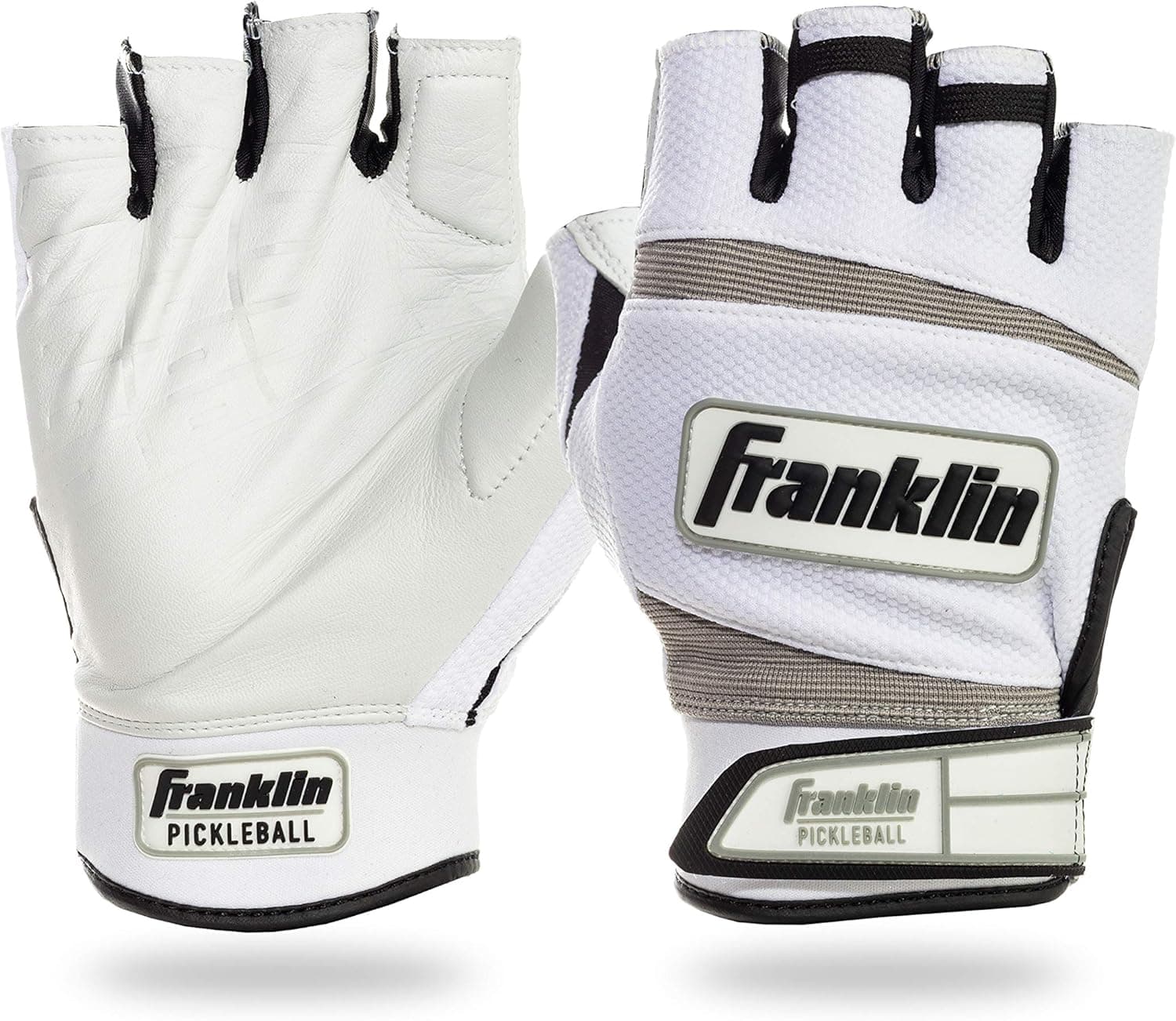
+ Right and left hand options suit players of either handedness
From our guide: Best Pickleball Gloves
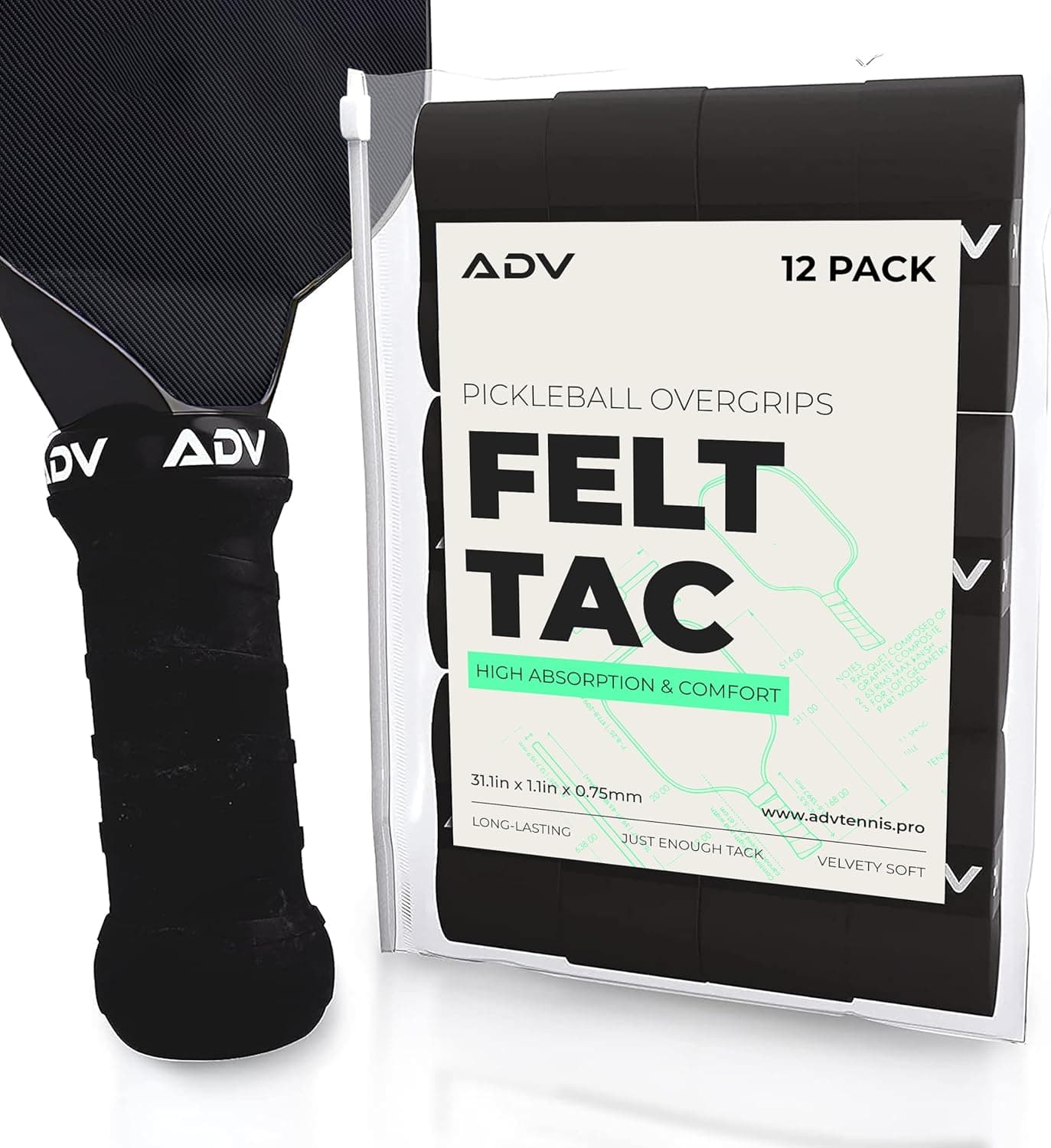
+ 12-pack is ideal for clubs, coaches or frequent re-grippers
From our guide: Best Pickleball Grip Tape
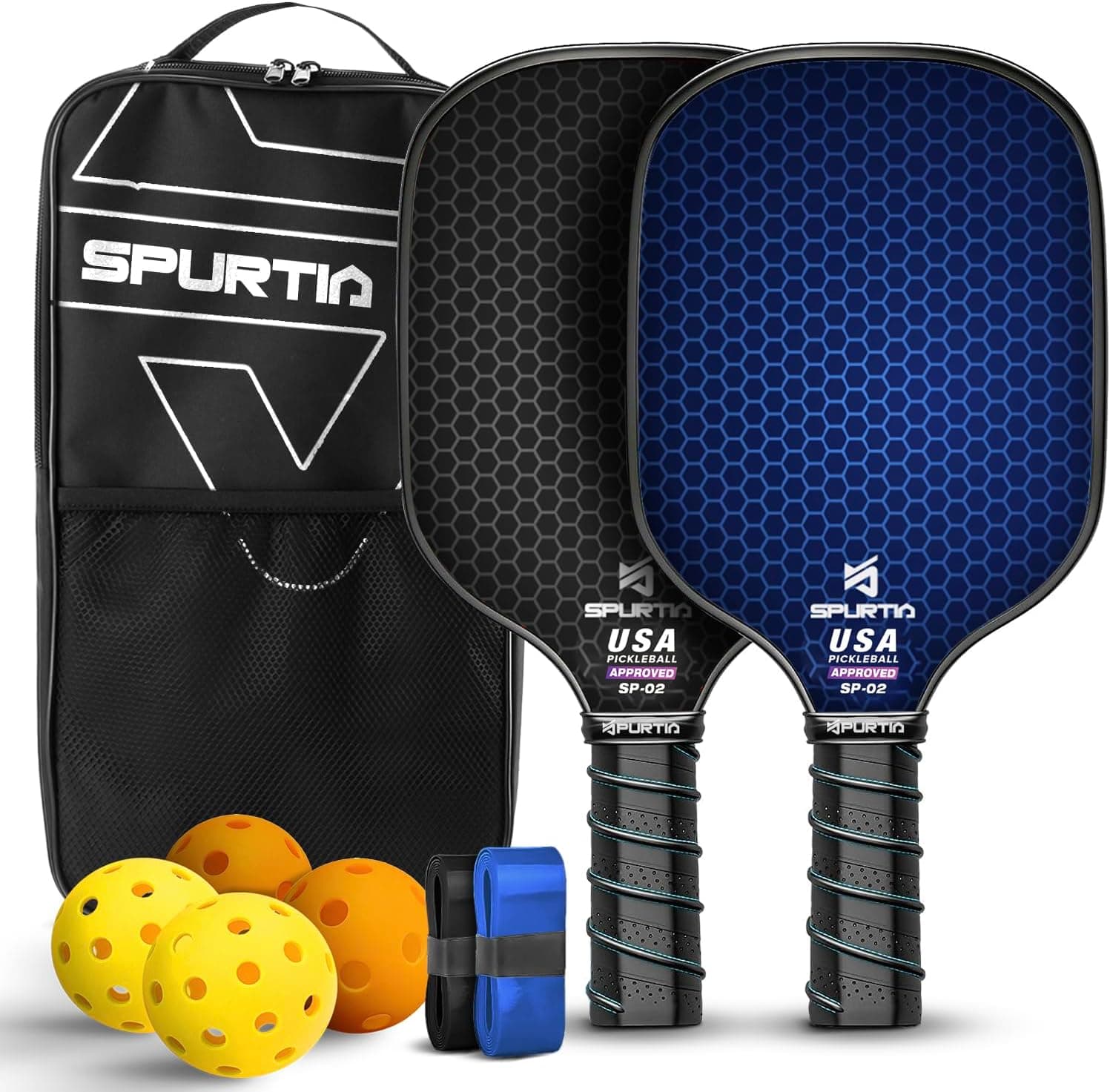
+ Two paddles, balls and a bag get a pair of players on court immediately
From our guide: Best Pickleball Paddles For Beginners
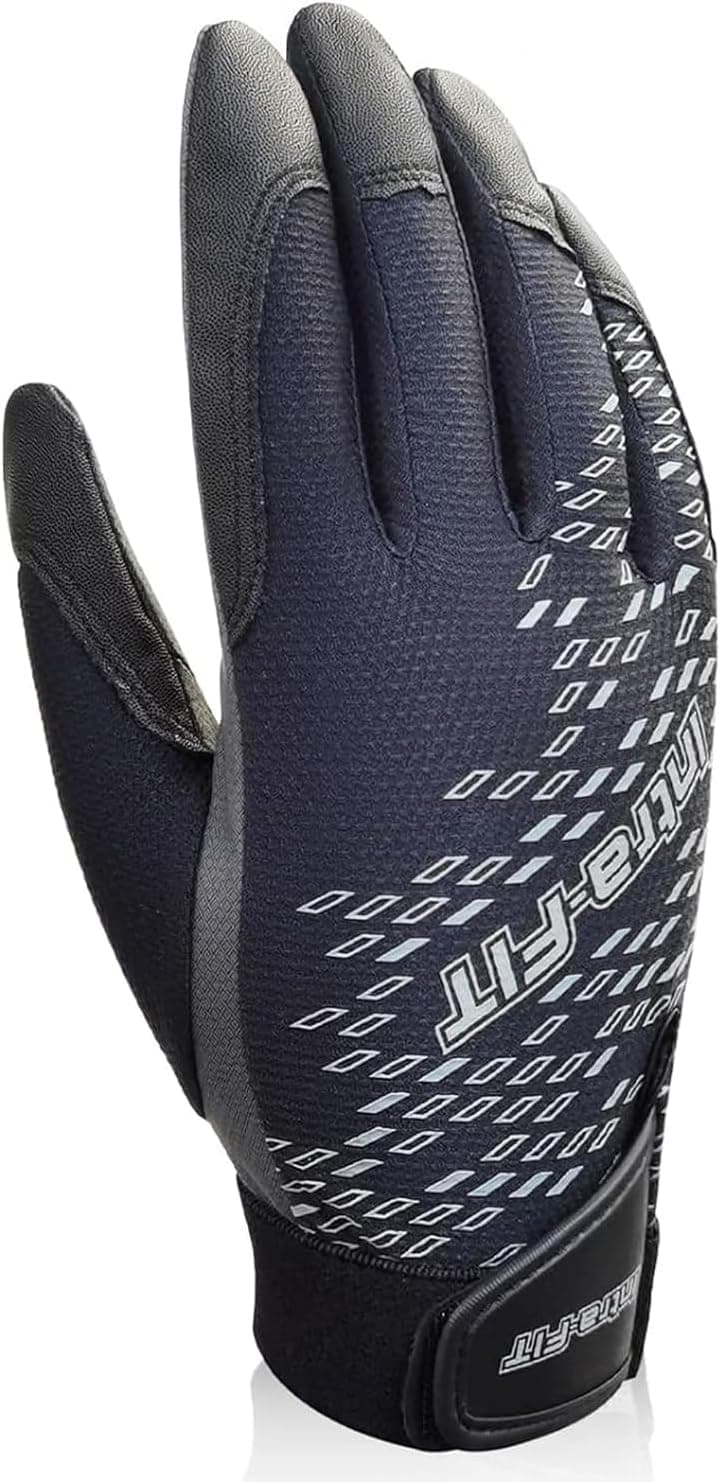
+ Quick-dry fabric recovers fast between games on humid days
From our guide: Best Pickleball Gloves
Weight is the single most important variable
Weight is the single most important variable. Lighter paddles, generally in the low range, give you quicker hands at the net and better control for dinks and resets, but you supply more of the power yourself. Heavier paddles deliver more punch and stability against hard drives, though they can tire your arm and slow your reaction time. Most players land happily in the mid range, which balances power and maneuverability. If you have any history of elbow or shoulder trouble, lean lighter.
Grip size matters more than people expect
Grip size matters more than people expect. A grip that is too large forces you to squeeze, which fatigues the forearm and can aggravate tennis elbow, while a grip that is too small lets the paddle twist on off-center hits. A quick test: hold the paddle and see if your index finger fits in the gap between your fingertips and palm. When in doubt, size down, since you can always build up a grip with an overgrip but you cannot shrink one.
Core and surface determine feel and performance
The core and surface determine how the paddle feels and performs. Polymer honeycomb cores are the most common today because they are quiet, soft, and control-friendly. Surfaces range from fiberglass, which adds pop and power, to carbon fiber and graphite, which offer a more consistent, textured feel that helps with spin and touch. A carbon face has become a favorite for players who want reliable control and grip on the ball.
Shape and thickness fine-tune the experience
Paddle shape and thickness fine-tune the experience. Longer, elongated paddles extend your reach and add power but shrink the sweet spot, rewarding cleaner contact. Wider classic shapes offer a larger, more forgiving sweet spot that beginners love. Thicker cores, around the higher end of the range, feel plush and control-oriented, while thinner cores feel poppier and more powerful.
Match the paddle to your style and level
Match the paddle to your style and honesty about your level. A brand-new player is best served by a forgiving, midweight, control-oriented paddle with a wide face rather than a pro-grade power paddle. Aggressive bangers who like to drive the ball will enjoy a firmer, poppier surface, while dinkers and strategists should prioritize touch and a soft core.
Set a realistic budget and demo if you can
Finally, set a realistic budget and remember that the most expensive paddle is not automatically the best one for you. Mid-priced paddles have improved enormously and serve most recreational players beautifully. If possible, demo a few before buying, because feel is personal. Buy the paddle that disappears in your hand and lets you focus on the game.
Frequently asked questions
What paddle weight is best for beginners? Most players land happily in the mid weight range, which balances power and maneuverability. Lean lighter if you have any history of elbow or shoulder trouble.
How do I know if a pickleball paddle grip is the right size? Hold the paddle and check whether your index finger fits in the gap between your fingertips and palm. When in doubt, size down, since you can build up a grip with an overgrip but cannot shrink one.
What paddle surface is best for control and spin? Carbon fiber and graphite surfaces offer a consistent, textured feel that helps with spin and touch, while fiberglass surfaces add more pop and power.
Is the most expensive pickleball paddle always the best choice? No. Mid-priced paddles have improved enormously and serve most recreational players well. Demo a few before buying since feel is personal.
Popular right now
- Pickleball Court Dimensions ChartArticle
- Indoor vs Outdoor Pickleball Balls ExplainedArticle
- Best Wooden Pickleball PaddlesBuying guide
- Two-bounce rule explainedGlossary
- Dink explainedGlossary
- How to Tell if Your Pickleball Paddle Is Dead or Worn OutArticle
Based on the last 28 days of search and visitor data.