Indoor vs Outdoor Pickleball Balls Explained
Published How we research
Indoor balls have larger, fewer holes (around 26) and are lighter and softer, suited to calm gym air and smooth floors. Outdoor balls have smaller, more numerous holes (around 40) and are heavier, harder, and denser to cut through wind and survive rough concrete or asphalt. This makes outdoor balls faster and firmer off the paddle while indoor balls travel slower and reward touch. Outdoor balls resist scuffing but turn brittle in cold weather; indoor balls last longer but can go soft or out of round. Always match the ball to the surface you're playing on, not just the roof overhead. New players often assume a pickleball is a pickleball, then feel baffled when a ball that played beautifully in the gym flies erratically outside, or cracks after a week on a cold court. Indoor and outdoor balls are genuinely different products, engineered for different surfaces and conditions, and using the wrong one makes the game frustrating. Understanding the differences helps you buy the right ball, play a more consistent game, and avoid blaming your paddle for problems the ball is causing.
Products from this article
The highest-scoring picks from the buying guides this article links to. Scores are our editorial assessment, not customer ratings.
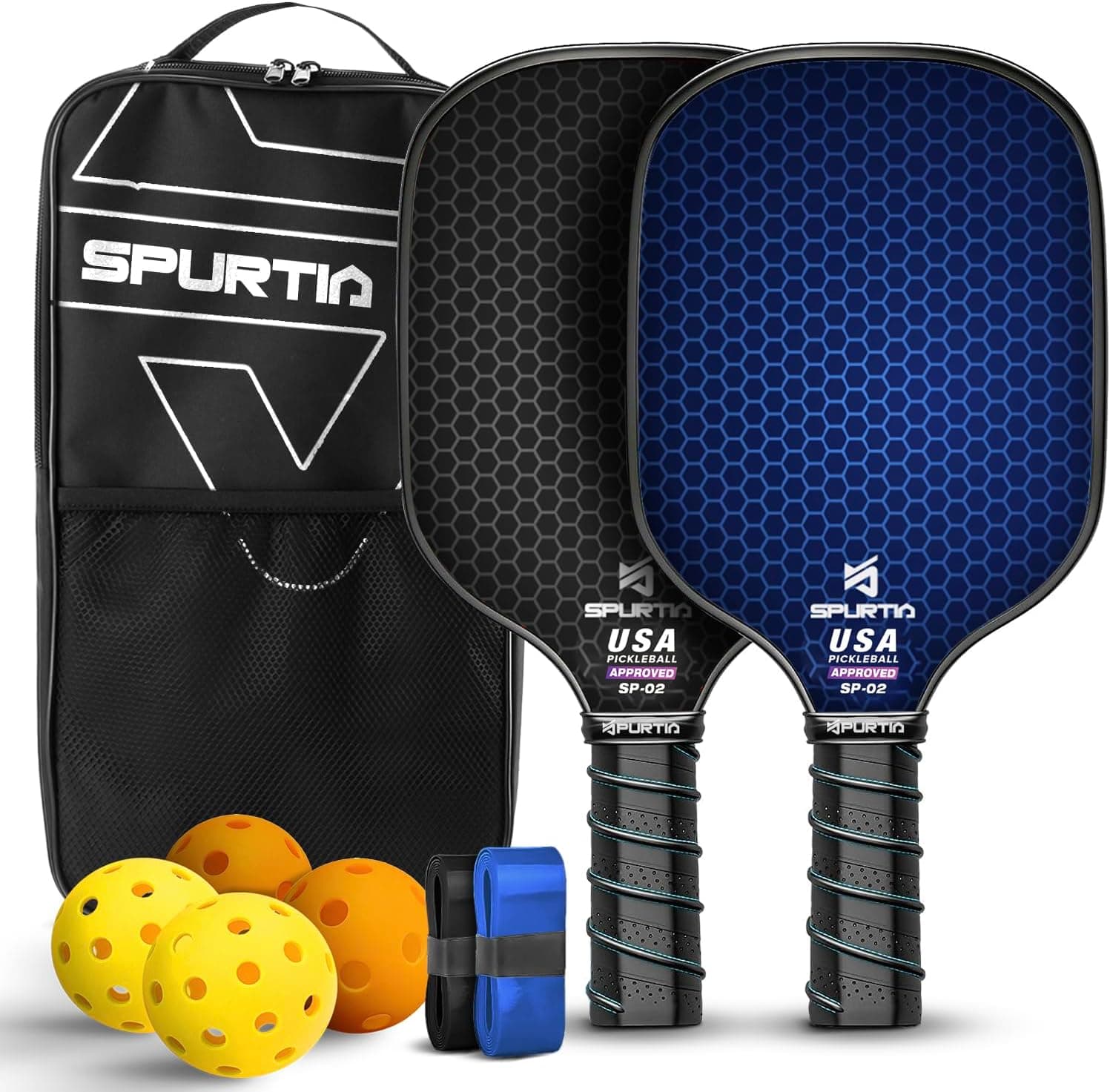
+ Two paddles, balls and a bag get a pair of players on court immediately
From our guide: Best Pickleball Paddles For Beginners
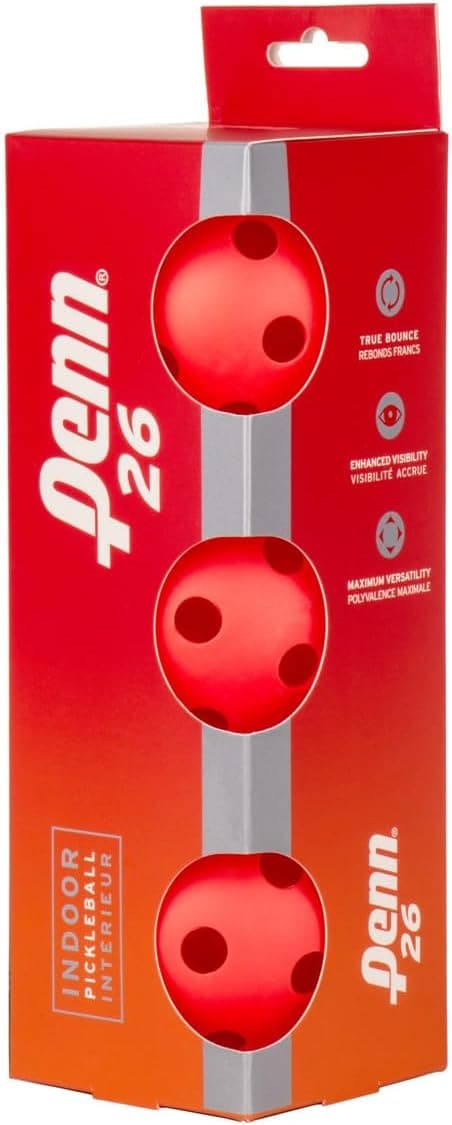
+ 100 ball count covers big programs and ball machines for months
From our guide: Best Indoor Pickleball Balls
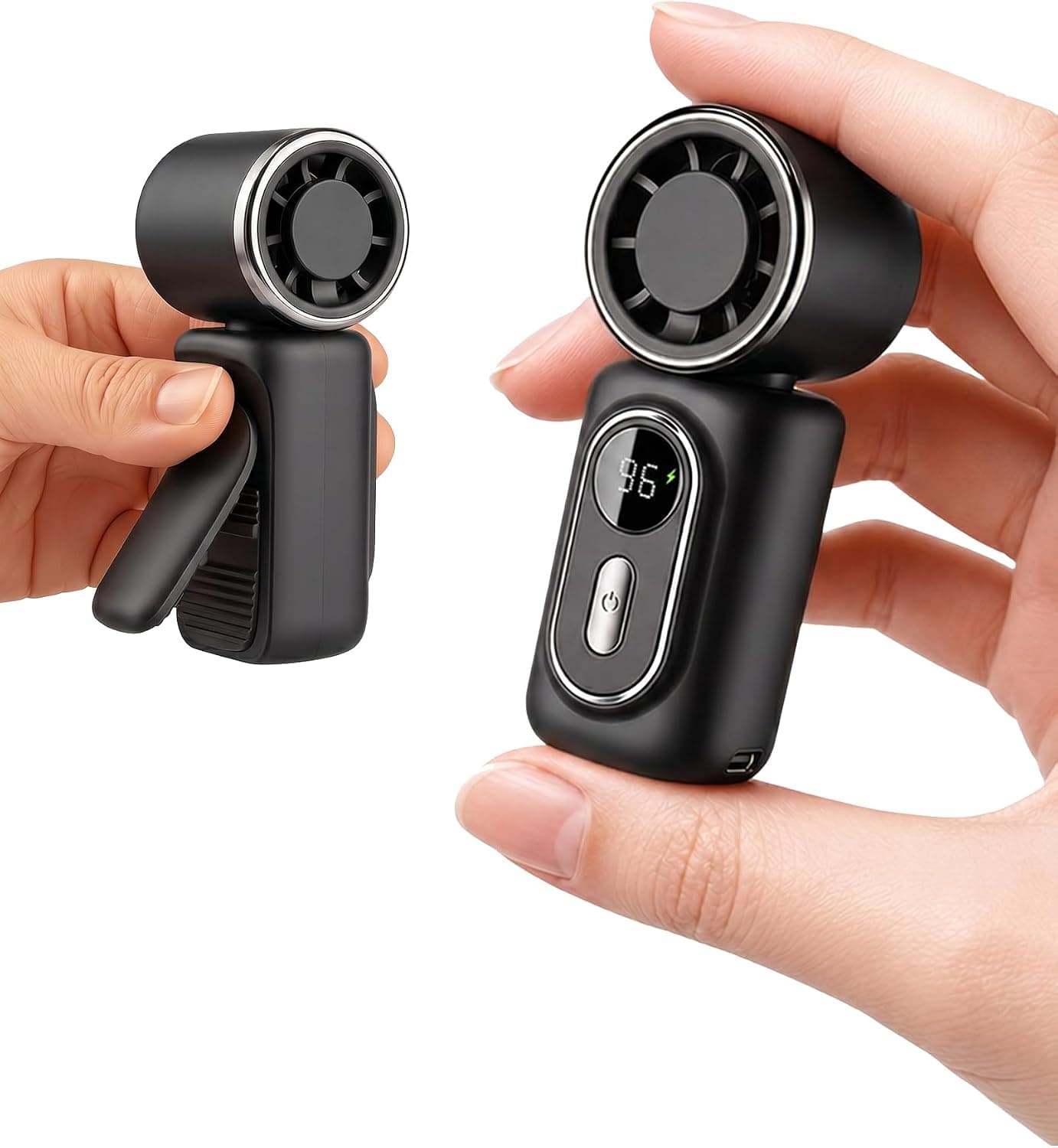
+ 3000mAh battery supports long sessions on hot courts
From our guide: Best Pickleball Portable Fans
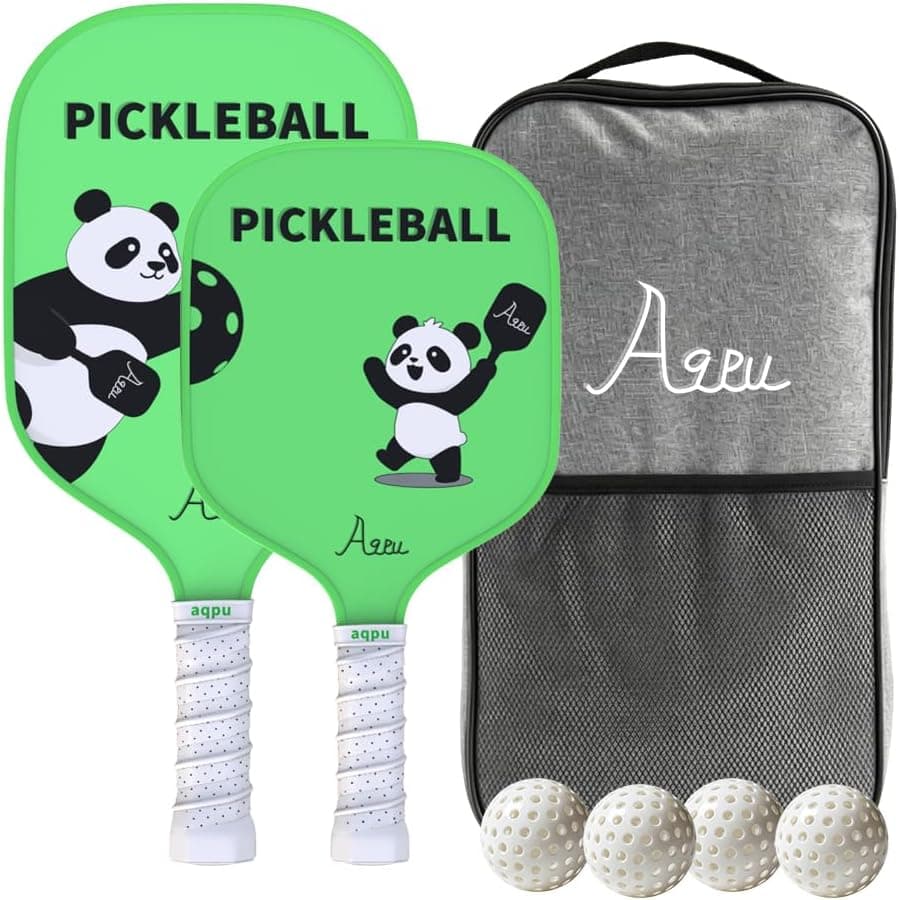
+ Lightweight carbon paddles are easy to maneuver for players new to racquet sports
From our guide: Best Pickleball Paddles For Beginners
The most visible difference is the holes
The most visible difference is the holes. Indoor balls typically have larger holes, usually twenty-six of them, while outdoor balls have smaller, more numerous holes, commonly forty. This is not a cosmetic choice. Smaller holes and a heavier build help outdoor balls punch through wind and resist being pushed around, while the larger holes on indoor balls suit the calm, still air of a gym where wind is never a factor. The hole pattern is the quickest way to identify which ball you are holding.
Weight and hardness follow the design goals
Weight and hardness follow from those design goals. Outdoor balls are heavier and made of a harder, denser plastic so they carry through breezes and stand up to abrasive concrete and asphalt. Indoor balls are lighter and made of a softer plastic, which makes them easier to control and gentler on smooth gym floors. That extra weight and hardness give outdoor balls a firmer, faster feel off the paddle, while indoor balls feel softer and a touch slower, rewarding touch and placement over raw pace.
These differences change how each ball plays
These physical differences translate directly into how each ball plays. Outdoor balls come off the paddle faster and bounce a bit higher and harder, which makes for a quicker, more power-oriented game and demands sharper reactions. Indoor balls, being lighter and softer, travel a little slower and give you more time to set up, which tends to produce longer rallies and rewards the soft, strategic dinking game. Many players notice that their timing shifts noticeably when they switch environments, and that is the ball, not their imagination.
Durability and temperature behave differently
Durability and temperature behavior are practical concerns, especially outdoors. The harder plastic of outdoor balls resists scuffing on rough courts but becomes brittle in cold weather, so a ball that survives summer play may crack quickly on a chilly morning. Cracked balls are the most common reason outdoor balls get retired, and cold accelerates that. Indoor balls, played on soft surfaces in climate-controlled spaces, tend to last longer but can develop soft spots or go out of round over time. In either case, a ball that no longer bounces true or has visible cracks should be replaced.
Match the ball to the surface, not the roof
So which should you use? Match the ball to the surface, not just the roof over your head. If you are playing outdoors on concrete or asphalt, use an outdoor ball regardless of the weather, because an indoor ball outside will get blown around and chew up fast. If you are playing on a smooth indoor court, an indoor ball gives you the control and feel the surface is designed for. Some players do use outdoor balls indoors on harder gym floors for a faster game, but the reverse, using indoor balls outside, rarely works well because of wind.
What to check before buying
When buying, note that not all balls are approved for tournament play, so if you plan to compete, check that your ball appears on the sanctioning body's approved list. For recreational play, buy a small variety, try them in your usual conditions, and settle on one you trust so your timing stays consistent from session to session. Keep a few spares in your bag, since balls crack and warp without warning. Once you match the right ball to your court and conditions, the game feels fairer, your timing steadies, and you can focus on your shots instead of fighting your equipment.
Frequently asked questions
How many holes does an indoor vs outdoor pickleball have? Indoor balls typically have 26 larger holes, while outdoor balls have around 40 smaller, more numerous holes designed to resist wind.
Why do outdoor pickleballs crack in cold weather? The harder, denser plastic used in outdoor balls resists scuffing on rough courts but becomes brittle in cold weather, making cracks the most common reason outdoor balls get retired.
Can I use an indoor pickleball outside? It generally does not work well, since the lighter indoor ball gets pushed around by wind. Match the ball to the surface and conditions rather than to the venue's roof.
Are all pickleballs approved for tournament play? No. If you plan to compete, check that your ball appears on the sanctioning body's approved list before using it in a sanctioned event.
At a glance: Indoor ball vs Outdoor ball
| Indoor ball | Outdoor ball | |
|---|---|---|
| Holes | Fewer, larger | More, smaller |
| Hardness | Softer, lighter | Harder, heavier |
| Bounce | Slower, easier to control | Faster, livelier |
| Wind | Blown around easily | Resists wind |
| Durability | Softens, lasts longer indoors | Can crack, especially in the cold |
| Surface | Gym floors | Concrete and asphalt |
Choose Indoor ball if
- You play in a gym
- You want longer, softer rallies
- You are learning control and dinks
Choose Outdoor ball if
- You play outside
- It is windy where you play
- You play on concrete or asphalt
Bottom line: Match the ball to the court. Indoor balls outside get pushed around by wind, and outdoor balls inside bounce fast and skid.
Quick answers
What is the difference between indoor and outdoor pickleball balls?
Outdoor balls are harder with more, smaller holes to resist wind and bounce on rough courts. Indoor balls are softer with fewer, larger holes, giving more control on smooth gym floors.
Popular right now
- Pickleball Court Dimensions ChartArticle
- Best Wooden Pickleball PaddlesBuying guide
- Two-bounce rule explainedGlossary
- Dink explainedGlossary
- How to Tell if Your Pickleball Paddle Is Dead or Worn OutArticle
- Dressing for Hot-Weather PickleballArticle
Based on the last 28 days of search and visitor data.