Carbon Fiber vs Graphite Pickleball Paddles Explained
Published How we research
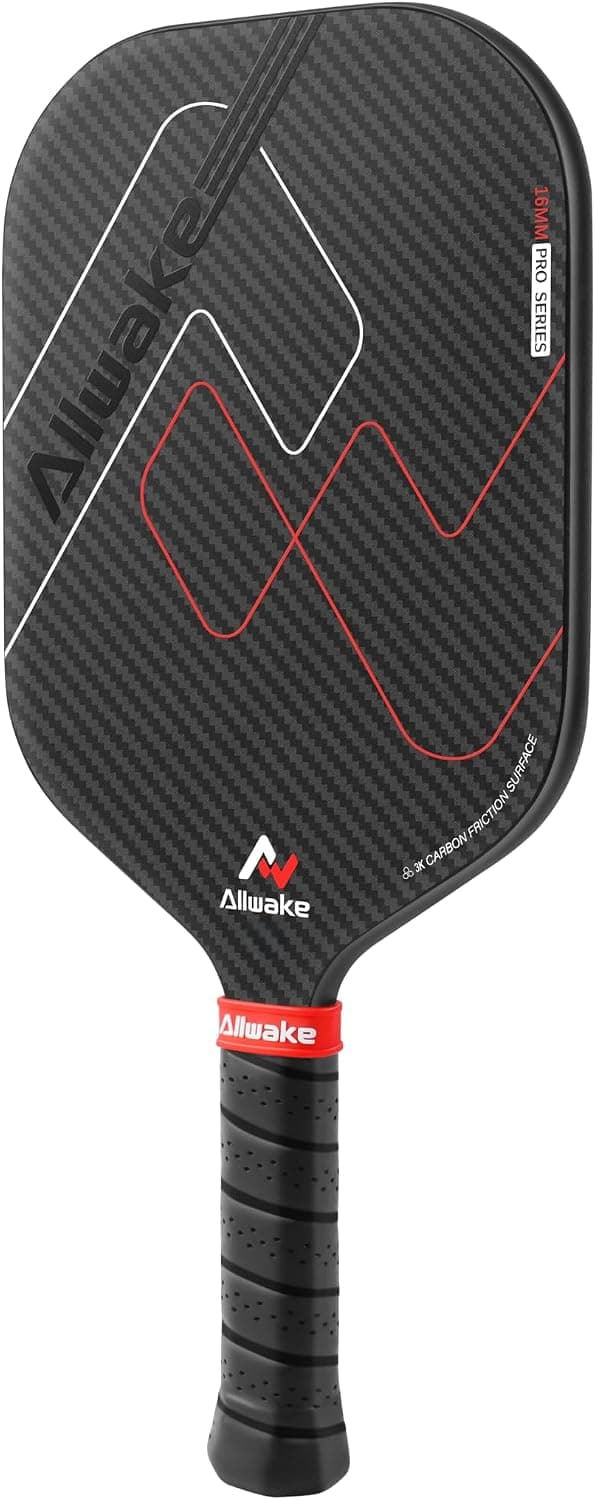
Ask three players about carbon fiber versus graphite and you will get three confident but different answers. Part of the confusion is that the terms overlap. Graphite is technically a form of carbon, and many so-called graphite paddles use a thin carbon-based face over a polymer core. What the market really means when it separates the two is the type of face and how it is finished, and that distinction genuinely changes how a paddle plays. Understanding the difference helps you spend money on the property you actually care about.
Products from this article
The highest-scoring picks from the buying guides this article links to. Scores are our editorial assessment, not customer ratings.
+ 3K raw carbon surface has strong texture for heavy topspin and slice
From our guide: Best Carbon Fiber Pickleball Paddles
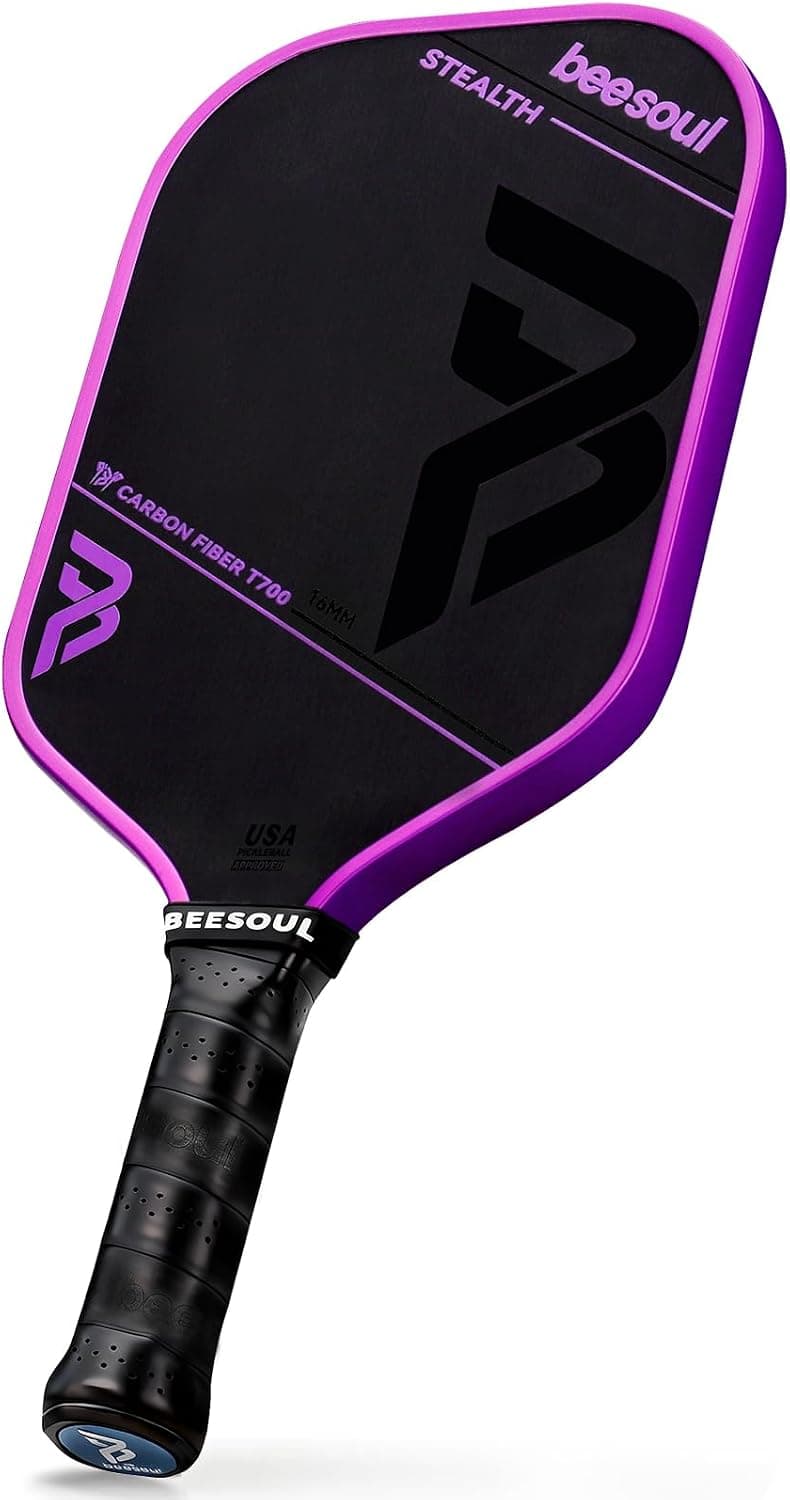
+ Raw T700 carbon offers high face friction for aggressive topspin
From our guide: Best Pickleball Paddles For Spin
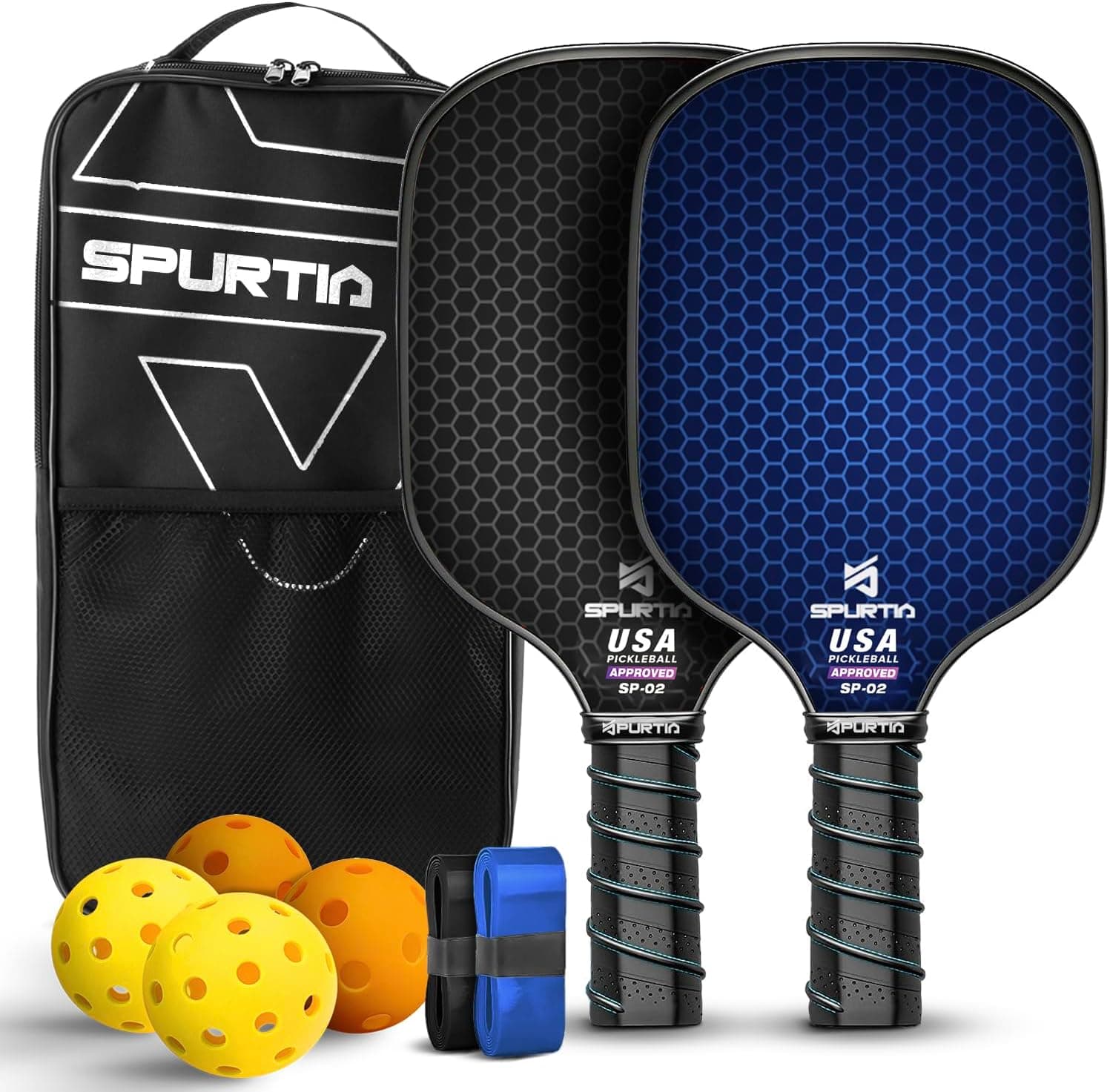
+ Two paddles, balls and a bag get a pair of players on court immediately
From our guide: Best Pickleball Paddles For Beginners
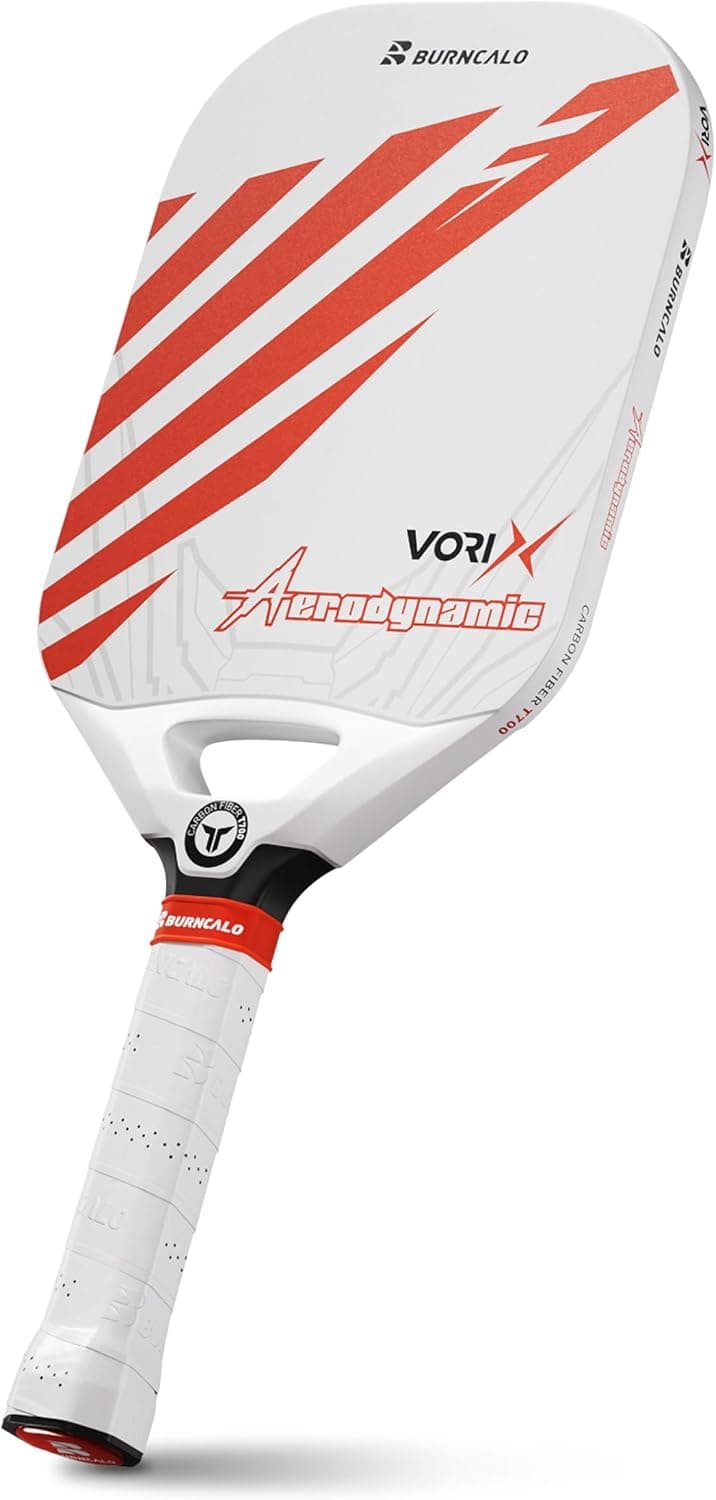
+ Edgeless design removes the edge guard, so low balls do not clip a rim
From our guide: Best Carbon Fiber Pickleball Paddles
Graphite paddles usually have a thin, hard, smooth face bonded to the core. That thinness gives graphite its signature crisp, responsive feel. The ball comes off quickly with a clean pop, and the paddle stays light because the face layer adds little weight. Players who value quick hands at the net and a lively, immediate response often gravitate to graphite. The trade-off is that a smooth, hard face generates less bite on the ball, so spin is more limited compared to a textured raw carbon face.
Carbon fiber paddles, especially the popular raw or unpolished T700 carbon faces, are built for grip. The surface is left slightly rough so the ball dwells on the face a fraction longer, letting you brush up or across it for topspin and slice. This is why the spin-heavy modern game has shifted so strongly toward raw carbon. The face tends to feel a touch softer and more muted than graphite, which many players describe as more controlled, particularly on dinks and resets in the kitchen.
Durability is where the practical differences show up over months of play. A raw carbon face is grippy because of its texture, and that texture wears down with use. As it smooths out, spin potential slowly fades, which is why serious players sometimes replace carbon paddles yearly. Graphite faces, being harder and smoother from the start, do not lose a texture they never relied on, so their performance stays more consistent over time, though the core can still break down. Neither is objectively longer-lasting; they simply age differently.
Feel and sound matter more than people admit. Graphite tends to sound and feel sharper, giving instant feedback that some players love and others find harsh. Carbon fiber, paired with a thicker core, produces a softer thud and a more plush contact that helps with touch shots. If you play a control-oriented, dink-and-drop game, the muted carbon feel supports that style. If you are an aggressive, fast-hands player who wants the ball off the face immediately, graphite's snap may suit you better.
Price is not a clean dividing line, but raw carbon paddles, especially thermoformed ones with premium construction, cluster at the higher end, while graphite appears across budget and midrange models. If your budget is tight and you mainly want a light, responsive paddle, a good graphite model delivers excellent value. If spin is central to how you want to play and you can invest a bit more, raw carbon is worth it, provided you accept that the grippy surface will need eventual replacement.
The honest conclusion is that there is no universal winner, only a better fit for your game. Choose raw carbon fiber if spin and soft control lead your priorities and you do not mind replacing the paddle as the texture wears. Choose graphite if you want a crisp, fast, consistent face at a friendlier price and spin is a secondary concern. Whenever possible, demo one of each back to back on the same day. Your hands will tell you within a few minutes which surface you trust, and trust is what wins points.
At a glance: Carbon fiber vs Graphite
| Carbon fiber | Graphite | |
|---|---|---|
| Spin | Textured faces grip the ball well | Usually smoother, less grip |
| Feel | Controlled, slightly softer | Crisp and responsive |
| Power | Moderate, depends on core | Moderate, stiff pop |
| Weight | Light to mid | Light |
| Durability | Surface grit can wear over time | Durable surface |
| Price | Mid to high | Low to mid |
Choose Carbon fiber if
- Spin and control around the kitchen matter most
- You play regularly
- You want a modern tournament-style paddle
Choose Graphite if
- You want a light, responsive paddle
- You are on a budget
- You play casually
Bottom line: Core thickness and shape matter as much as the face. For most improving players a textured carbon fiber paddle with a thicker core is the best all-round choice.
Popular right now
- Pickleball Court Dimensions ChartArticle
- Indoor vs Outdoor Pickleball Balls ExplainedArticle
- Best Wooden Pickleball PaddlesBuying guide
- Two-bounce rule explainedGlossary
- Dink explainedGlossary
- How to Tell if Your Pickleball Paddle Is Dead or Worn OutArticle
Based on the last 28 days of search and visitor data.