Preventing Common Pickleball Injuries
Published How we research
Pickleball's reputation as a gentle, social sport hides a real truth: its quick starts, sudden stops, and repetitive swings produce a steady stream of injuries, especially among players returning to sport after years away. The most common problems are lower-body strains and sprains, overuse injuries in the elbow and shoulder, and falls that cause wrist fractures. The encouraging news is that most of these are preventable with a handful of habits that take only minutes but protect months of play.
Products from this article
The highest-scoring picks from the buying guides this article links to. Scores are our editorial assessment, not customer ratings.
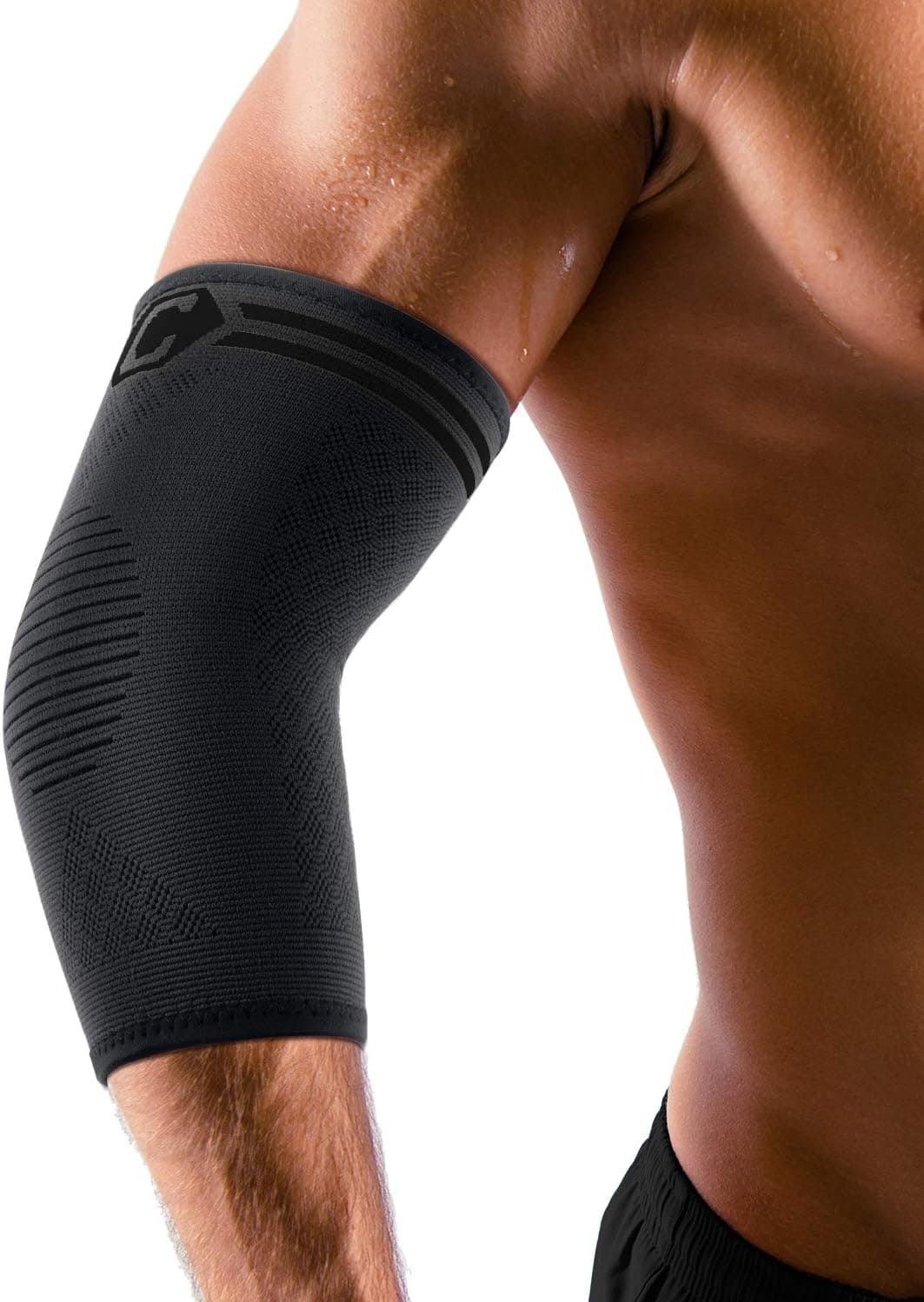
+ 3D knit construction flexes comfortably through full swings
From our guide: Best Pickleball Elbow Sleeves
+ Lightweight fabric is easy to wear during active warm-ups
From our guide: Best Pickleball Jackets
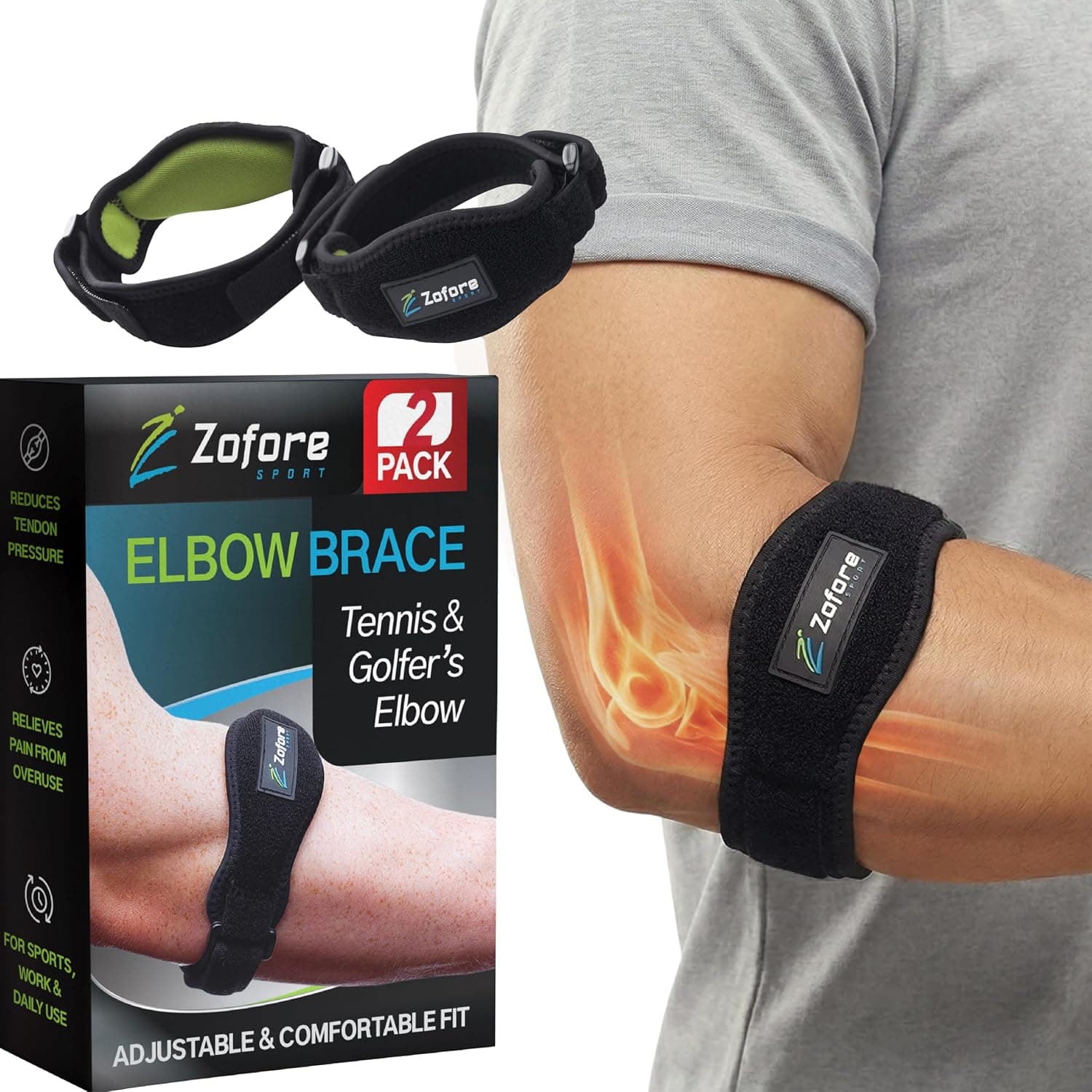
+ Compression pad targets the tendon to ease tennis elbow pain
From our guide: Best Pickleball Elbow Sleeves
+ Tennis jacket cut allows free arm movement when warming up
From our guide: Best Pickleball Jackets
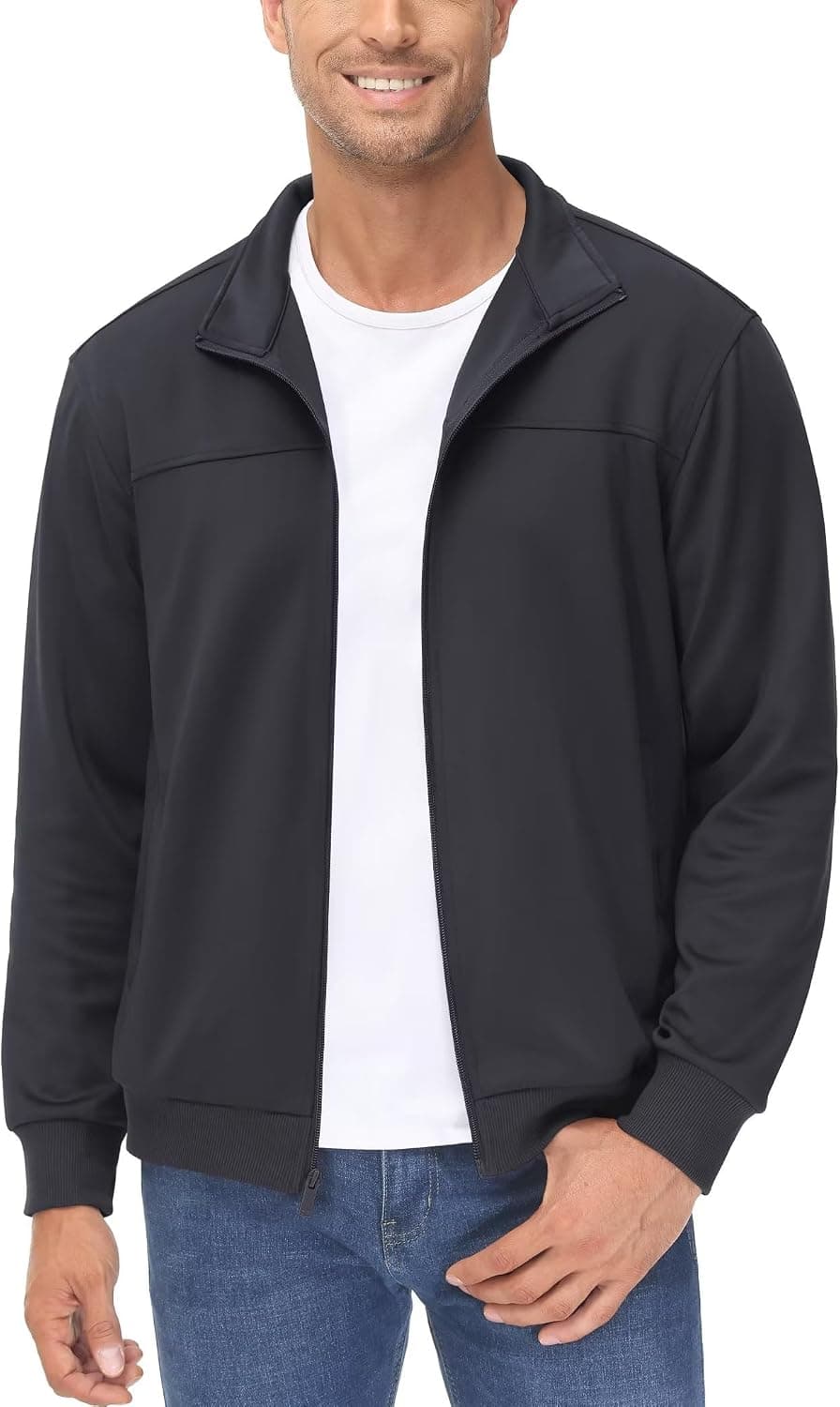
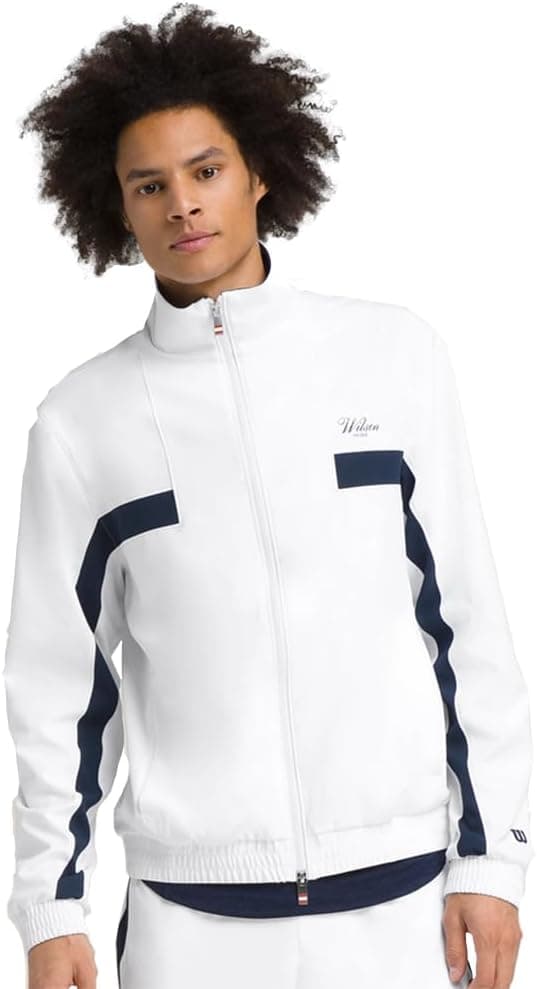
The single most effective prevention tool is a proper warm-up, and skipping it is the most common mistake. Cold muscles and tendons are stiff and tear more easily, so arriving five minutes before your game and starting hard is asking for a strain. Spend at least five to ten minutes raising your heart rate with a brisk walk or light jog, then do dynamic movements like leg swings, arm circles, gentle lunges, and side shuffles. Dynamic movement prepares your body for the specific motions of pickleball far better than static stretching does before play.
Lower-body injuries often come from footwork rather than fitness. Many players injure ankles and knees by backpedaling to chase a lob, catching a heel, and falling backward, which is a leading cause of wrist fractures as people reach back to break the fall. Train yourself never to backpedal; instead, turn and shuffle or use a drop step to move back safely, or simply let the lob go. Wearing proper court shoes with lateral support rather than running shoes also matters, because running shoes are built for forward motion and roll under the side-to-side movement pickleball demands.
Overuse injuries in the arm build slowly and are easy to ignore until they force you off the court. Pickleball elbow, a form of tendinitis, comes from repetitive impact and gripping, often worsened by a heavy paddle, a grip that is the wrong size, or a tight, muscled swing. Prevent it by choosing an appropriately light paddle, confirming your grip size fits, and using your legs and core to generate power rather than muscling the ball with your forearm. If you feel a persistent ache in the elbow or shoulder, treat it as an early warning and reduce volume before it becomes chronic.
Strength and mobility off the court are your long-term insurance. A simple routine two or three times a week focused on legs, hips, and core builds the stability that absorbs the sport's sudden loads. Exercises like squats, lunges, calf raises, and glute bridges strengthen the muscles that protect your knees and ankles, while shoulder and wrist mobility work keeps your upper body resilient to repetitive swinging. Balance training, such as standing on one leg, sharpens the reflexes that prevent falls in the first place.
Recovery is where many enthusiastic players go wrong by playing every day without rest. Muscles and tendons adapt and repair during rest, not during play, so stacking session after session without recovery is how overuse injuries take hold. Build in rest days, cool down after play with gentle stretching, stay hydrated, and get enough sleep, since sleep is when much of the body's repair happens. If you play frequently, alternate hard sessions with easier ones rather than going all out every time.
Finally, listen to pain and respond early. Sharp pain, swelling, or a joint that gives way is a signal to stop, not to push through. Minor tweaks caught early usually resolve with a few days of rest and ice, while ignored ones can turn into injuries that sideline you for months. There is no shame in sitting out a game to protect a nagging ankle or elbow. The players who stay on court for years are not the toughest; they are the ones who warmed up, moved smartly, built strength, and respected their body's signals. Prevention is far cheaper and far more fun than rehab.
Popular right now
- Pickleball Court Dimensions ChartArticle
- Indoor vs Outdoor Pickleball Balls ExplainedArticle
- Best Wooden Pickleball PaddlesBuying guide
- Two-bounce rule explainedGlossary
- Dink explainedGlossary
- How to Tell if Your Pickleball Paddle Is Dead or Worn OutArticle
Based on the last 28 days of search and visitor data.