How to Stop Slipping on Indoor and Outdoor Pickleball Courts
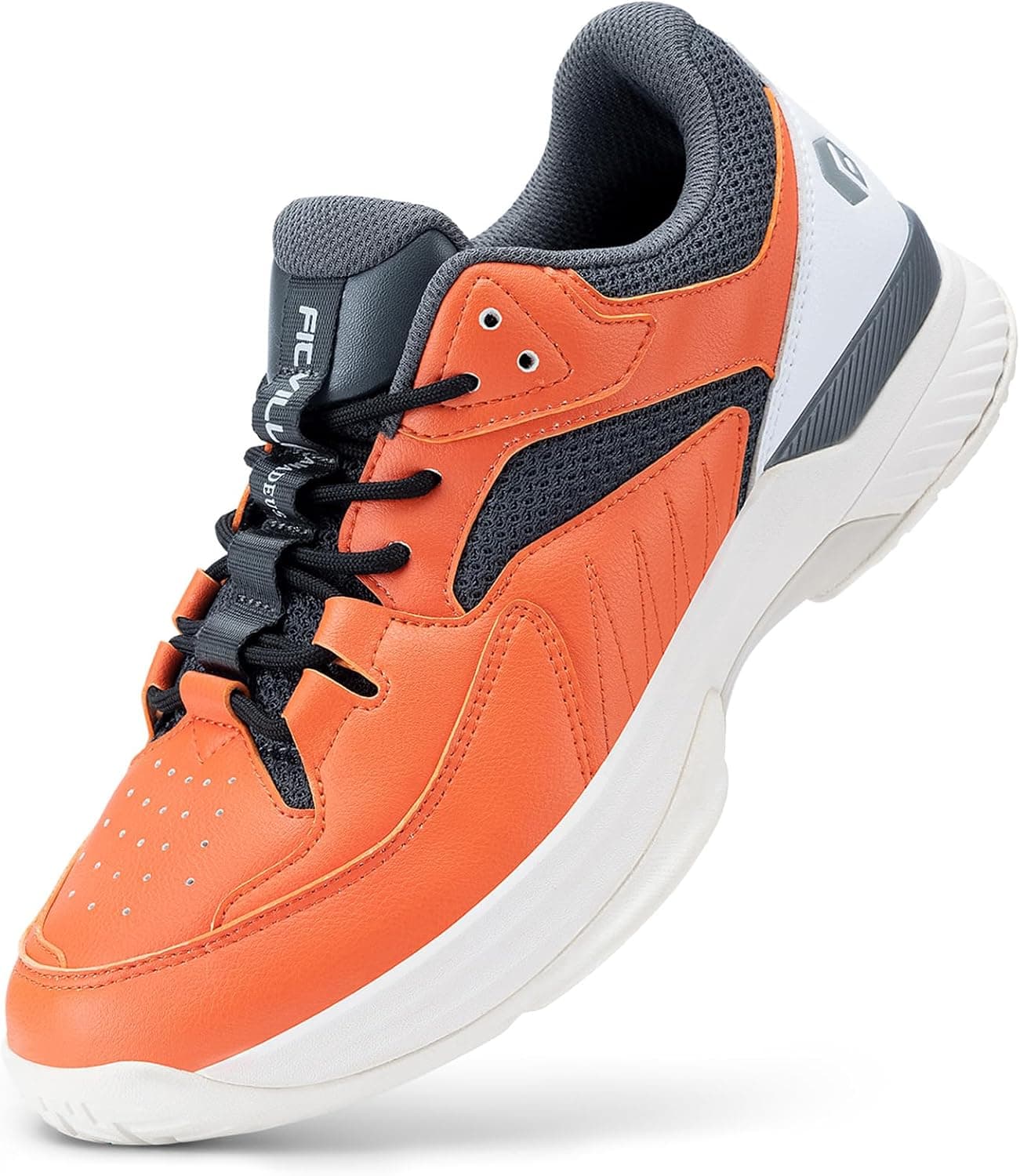
Pickleball involves quick side-to-side movement, sudden stops and lunges at the kitchen line, so good traction is essential for both performance and safety. Slipping usually comes from wearing the wrong type of shoe, worn soles or dusty indoor floors. The right shoes and a few simple habits reduce the risk of falls and ankle injuries.
Use court shoes, not running shoes
Running shoes are built for forward motion and often have soft, raised soles that roll during lateral movement. Their tread patterns and foam compounds may also grip poorly on smooth indoor courts.
Court shoes designed for pickleball, tennis or indoor sports have flatter, more supportive soles and reinforced sides for lateral stability. They help you stop and change direction with better control.
Match the sole to the surface
Indoor courts, often wooden or synthetic gym floors, work best with gum rubber soles designed for indoor sports. These soles grip smooth surfaces and avoid marking floors.
Outdoor courts are more abrasive and wear soles quickly. Outdoor court shoes use tougher rubber and herringbone or modified tread patterns that hold up to rough acrylic surfaces while still providing grip.
Clean dust from soles
Indoor gym floors collect dust, which coats soles and quickly reduces grip. Wipe the soles of your shoes with a damp towel between games, and avoid wearing indoor court shoes outside where they pick up dirt and wear faster.
Some indoor facilities have sticky mats at entrances. If yours does not, a quick wipe with a slightly damp cloth before play makes a noticeable difference.
Replace worn shoes
Tread wears flat, particularly under the ball of the foot and toe, where players push off and drag during movement. Once tread pattern disappears in these areas, traction drops significantly.
Regular players often need new court shoes every few months, depending on playing time and court surface. Some outdoor pickleball shoes include durability guarantees on the outsole.
Watch court conditions
Outdoor courts can become slippery with morning dew, light rain, sand, leaves and dust. Sweep debris away and avoid playing on wet courts, since painted lines and acrylic surfaces become especially slick.
Indoors, report wet spots or spilled drinks and keep water bottles off the court. Warm up with lateral movement drills before competitive play so your legs and ankles are ready for quick changes of direction.