Pickleball Rules Explained
Published How we research
Pickleball rules are refreshingly simple once you see how the pieces fit together, but the terminology can trip up newcomers. This guide breaks the rules into digestible parts so you can walk onto the court knowing what to do, what to avoid, and why the game flows the way it does. Master these fundamentals and the rest of the game becomes intuitive.
Products from this article
The highest-scoring picks from the buying guides this article links to. Scores are our editorial assessment, not customer ratings.
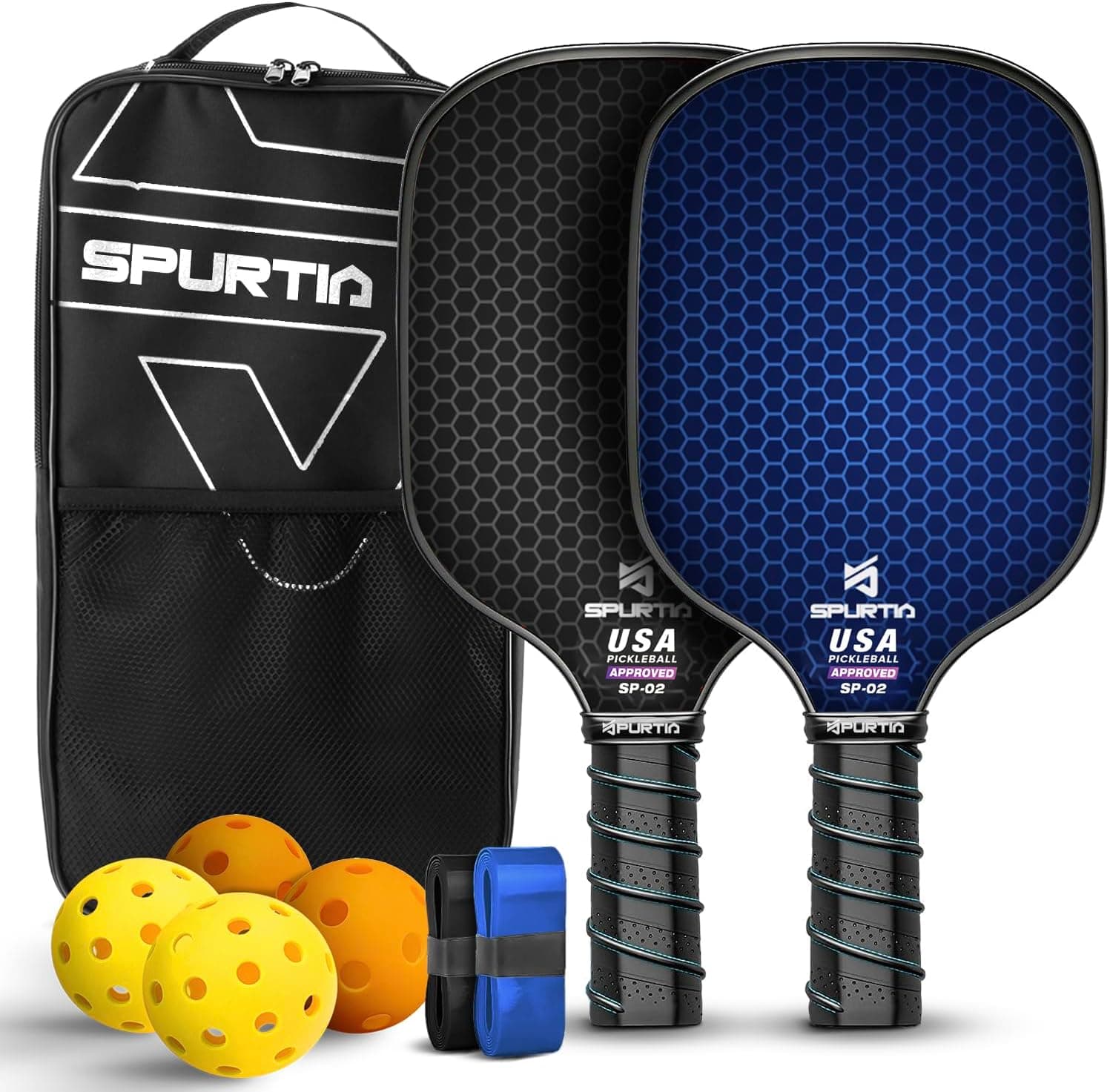
+ Two paddles, balls and a bag get a pair of players on court immediately
From our guide: Best Pickleball Paddles For Beginners
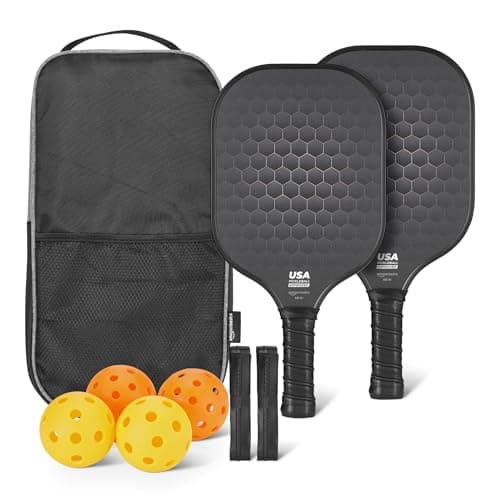
+ Lightweight carbon paddles are easy to maneuver for players new to racquet sports
From our guide: Best Pickleball Paddles For Beginners
+ A carbon fiber surface with a glass-encased frame and electroplated edging is listed for durability and spin control
From our guide: Best Pickleball Paddles For Beginners
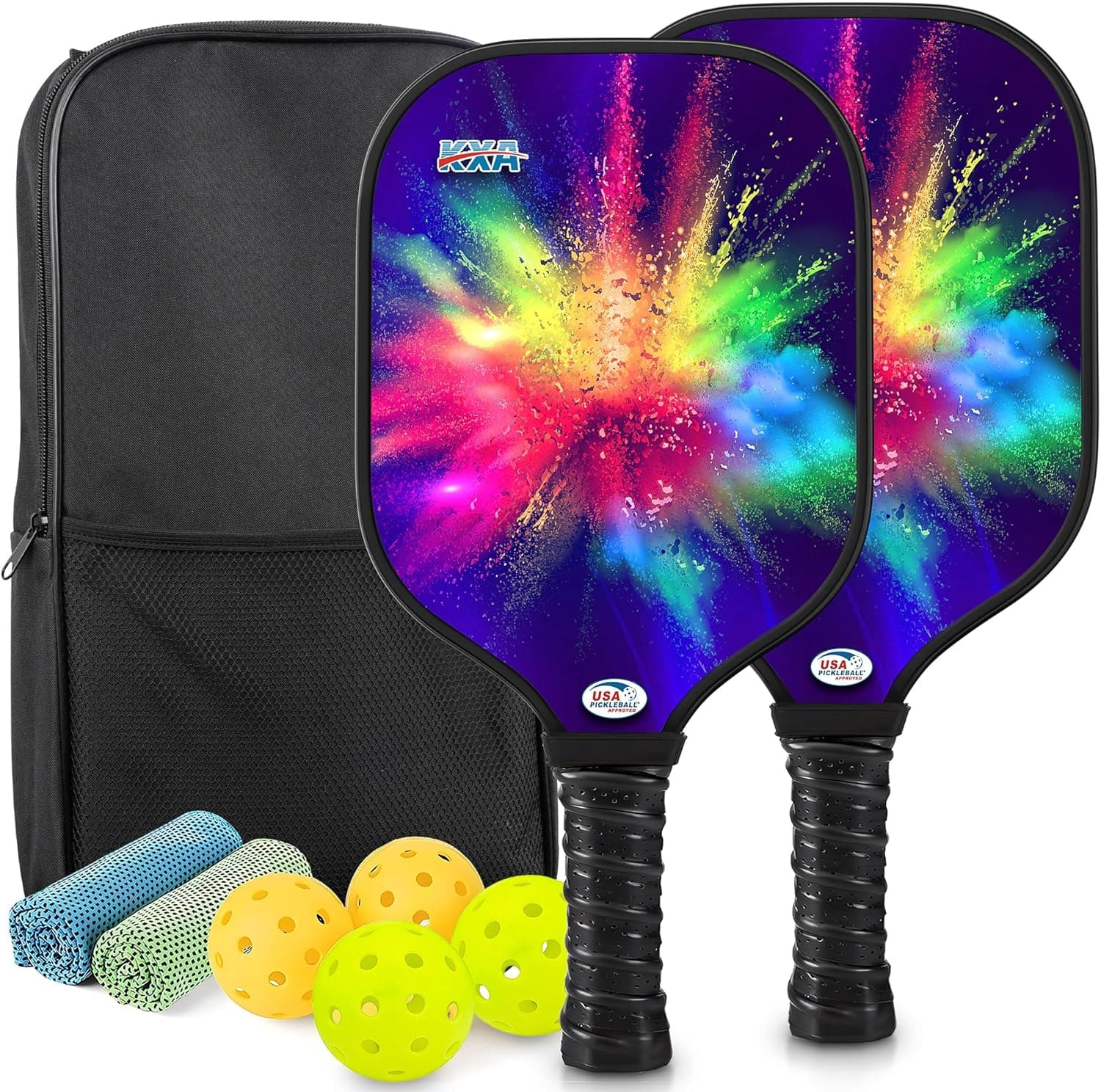
+ 2 cooling towels are a useful extra for summer outdoor sessions
From our guide: Best Pickleball Paddles For Beginners
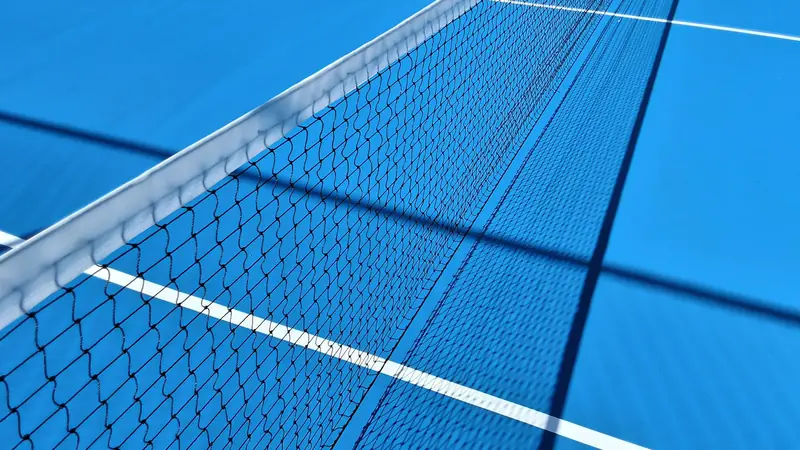
Every point begins with the serve, which must be made underhand with contact below the waist. The server stands behind the baseline and hits diagonally into the opposite service box, clearing the non-volley zone. The serve must land in the correct box to be good. In doubles, both players on a team usually get to serve before the ball passes to the other side, except for the very first service turn of the game.
The two-bounce rule is a defining feature of pickleball. After the serve, the receiving team must let the ball bounce once before returning it, and then the serving team must also let the return bounce before playing it. Only after those two bounces are players allowed to volley, meaning hit the ball out of the air. This rule neutralizes the serve-and-rush advantage and encourages longer, more strategic rallies.
The non-volley zone, affectionately called the kitchen, is the area extending seven feet from the net on both sides. You cannot volley the ball while standing in this zone, and you cannot let your momentum carry you into it after a volley. You may step into the kitchen anytime to play a ball that has bounced, but you must be fully out of it before volleying again. Kitchen faults are among the most common beginner mistakes.
Scoring runs on a rally-to-serve system where only the serving side can score points. Games are typically played to eleven and must be won by two, though tournaments sometimes use fifteen or twenty-one. In doubles, the server announces three numbers before serving: the serving team's score, the receiving team's score, and the server number, one or two. This tells everyone exactly where the game stands.
Faults end the rally and are worth understanding clearly. A fault occurs when the ball lands out of bounds, fails to clear the net, bounces twice before being returned, is volleyed from the kitchen, or when a serving rule is violated. If the serving side faults, they lose their serve; if the receiving side faults, the serving side scores a point. Lines are considered in, with the exception of the kitchen line on a serve.
A few etiquette-adjacent rules smooth out play. Players make their own line calls on their side of the court, and the tradition is to give the benefit of the doubt to opponents on close calls. If you are unsure whether a ball was in, it is customary to call it in. Learn these rules once, practice them a few times, and they will fade into the background so you can simply enjoy the game.
Popular right now
- Pickleball Court Dimensions ChartArticle
- Indoor vs Outdoor Pickleball Balls ExplainedArticle
- Best Wooden Pickleball PaddlesBuying guide
- Two-bounce rule explainedGlossary
- Dink explainedGlossary
- How to Tell if Your Pickleball Paddle Is Dead or Worn OutArticle
Based on the last 28 days of search and visitor data.