Pickleball for Beginners
Published How we research
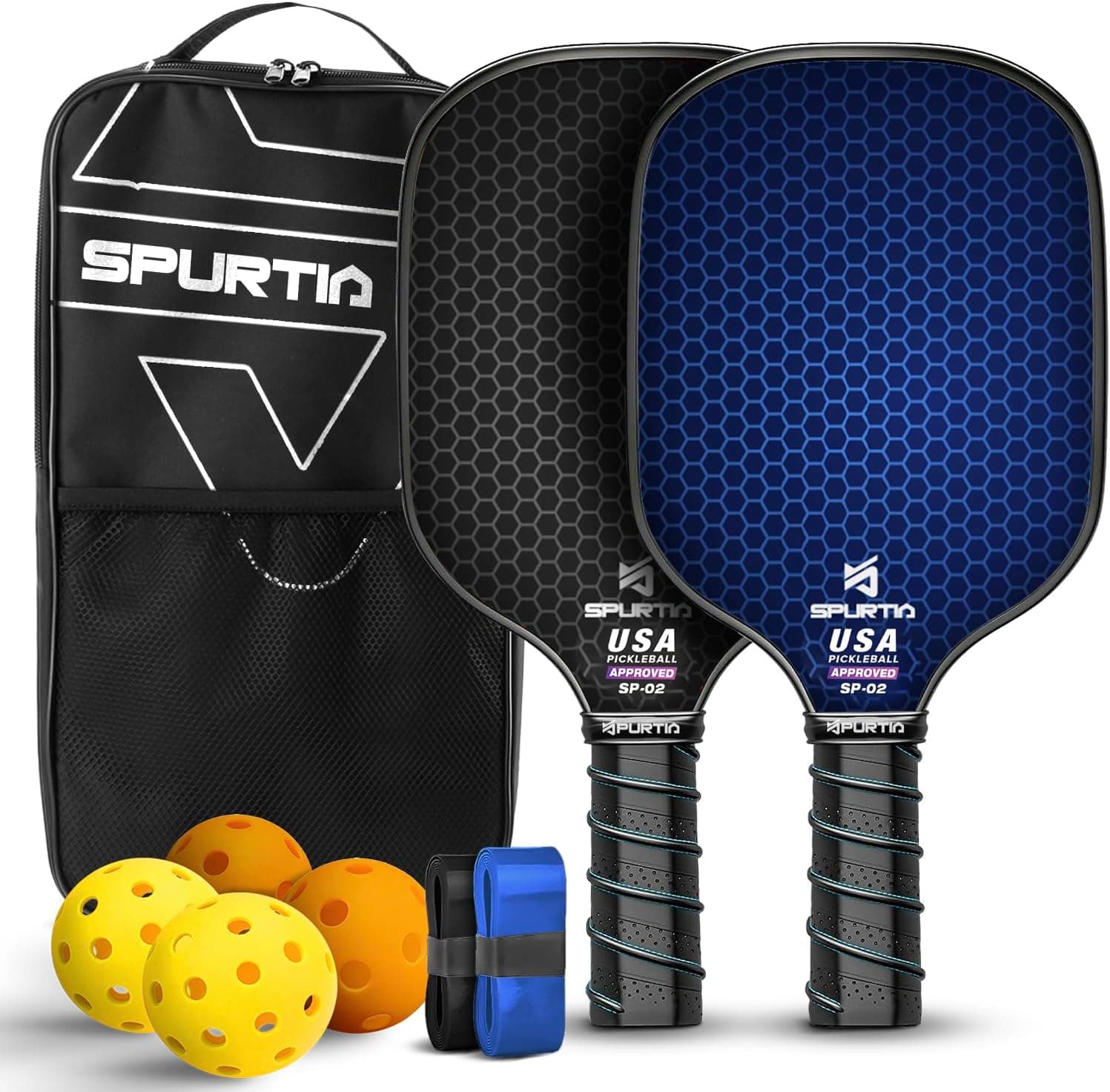
Pickleball has become one of the fastest-growing sports for a simple reason: it is easy to learn, gentle on the body, and genuinely fun within your first few minutes on the court. If you can hold a paddle and move a few steps, you can play. This guide will walk you through everything a beginner needs to feel comfortable stepping onto the court for the first time.
Products from this article
The highest-scoring picks from the buying guides this article links to. Scores are our editorial assessment, not customer ratings.
+ Two paddles, balls and a bag get a pair of players on court immediately
From our guide: Best Pickleball Paddles For Beginners
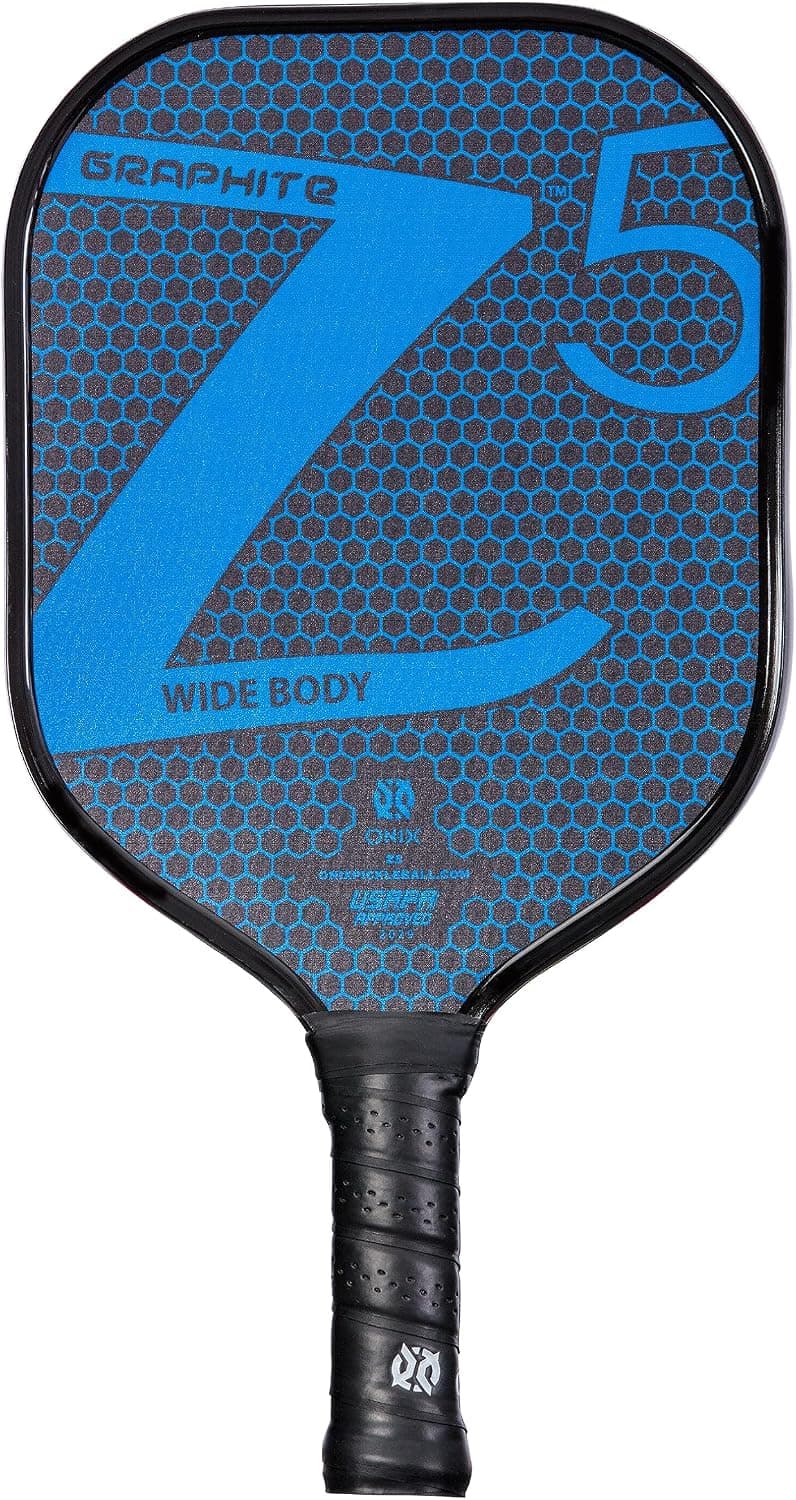
+ Nomex honeycomb core is firm and loud, giving a quick, powerful rebound
From our guide: Best Graphite Pickleball Paddles
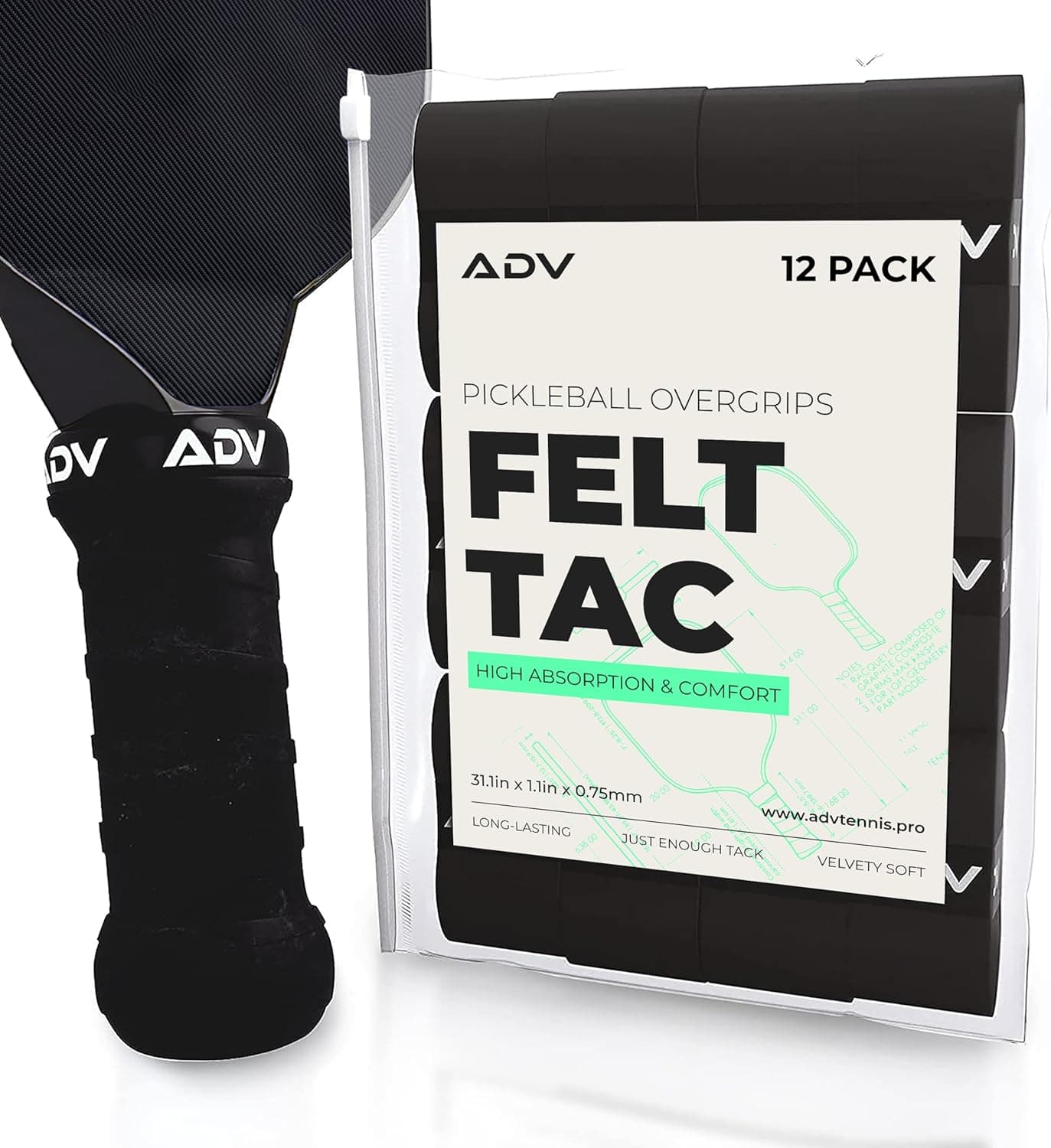
+ 12-pack is ideal for clubs, coaches or frequent re-grippers
From our guide: Best Pickleball Grip Tape
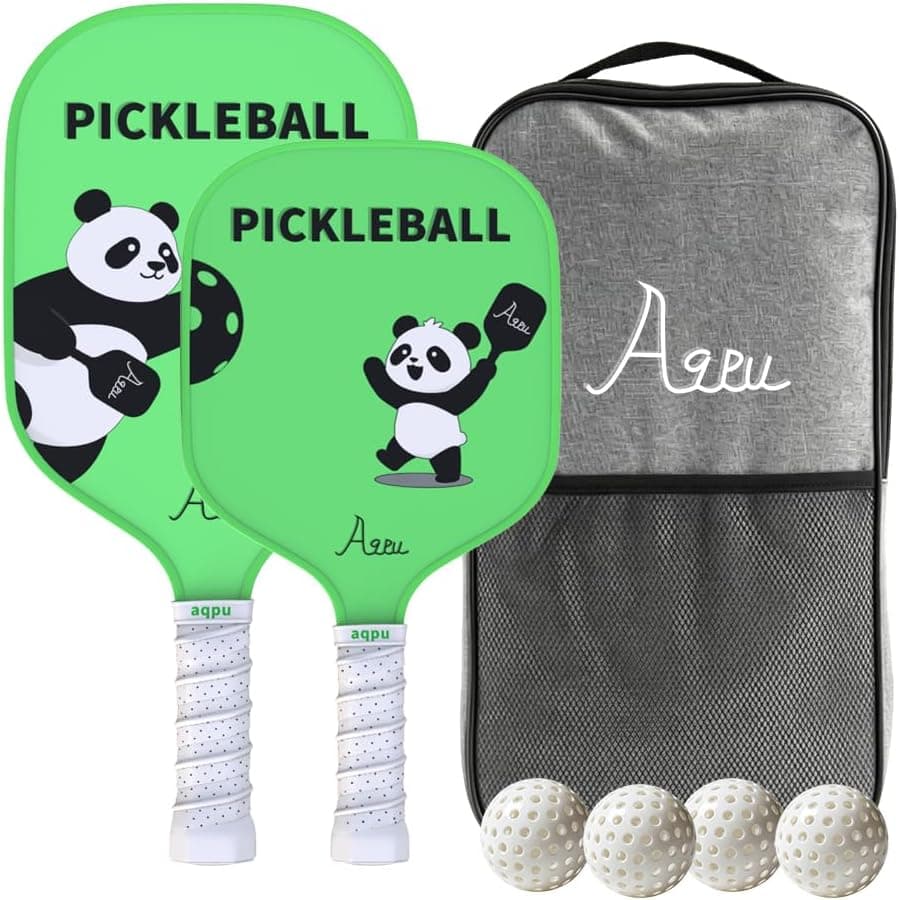
+ Lightweight carbon paddles are easy to maneuver for players new to racquet sports
From our guide: Best Pickleball Paddles For Beginners
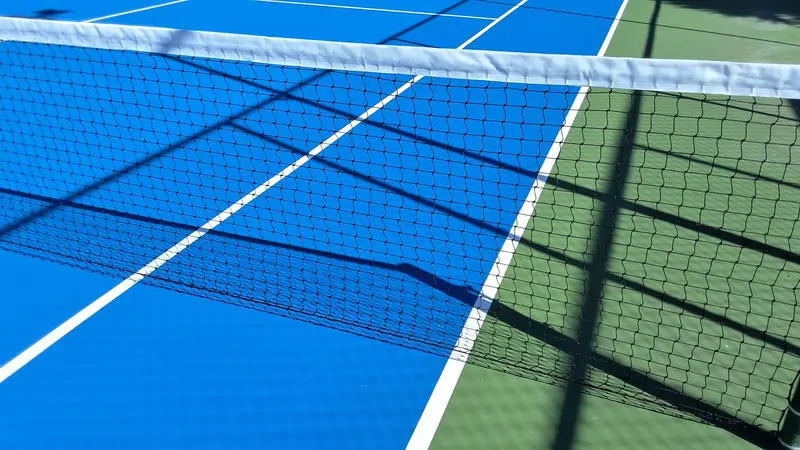
Start with the basics of the game. Pickleball is played on a court smaller than a tennis court, with a net slightly lower than a tennis net. You can play singles, one against one, but doubles is by far the most popular format and a great way to learn. The ball is a lightweight plastic ball with holes, and it moves slower than a tennis ball, which gives you time to react and rally.
Your starting gear can be simple and affordable. All you truly need is a paddle, a few balls, court shoes with good lateral support, and comfortable athletic clothing. As a beginner, choose a forgiving midweight paddle with a wide face rather than an expensive power paddle. Do not overspend at first; you can always upgrade once you know your style and how often you will play.
Understanding the core rules early will save a lot of confusion. Serves are made underhand and diagonally to the opposite service box. There is a non-volley zone near the net, often called the kitchen, where you cannot hit the ball out of the air. And there is the two-bounce rule: the ball must bounce once on each side before players are allowed to volley. These three rules shape almost every point.
Scoring feels strange at first but clicks quickly. In traditional play, only the serving side can score points, and games are usually played to eleven, win by two. The server calls out three numbers in doubles: their score, the opponents' score, and whether they are the first or second server. Do not worry about memorizing everything; your partners will help, and it becomes second nature after a session or two.
For your very first games, focus on a few simple goals rather than winning. Keep the ball in play, aim for the middle of the court, and get comfortable letting the ball bounce. Move up toward the kitchen line when you can, because most points are won there through soft, controlled dinks rather than big swings. Patience beats power at every level.
Most of all, embrace the social, welcoming culture of the sport. Pickleball communities are famously friendly, and open-play sessions are perfect for meeting people and learning by doing. Ask questions, laugh off your mistakes, and rotate in with players a little better than you. Show up, keep it light, and you will improve faster than you expect while having a great time along the way.
Popular right now
- Pickleball Court Dimensions ChartArticle
- Indoor vs Outdoor Pickleball Balls ExplainedArticle
- Best Wooden Pickleball PaddlesBuying guide
- Two-bounce rule explainedGlossary
- Dink explainedGlossary
- How to Tell if Your Pickleball Paddle Is Dead or Worn OutArticle
Based on the last 28 days of search and visitor data.