Indoor vs Outdoor Pickleball
Published How we research

The biggest difference is the ball: outdoor balls are harder and heavier with smaller holes to cut through wind, while indoor balls are softer and lighter with fewer, larger holes for still gym air. Surfaces differ too, with textured outdoor acrylic courts versus smoother indoor gym floors, and outdoor play adds wind, sun, and temperature as variables that reward controlled power and patient shot selection. Indoor play favors touch and longer dink rallies since the ball sits up more. Neither format is superior, and playing both makes you a more complete player. Pickleball can be played indoors in gyms or outdoors on dedicated courts, and while the rules are identical, the experience differs in meaningful ways. The balls, playing surface, and environmental conditions all change how the game feels and what strategies work best. Knowing these differences helps you adapt quickly when you switch venues.
Products from this article
The highest-scoring picks from the buying guides this article links to. Scores are our editorial assessment, not customer ratings.
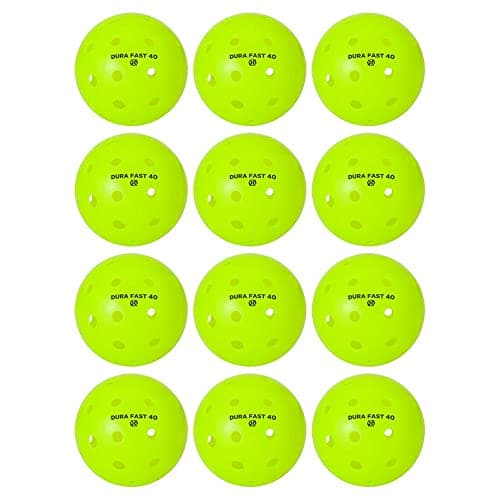
+ X-40 is the official US Open ball, so practice mirrors top event conditions
From our guide: Best Outdoor Pickleball Balls
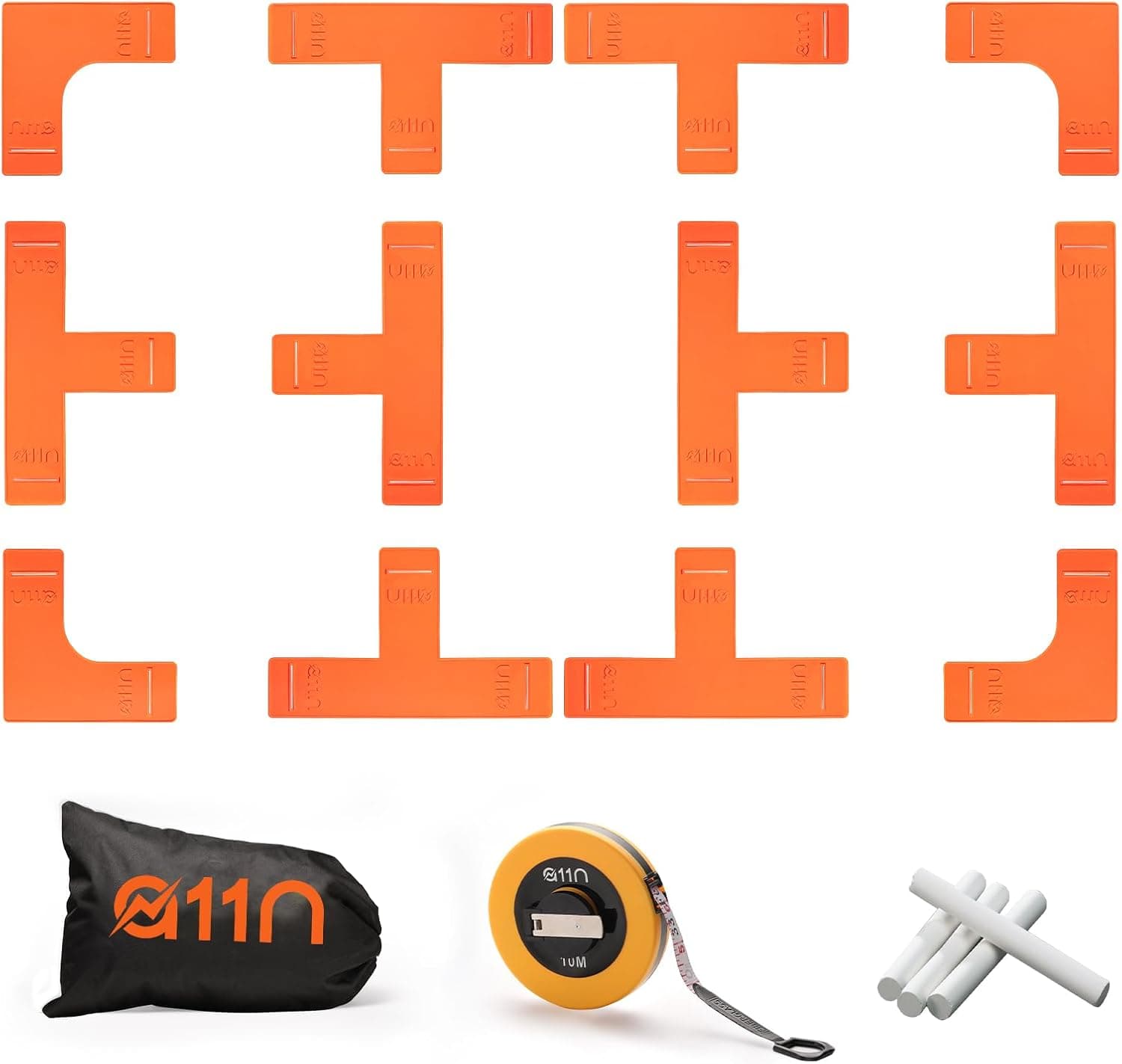
+ 33ft tape measure makes accurate court layout much easier
From our guide: Best Pickleball Court Marker Kits
+ Meets USAPA/IFP regulations and is approved for sanctioned tournament play, per the listing
From our guide: Best Outdoor Pickleball Balls
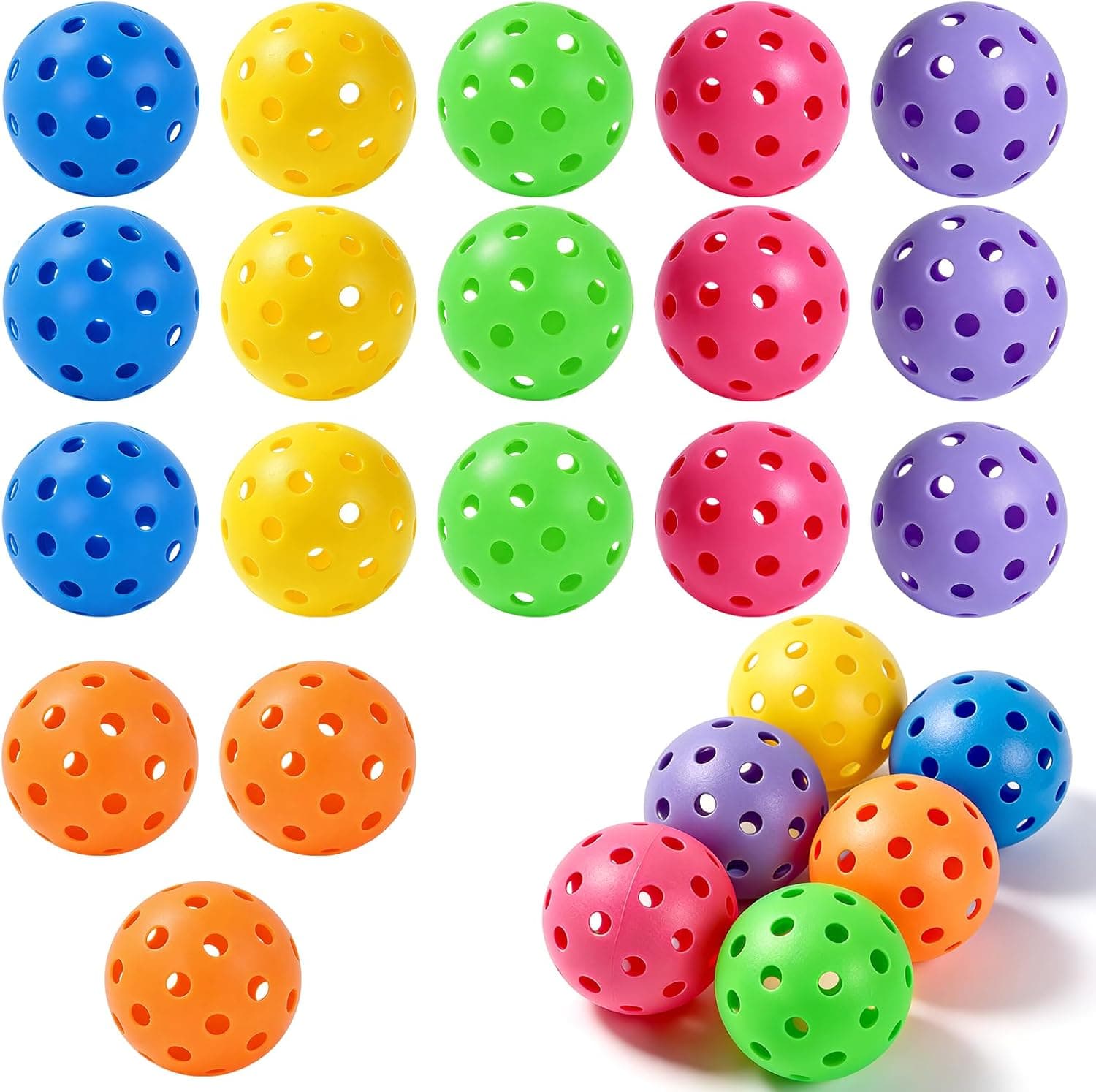
+ Multiple colors make it easy to spot your ball on shared courts
From our guide: Best Pickleball Balls
The ball is the most important difference
The most important difference is the ball. Outdoor balls are harder and heavier with smaller, more numerous holes, designed to cut through wind and hold up on rougher surfaces. Indoor balls are softer and lighter with fewer, larger holes, which makes them play slower and softer in the still air of a gym. Using the wrong ball for the environment leads to erratic, frustrating play, so always match the ball to the setting.
Playing surfaces vary considerably
Playing surfaces vary considerably between the two settings. Outdoor courts are typically concrete or asphalt with a textured acrylic coating, which grips shoes and adds a slightly faster, truer bounce. Indoor courts are often gym floors, either hardwood or a sport tile, which can be smoother and sometimes slicker. The surface affects both your footing and how the ball reacts, so pay attention to grip when you arrive.
Environmental conditions are outdoor play's wild card
Environmental conditions are the wild card of outdoor play. Wind can push the lightweight ball off course, sun can blind you on overheads and serves, and temperature affects how lively the ball feels. Experienced outdoor players learn to adjust by hitting with more margin, using spin to control flight, and positioning themselves relative to the sun. Indoors, conditions are controlled and consistent, so the ball behaves predictably every time.
These differences shape strategy
These differences shape strategy. Because outdoor balls are harder and faster, and wind adds unpredictability, outdoor games often reward controlled power, heavier spin, and patient shot selection that accounts for the elements. Indoor play, with its slower ball and calm air, tends to favor touch, longer dink rallies, and precise placement, since the ball sits up more and gives you time to construct points.
Gear choices shift slightly too
Gear choices can shift slightly as well. Outdoor players benefit from sunglasses, hats, and moisture management for heat, while grip becomes important as hands get sweaty. Indoor players should watch for slicker surfaces and choose court shoes with reliable traction for the specific floor. Many players keep a mix of both indoor and outdoor balls in their bag so they are ready for any venue.
Neither format is superior
Ultimately, neither format is superior; they simply offer different flavors of the same great game. Playing both makes you a more complete and adaptable player, teaching you to control power outdoors and refine your touch indoors. If you are just starting, play whatever is convenient and available, but do try both when you can. The variety keeps the game fresh and sharpens skills you might not develop by sticking to one setting.
Frequently asked questions
Can I use an outdoor pickleball indoors? Some players do use outdoor balls indoors for a faster game, but using indoor balls outdoors rarely works well because wind pushes the lighter ball off course.
Does outdoor pickleball favor power or touch? Outdoor play often rewards controlled power, heavier spin, and patient shot selection that accounts for wind, since the ball is harder and faster.
Why does indoor pickleball favor longer rallies? The slower, softer indoor ball and calm air let the ball sit up more, giving players time to construct points, which favors touch and longer dink rallies.
Do I need different gear for indoor vs outdoor pickleball? Outdoor players benefit from sunglasses, hats, and moisture management for heat, while indoor players should choose court shoes with reliable traction for potentially slicker floors.
Popular right now
- Pickleball Court Dimensions ChartArticle
- Indoor vs Outdoor Pickleball Balls ExplainedArticle
- Best Wooden Pickleball PaddlesBuying guide
- Two-bounce rule explainedGlossary
- Dink explainedGlossary
- How to Tell if Your Pickleball Paddle Is Dead or Worn OutArticle
Based on the last 28 days of search and visitor data.