How to Choose Pickleball Shoes
Published How we research
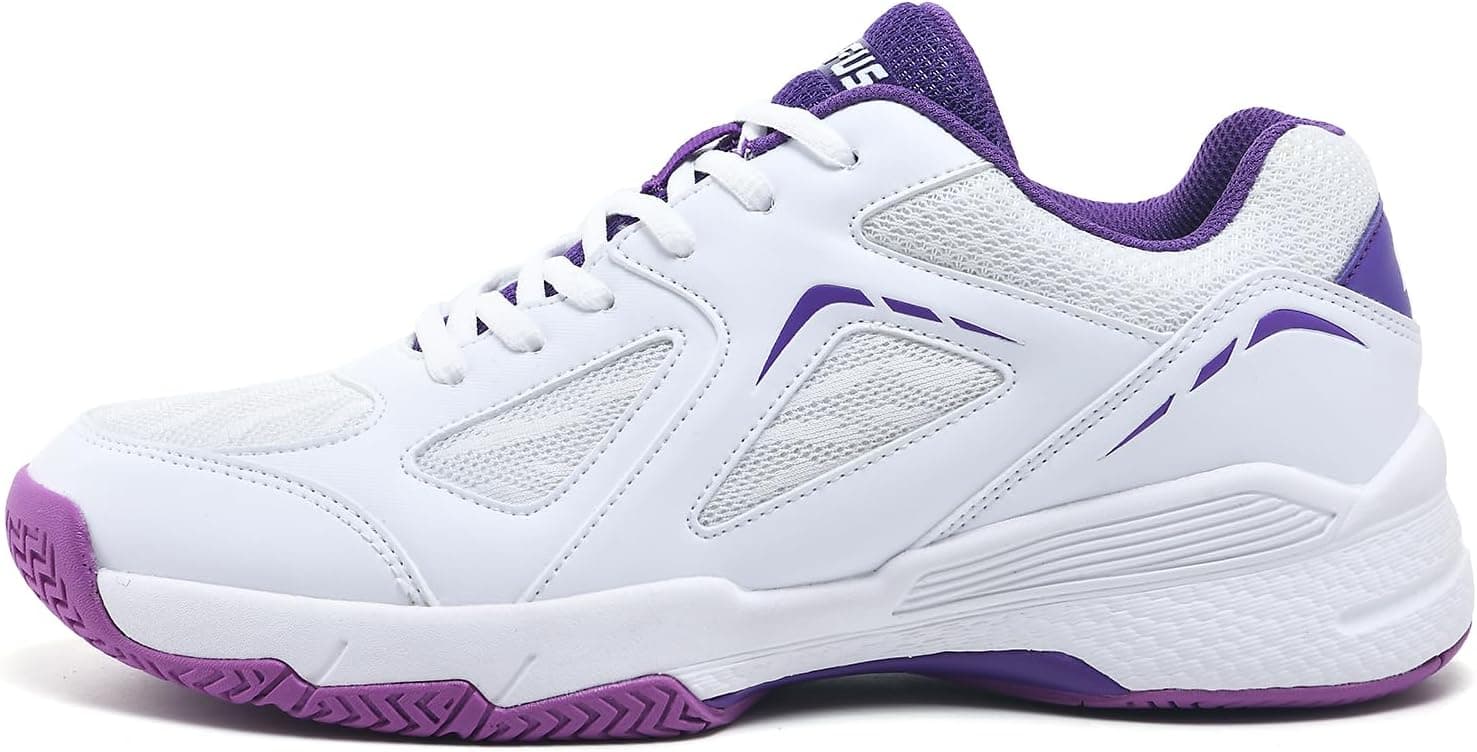
Shoes are one of the most overlooked pieces of pickleball gear, yet they may be the most important for your safety and performance. Pickleball involves constant quick stops, starts, and side-to-side movement, and the wrong footwear can lead to slips, rolled ankles, and nagging injuries. Choosing the right pair protects your body and improves your footwork on the court.
Products from this article
The highest-scoring picks from the buying guides this article links to. Scores are our editorial assessment, not customer ratings.
+ Arch Fit support helps reduce foot fatigue and arch strain
From our guide: Best Pickleball Shoes For Women
+ InfiniGrip polyurethane outsole is stated to be up to 40% more abrasion-resistant than traditional rubber
From our guide: Best Pickleball Shoes
+ Listed at only 11 oz, with a supportive upper, secure heel and stable midfoot for fast direction changes
From our guide: Best Pickleball Shoes For Men
+ Wide fit gives room for bunions and broad forefeet
From our guide: Best Pickleball Shoes For Women
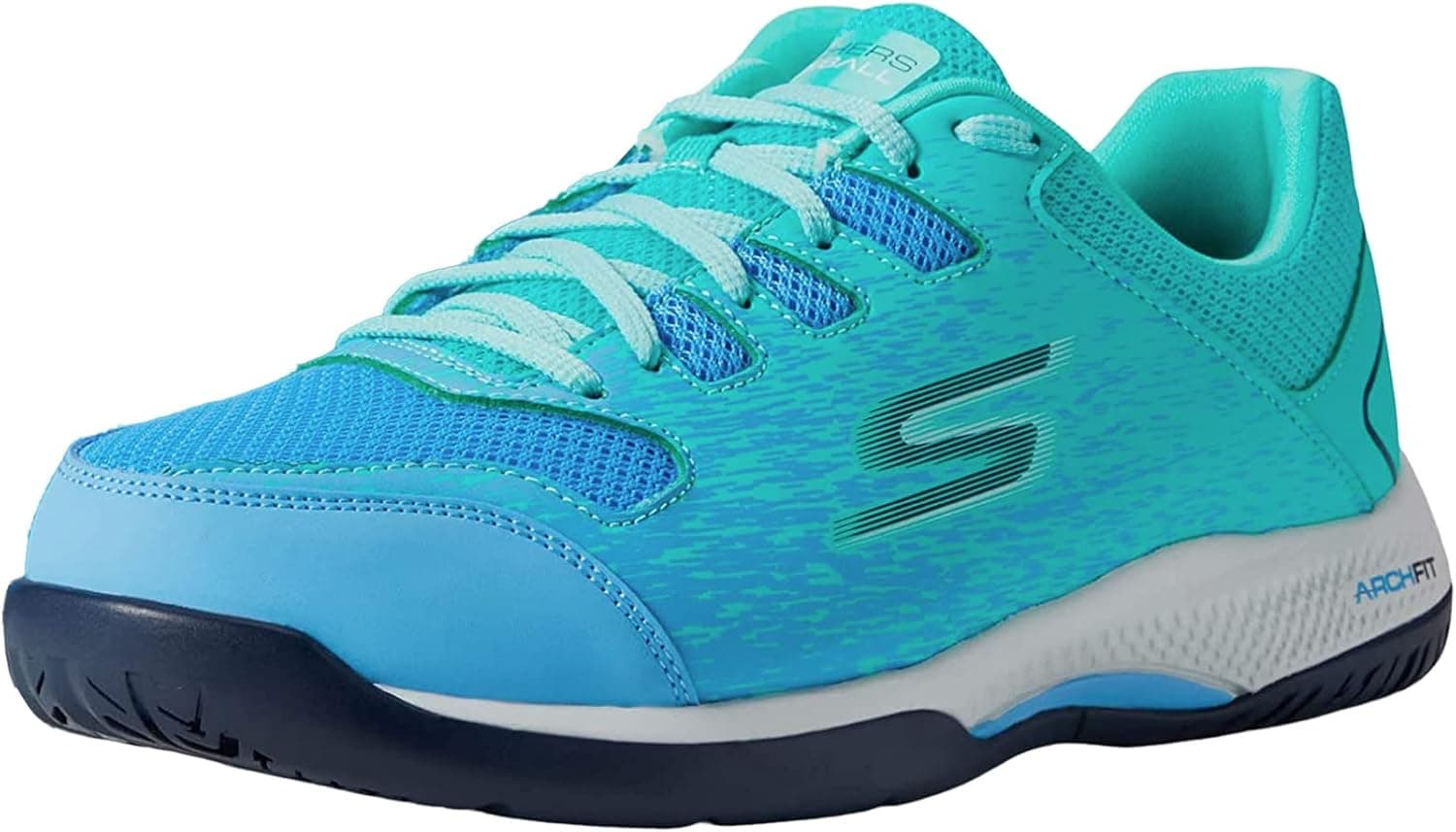
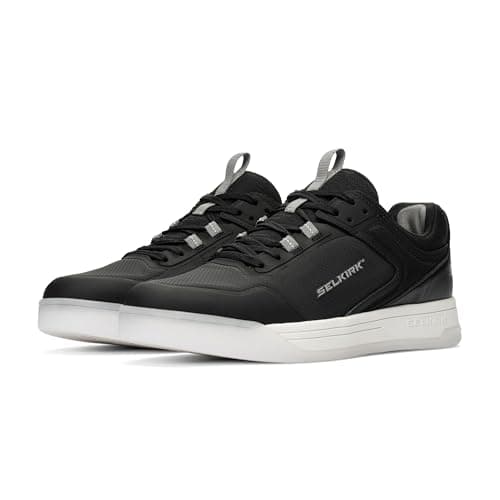
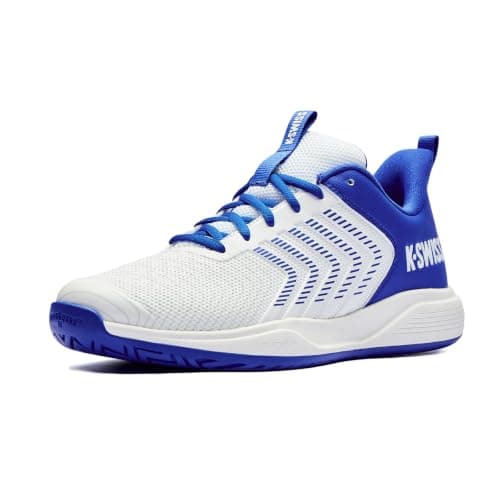
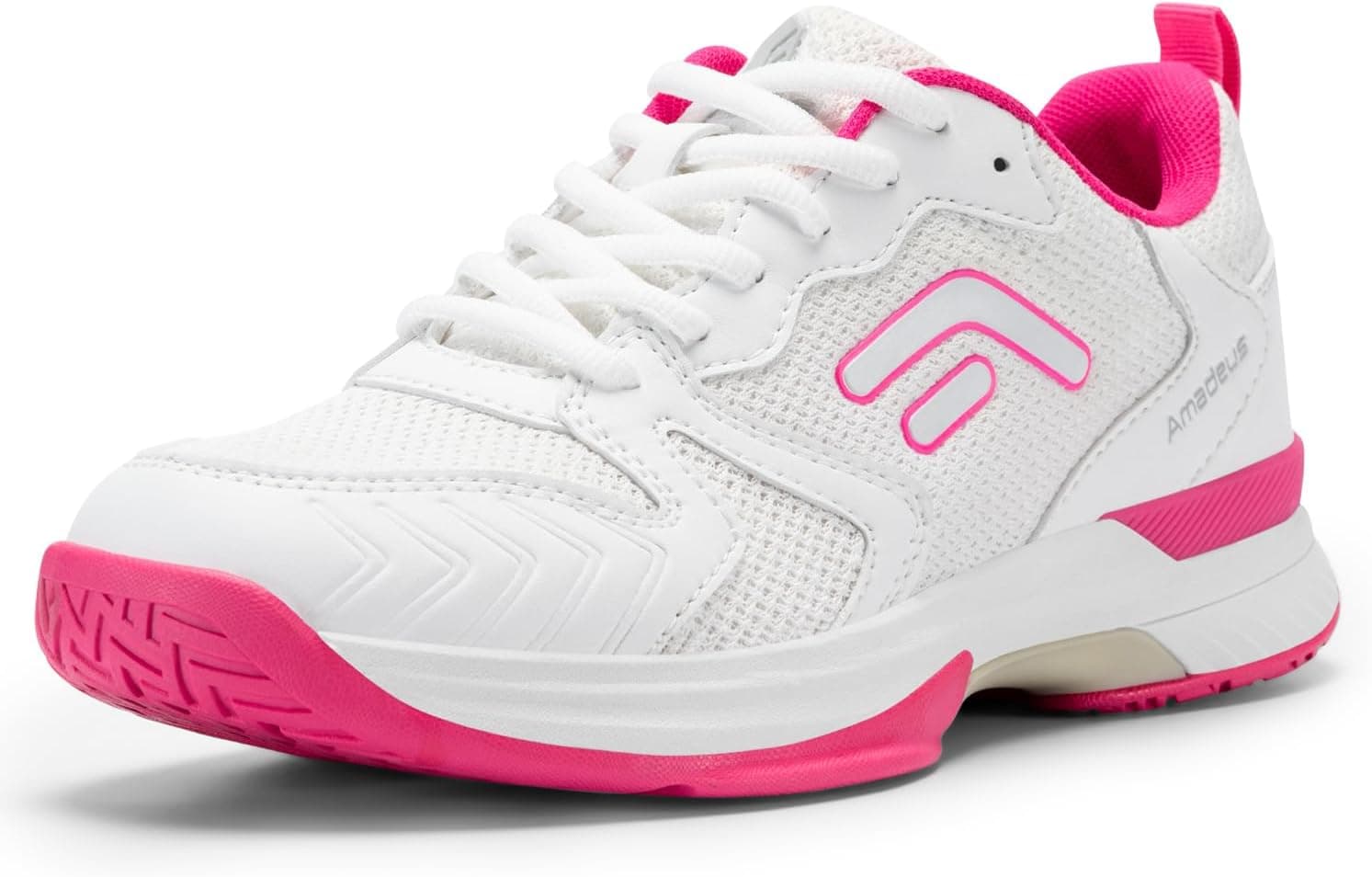
The first rule is to avoid running shoes. Running shoes are engineered for forward, heel-to-toe motion, with soft, elevated cushioning that becomes unstable during the lateral movement pickleball demands. When you push off sideways in a running shoe, your foot can roll over the edge of the sole, inviting ankle injuries. Court shoes are built specifically to handle this side-to-side stress safely.
Lateral support is the feature that matters most. Look for court shoes, whether marketed for tennis or pickleball, that have reinforced sidewalls and a lower, stable platform that keeps your foot planted during sharp direction changes. A supportive upper that holds your foot securely prevents it from sliding inside the shoe when you cut and pivot, which is where many injuries begin.
Traction and outsole design should match your playing surface. Outdoor courts made of concrete or asphalt demand durable outsoles with a more aggressive tread that grips textured surfaces and resists wear. Indoor courts, whether hardwood or sport tile, call for non-marking outsoles with a herringbone or similar pattern that provides grip without sticking dangerously. Using outdoor shoes indoors, or vice versa, can leave you slipping or catching.
Fit and comfort deserve careful attention because you will spend hours on your feet. Your shoes should feel snug through the midfoot and heel to lock your foot in place, with a little room in the toe box so your toes are not cramped during forward lunges. Try shoes on later in the day when your feet are slightly swollen, wear your usual athletic socks, and move side to side in the store to test stability.
Durability and cushioning are worth balancing against each other. Pickleball is hard on shoes, especially outdoors, so a durable outsole extends the life of your investment. At the same time, adequate cushioning absorbs the repetitive impact of quick movements and protects your knees and joints, which matters more as you play longer sessions or several times a week. Look for a pair that offers both without feeling bulky or unstable.
Finally, replace your shoes before they are completely worn out. Once the tread is smooth or the support has broken down, traction and stability suffer, raising your injury risk even if the shoes still look fine. Pay attention to how your feet and joints feel after playing, and treat good court shoes as essential equipment rather than an afterthought. Your ankles, knees, and overall game will all thank you for choosing wisely.
Popular right now
- Pickleball Court Dimensions ChartArticle
- Indoor vs Outdoor Pickleball Balls ExplainedArticle
- Best Wooden Pickleball PaddlesBuying guide
- Two-bounce rule explainedGlossary
- Dink explainedGlossary
- How to Tell if Your Pickleball Paddle Is Dead or Worn OutArticle
Based on the last 28 days of search and visitor data.