How to Add Weight to a Pickleball Paddle
Published How we research
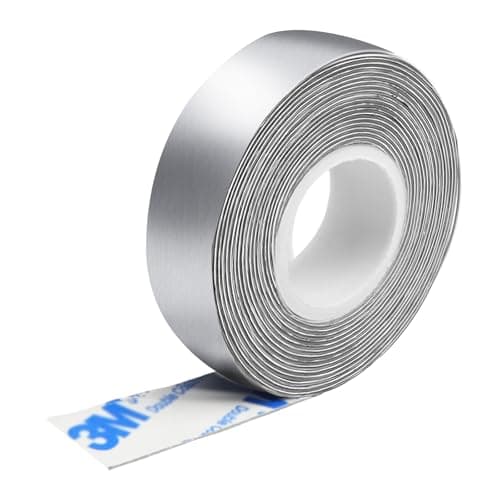
Adding lead or tungsten tape to a paddle increases power and stability by adding mass, at the cost of some maneuverability. Placement matters: tape near the throat adds solidity without much swing change, tape at three and nine o'clock boosts twist-resistance and sweet spot, and tape at twelve o'clock adds the most power but the most swing weight. Start with small symmetric increments, around half a gram per side, clean the paddle first, and secure the tape with clear packing tape or an edge guard. Tune by feel and track your final configuration so you can recreate it. Adding weight to a paddle is one of the cheapest and most effective ways to customize your equipment, yet many recreational players never try it. A few grams of tape in the right spot can turn a paddle that feels twitchy and underpowered into one that plows through the ball with stability. The technique, called adding lead or tungsten tape, is borrowed from tennis and is completely legal for regular play. Once you understand where weight goes and what it does, you can tune a stock paddle to your exact preferences.
Products from this article
The highest-scoring picks from the buying guides this article links to. Scores are our editorial assessment, not customer ratings.
+ 60 inch length provides plenty of tape for repeated experiments
From our guide: Best Pickleball Lead Tape
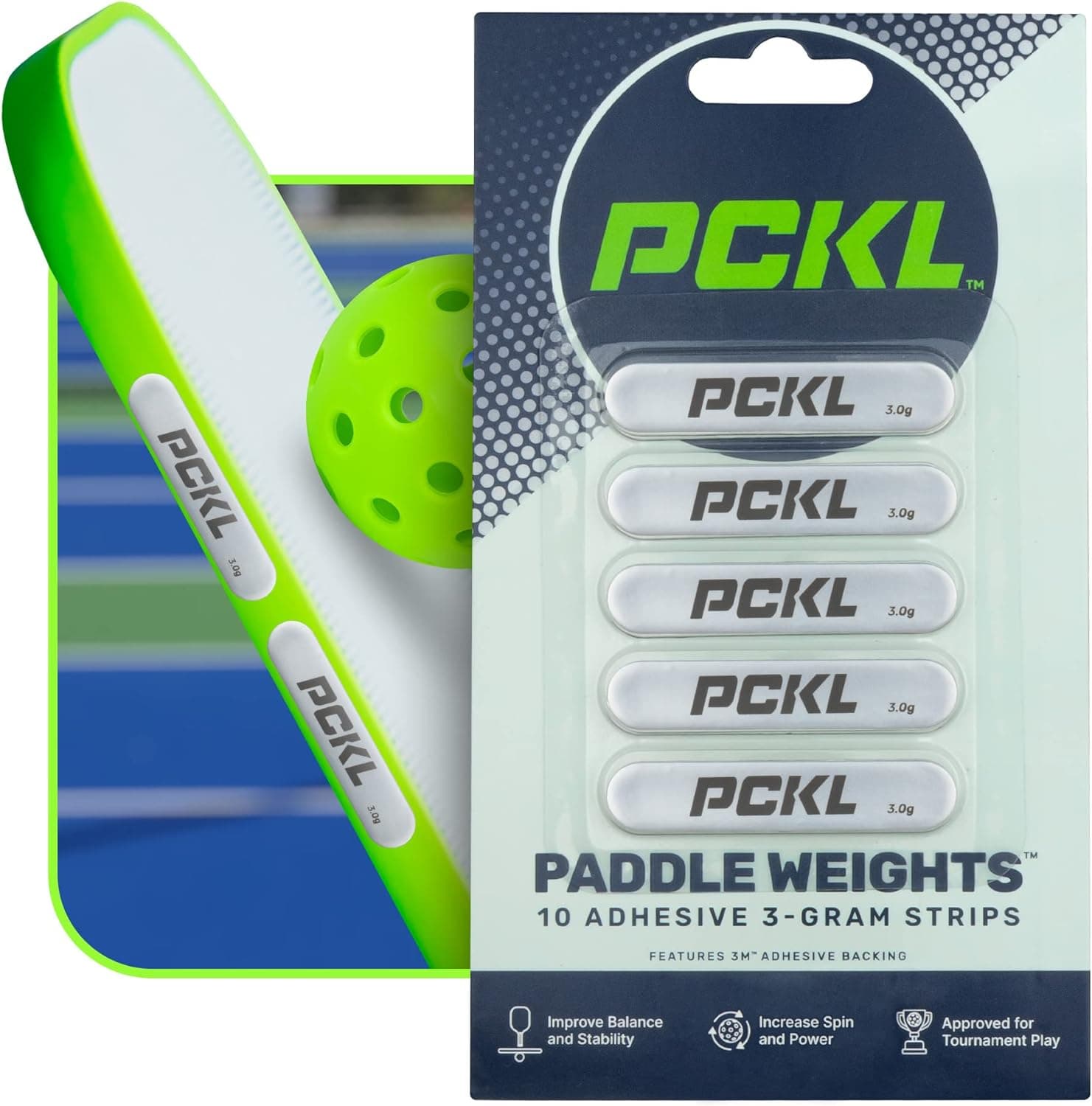
+ 10 pre cut 3g strips remove the need for measuring and cutting
From our guide: Best Pickleball Paddle Weights
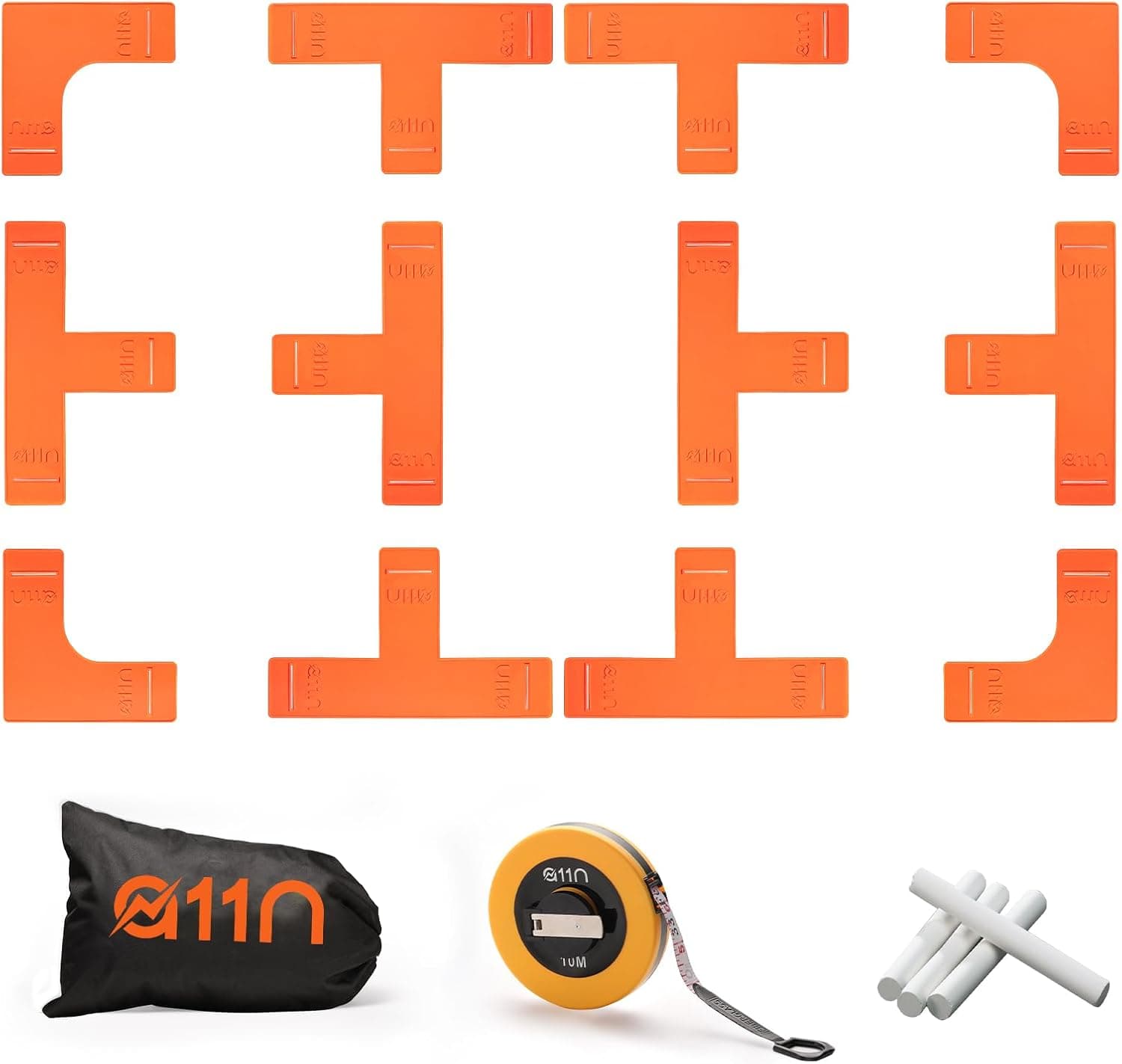
+ 33ft tape measure makes accurate court layout much easier
From our guide: Best Pickleball Court Marker Kits
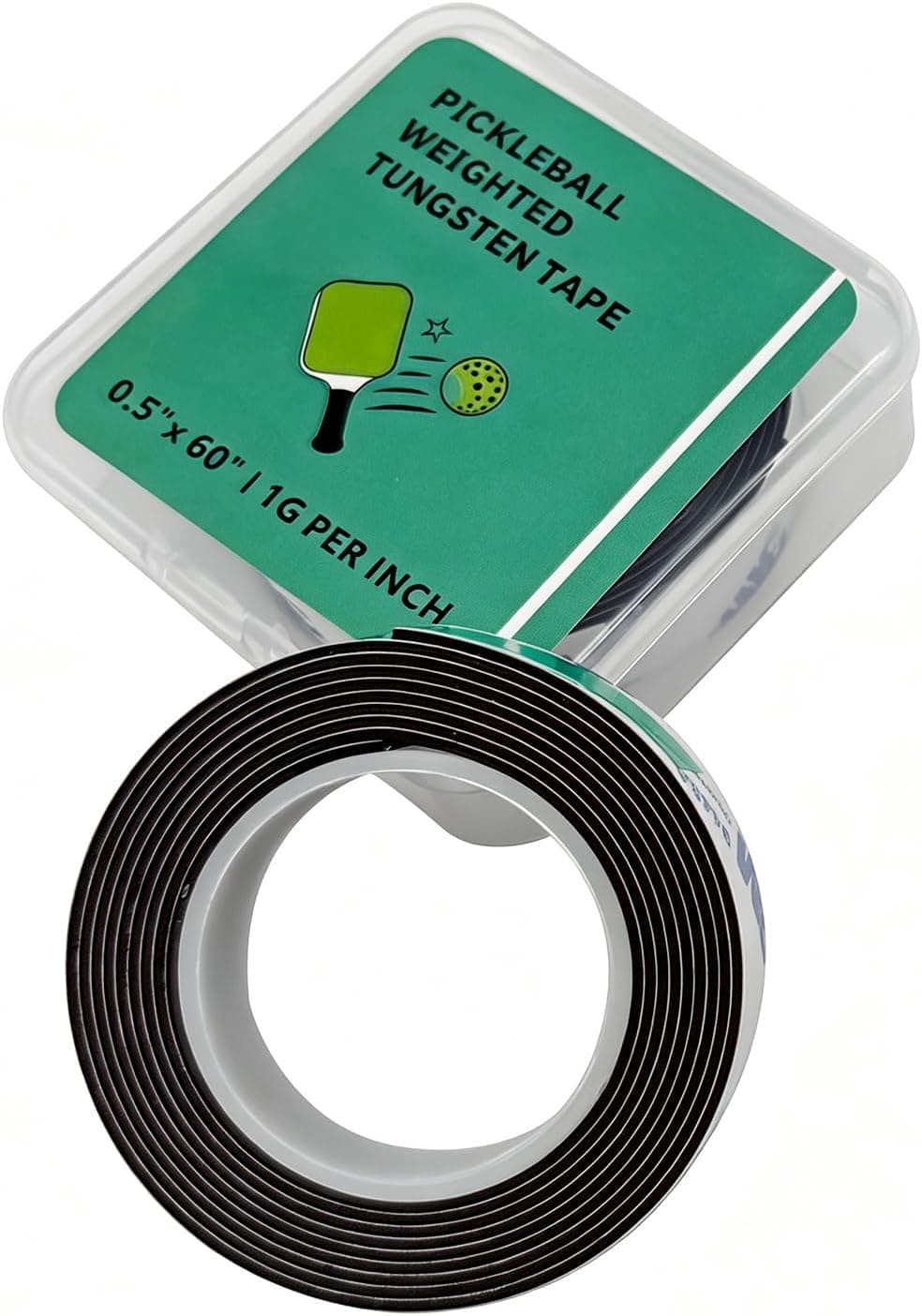
+ 1 gram per inch makes weight changes easy to track
From our guide: Best Pickleball Lead Tape
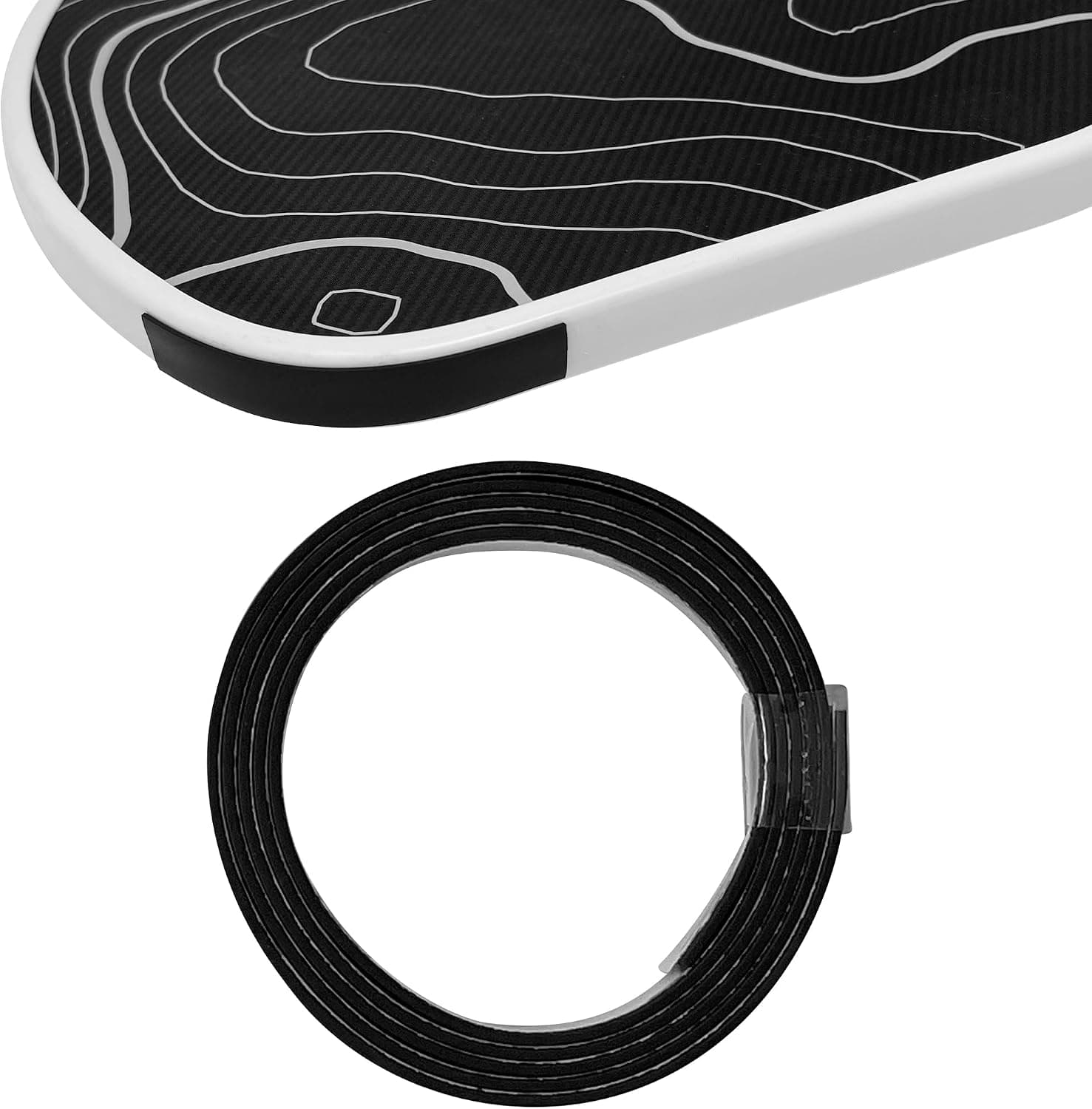
What added weight actually gives you
First, understand what added weight actually gives you. More mass means the paddle carries more momentum into contact, so the ball comes off faster for the same swing. Weight also increases stability, meaning off-center hits twist the paddle less and stay closer to your intended target. The cost is maneuverability: a heavier paddle is slower to reposition in fast net exchanges and more tiring over a long session. The goal of tuning is to find the point where you gain power and stability without losing the quickness your game depends on.
Where you place the weight matters most
Where you place the weight matters as much as how much you add. Tape near the throat, just above the handle, adds mass without dramatically changing how the paddle swings; it makes the paddle feel more solid and planted while staying quick. Tape along the sides at the three and nine o'clock positions boosts the twist-resistance of the face, expanding the effective sweet spot and calming down mishits. Tape near the top at twelve o'clock adds the most power and reach but also makes the paddle feel heaviest in the swing, so use it sparingly.
Start with small, symmetric increments
A sensible starting method is to work in small, symmetric increments. Cut two matching strips of tape, often half a gram each, and place one on each side at three and nine o'clock. Play a few points, notice how the paddle feels, and add more only if you want additional stability. Keeping the tape symmetric left to right is important so the paddle does not develop a lopsided balance that pulls your shots. Most players find their sweet spot somewhere between two and eight grams of total added weight.
Use the right materials and apply them cleanly
Use the right materials and apply them cleanly. Lead tape works and is dense, but many players now prefer tungsten tape because it is non-toxic and safer to handle, especially since you touch your paddle and then your food and face during play. Clean the paddle edge or face with rubbing alcohol first so the tape adheres, apply it in the chosen position, then cover it with a strip of clear packing tape or the edge guard to keep it secure and sealed. Press firmly and let it set before playing.
Tune by feel, not by numbers alone
Tune by feel, not by numbers alone. After each change, hit dinks, drives, and serves, and pay attention to three things: does the ball feel like it comes off with more authority, do mishits stay on target, and can you still get the paddle up in time during quick hands battles at the net. If your reactions start feeling late, you have added too much and should peel some off. The best configuration is personal and often changes as your game develops.
Record your configuration once you like it
A final tip: mark your configuration once you like it. Note how many grams you used and exactly where, so if the tape peels off or you buy the same paddle again, you can recreate the setup in minutes. Weighting a paddle is not a one-time experiment but an ongoing dial you can adjust as your strength, style, and preferences evolve. For the price of a roll of tape, you get a paddle tuned specifically to you, which is something no off-the-shelf model can offer.
Frequently asked questions
Where should I add weight to a pickleball paddle? Tape near the throat adds solid mass without changing the swing much, tape at three and nine o'clock boosts stability and sweet spot, and tape at twelve o'clock adds the most power but the most swing weight.
How much weight should I add to a pickleball paddle? Most players find their sweet spot between two and eight grams of total added weight, built up in small symmetric increments of about half a gram per side.
Is lead tape or tungsten tape better for a pickleball paddle? Tungsten tape is generally preferred because it is non-toxic and safer to handle, which matters since you touch your paddle and then your food and face during play.
Is adding weight to a pickleball paddle legal? Yes, it is a legal and common customization technique borrowed from tennis, used for regular recreational and competitive play.
Popular right now
- Pickleball Court Dimensions ChartArticle
- Indoor vs Outdoor Pickleball Balls ExplainedArticle
- Best Wooden Pickleball PaddlesBuying guide
- Two-bounce rule explainedGlossary
- Dink explainedGlossary
- How to Tell if Your Pickleball Paddle Is Dead or Worn OutArticle
Based on the last 28 days of search and visitor data.