Singles vs Doubles Pickleball
Published How we research
Pickleball can be played as singles or doubles, and while the court and basic rules stay the same, the two formats feel like distinct sports. Understanding the differences helps you choose the right game for your goals, whether that is a hard workout, a social afternoon, or sharpening a specific part of your game. Both are rewarding, but they demand different things from you.
Products from this article
The highest-scoring picks from the buying guides this article links to. Scores are our editorial assessment, not customer ratings.
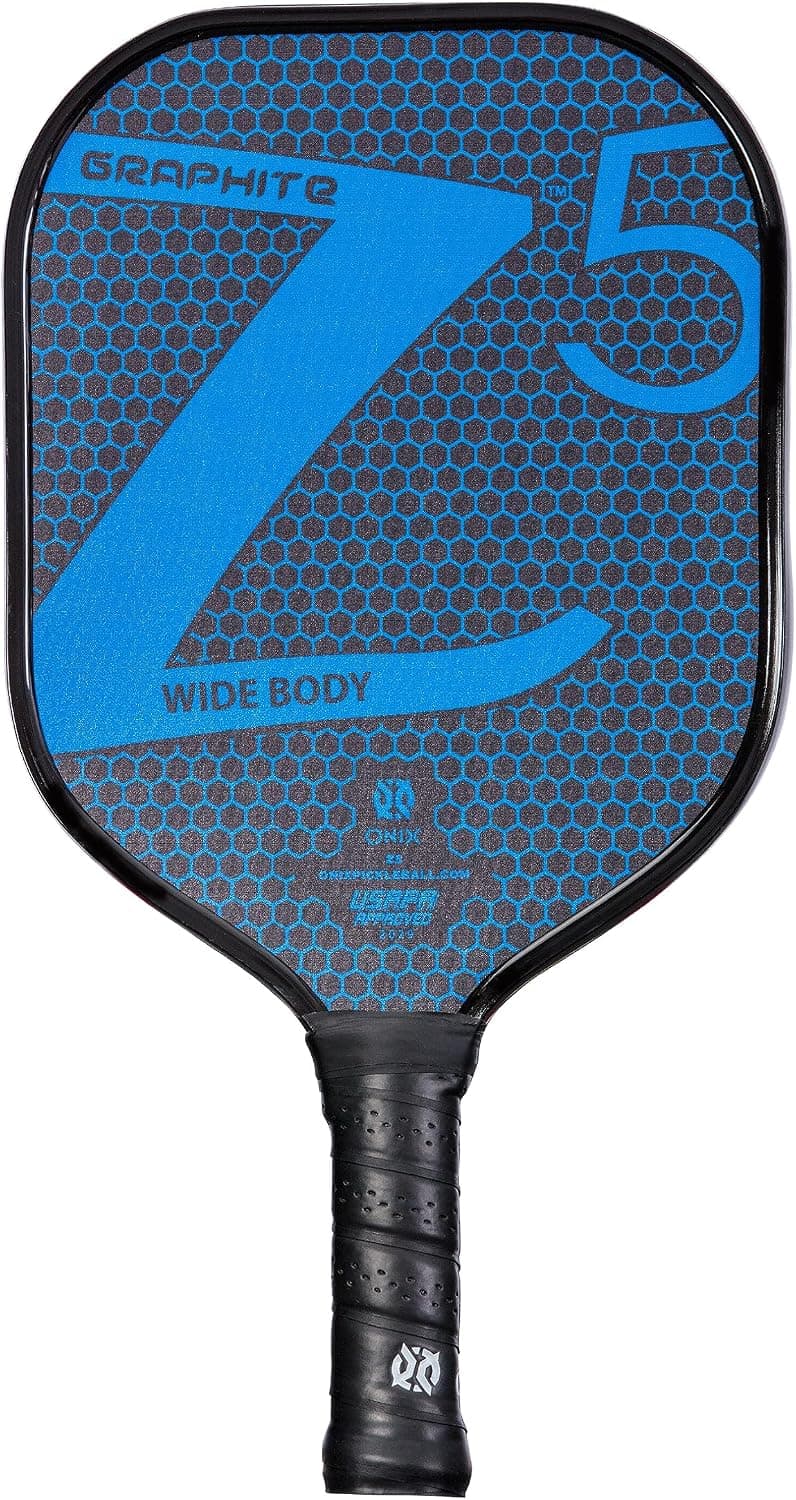
+ Nomex honeycomb core is firm and loud, giving a quick, powerful rebound
From our guide: Best Graphite Pickleball Paddles
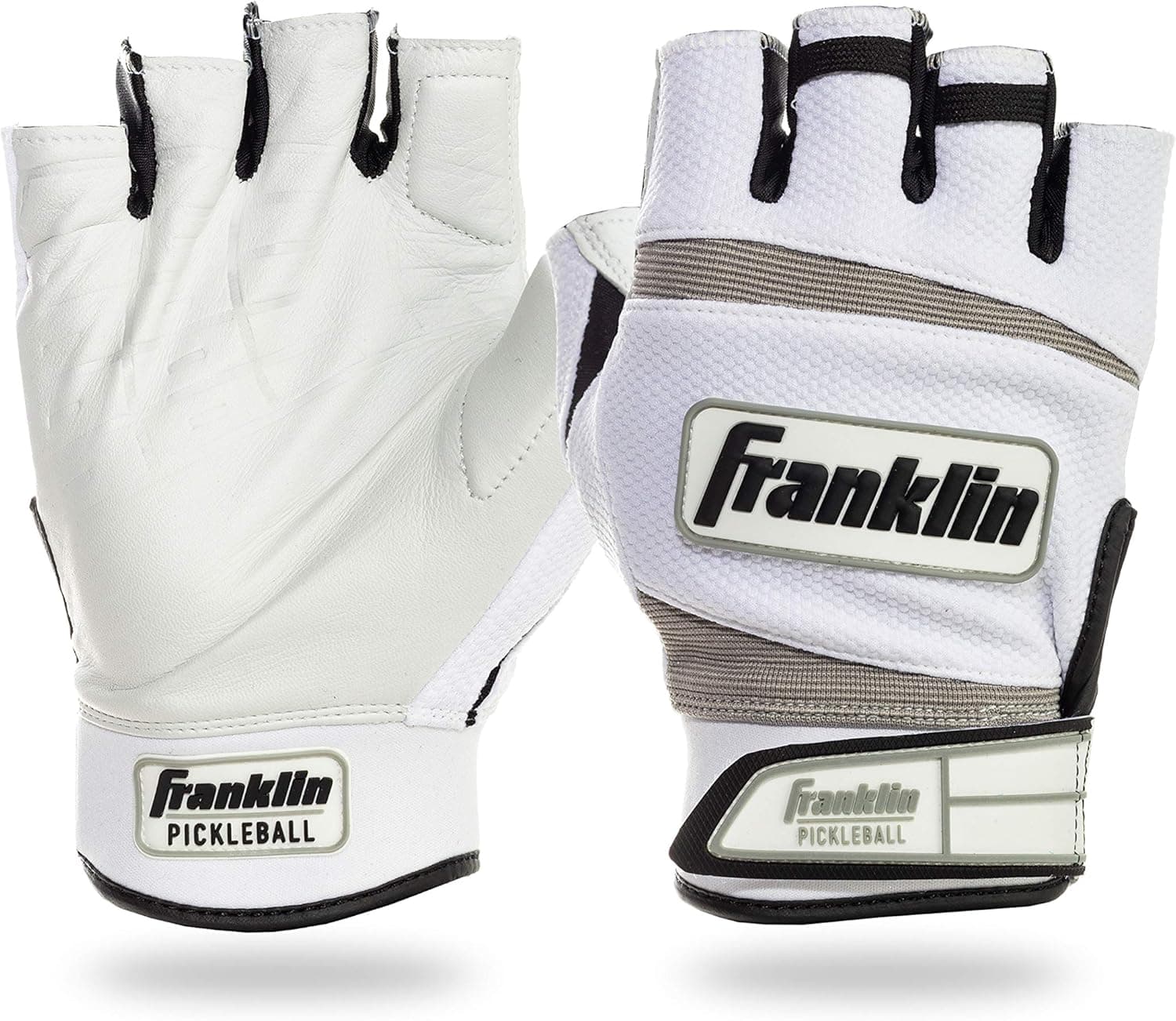
+ Right and left hand options suit players of either handedness
From our guide: Best Pickleball Gloves
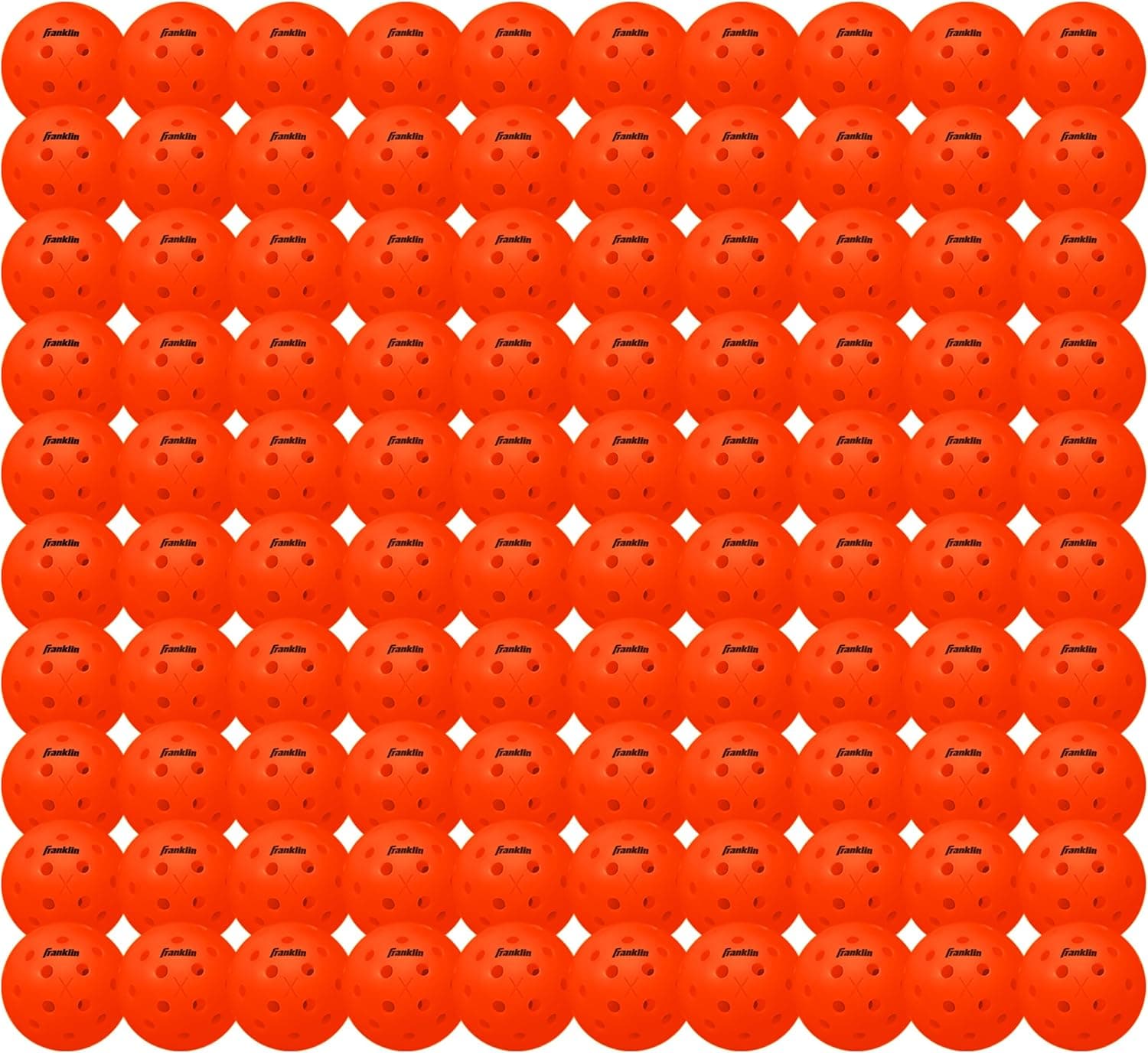
+ X-40 is the official US Open ball, so practice mirrors top event conditions
From our guide: Best Outdoor Pickleball Balls
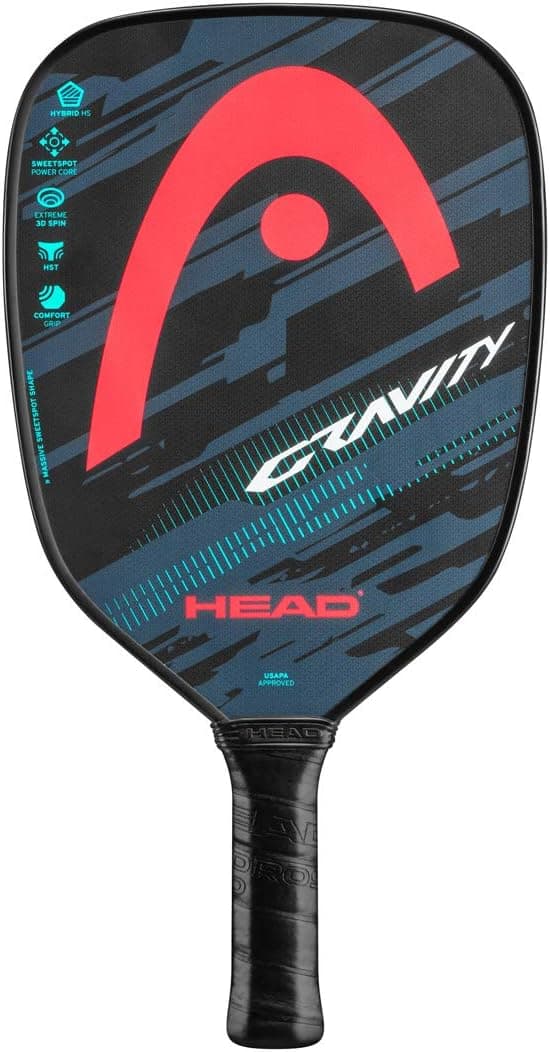
+ Power core design is tuned to add pace on drives and overheads
From our guide: Best Graphite Pickleball Paddles
Doubles is by far the most popular format, and for good reason. With four players on the court, each person covers less ground, which makes it more accessible, more social, and easier on the body. Doubles rewards teamwork, communication, and finesse, especially the soft dinking game at the kitchen line. It is the format most recreational players learn first and continue to play for years.
Singles, by contrast, is a demanding, athletic test. With only one player per side, you are responsible for the entire court, which means far more running, faster recovery, and higher stamina requirements. Points tend to be more about placement, speed, and forcing your opponent to move. If you want a cardio-heavy workout and enjoy relying only on yourself, singles delivers.
Strategy diverges sharply between the two. In doubles, the winning pair typically controls the kitchen line together, patiently trading dinks and waiting for an opening to attack. Positioning and partner coordination matter enormously. In singles, the emphasis shifts toward deep serves, aggressive returns, and moving your opponent side to side to open up the court. The soft game still exists in singles but plays a smaller role.
Serving and court coverage also differ in practice. In singles, your serve and return become weapons because a strong, deep serve immediately pressures a lone opponent. You will also spend more time near the baseline than in doubles, since covering passing shots requires you to defend more court. Doubles players spend more time at the net, where quick hands and reflex volleys decide exchanges.
Fitness and injury considerations are worth weighing. Singles is more physically punishing, involving sprinting, sharp changes of direction, and sustained effort, so it suits players with a solid fitness base and healthy joints. Doubles is gentler and more sustainable for a wider range of ages and abilities, which is a big reason the sport has grown so broadly. Neither is better; they simply serve different needs.
So which should you play? If you want a social, strategic, lower-impact game with a strong community feel, doubles is the natural home and where most of the sport lives. If you crave an intense workout and enjoy the pressure of carrying every point yourself, singles will challenge and reward you. Many players enjoy both, using singles to build fitness and reflexes and doubles to refine touch and teamwork. Try each format and let your body and your goals guide the mix.
Popular right now
- Pickleball Court Dimensions ChartArticle
- Indoor vs Outdoor Pickleball Balls ExplainedArticle
- Best Wooden Pickleball PaddlesBuying guide
- Two-bounce rule explainedGlossary
- Dink explainedGlossary
- How to Tell if Your Pickleball Paddle Is Dead or Worn OutArticle
Based on the last 28 days of search and visitor data.