Pickleball Strategy Tips
Published How we research
Pickleball is a thinking player's game, and smart strategy often beats raw power. Once you have the basic strokes, learning where to hit, when to attack, and how to move as a team will win you far more points than trying to overpower opponents. These strategy tips apply to players of every level looking to play more intelligently.
Products from this article
The highest-scoring picks from the buying guides this article links to. Scores are our editorial assessment, not customer ratings.
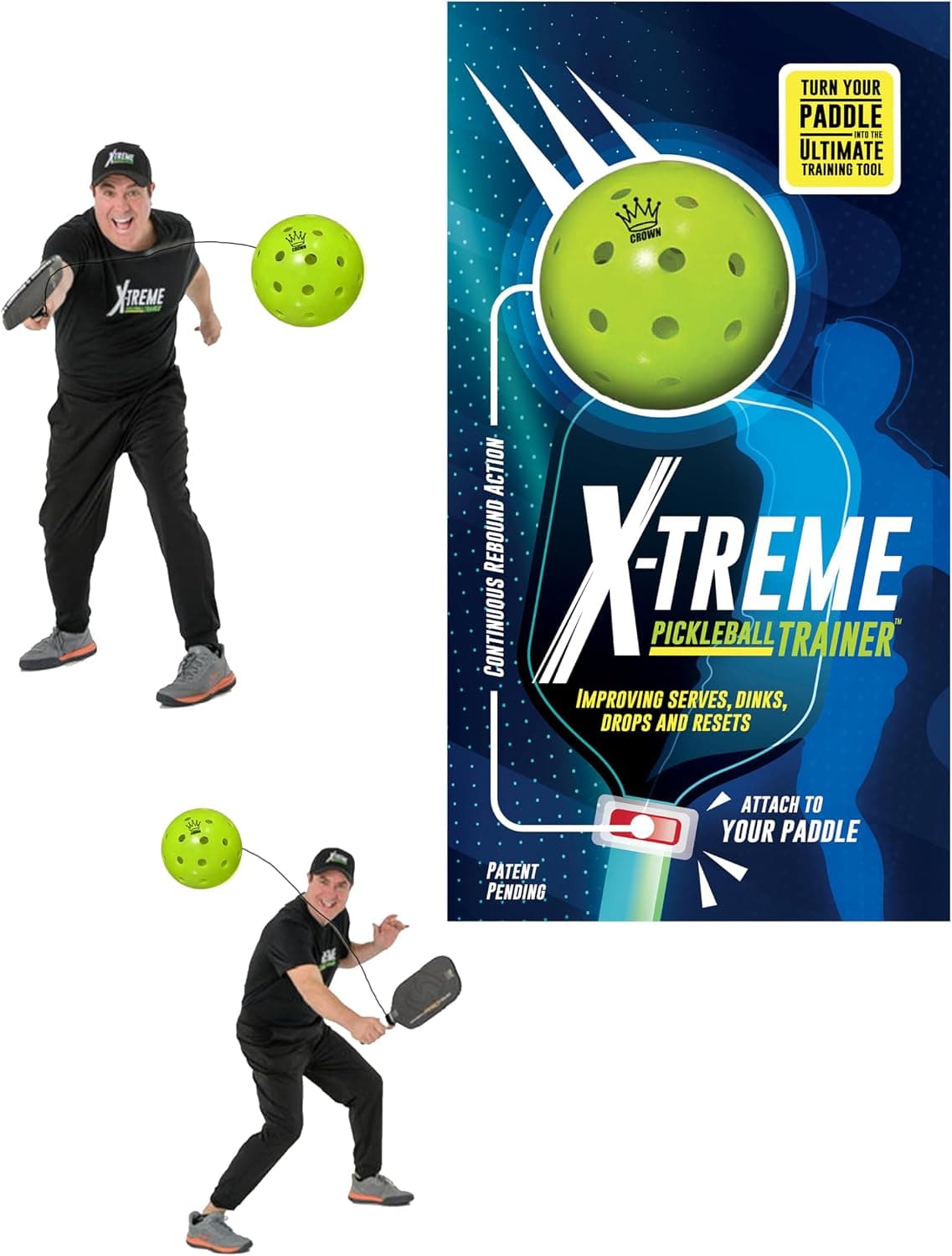
+ Portable rebounder lets you practice alone in a driveway or garage
From our guide: Best Pickleball Training Aids
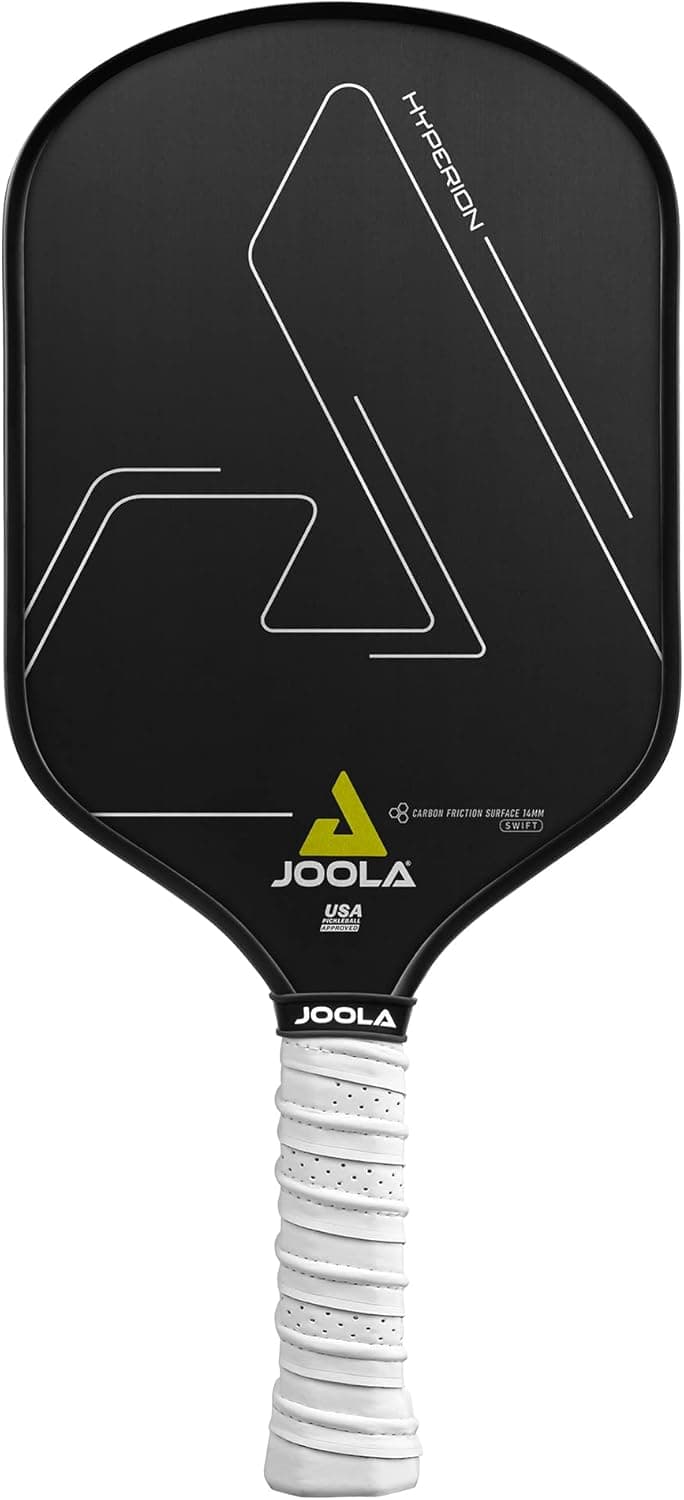
+ 14mm core gives a quicker, poppier response for drives and firefights at the net
From our guide: Best Pickleball Paddles
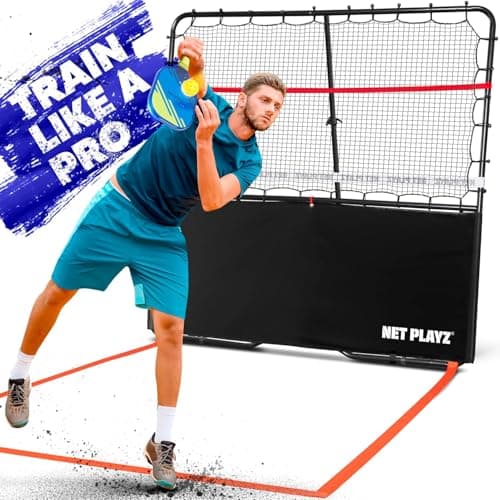
+ Fixed white webbing simulates a 3 ft net height, and an adjustable red webbing zone gives a target to aim at
From our guide: Best Pickleball Training Aids
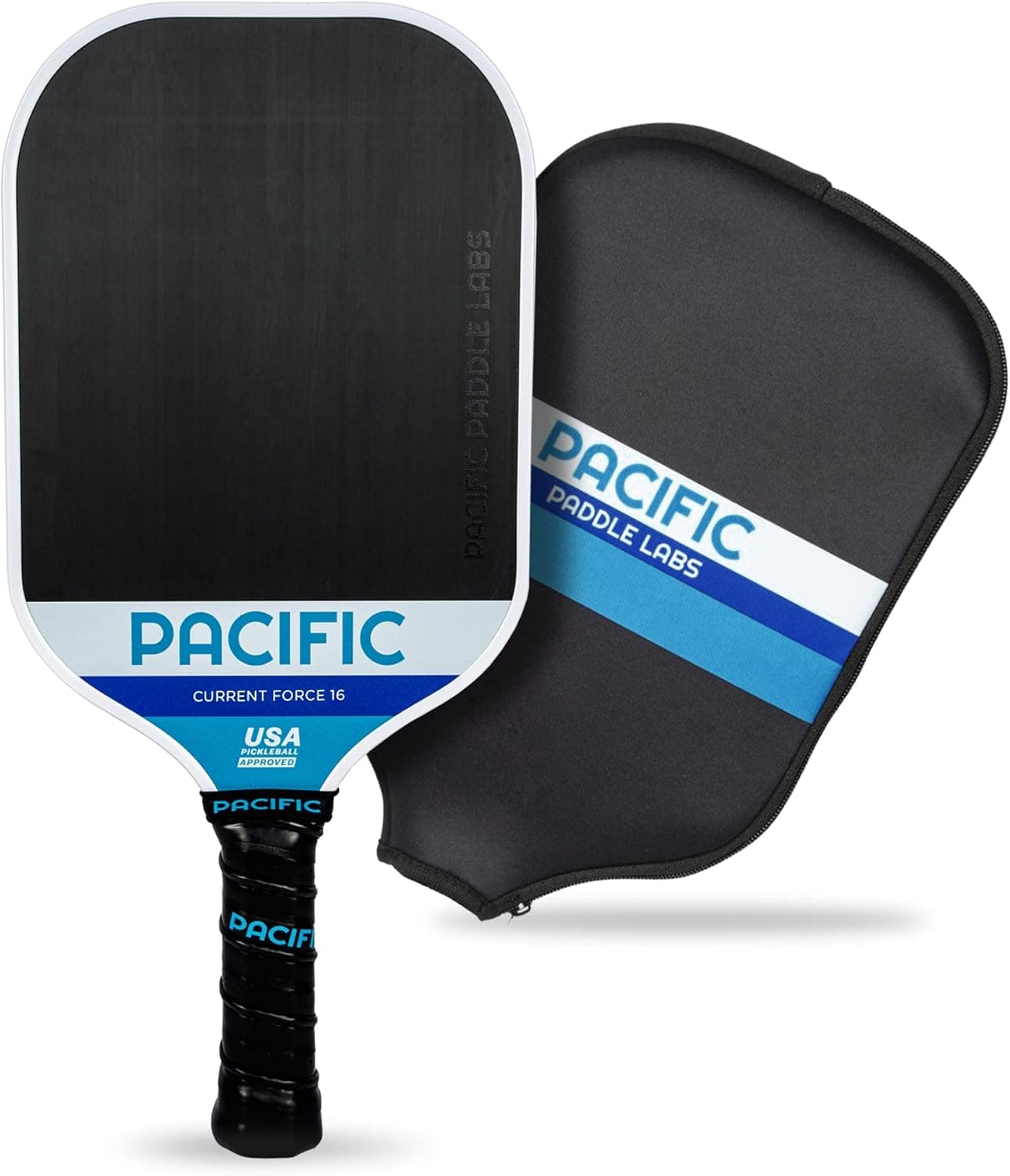
+ 16mm core soaks up pace, which helps with blocks and drop shots from the transition zone
From our guide: Best Pickleball Paddles
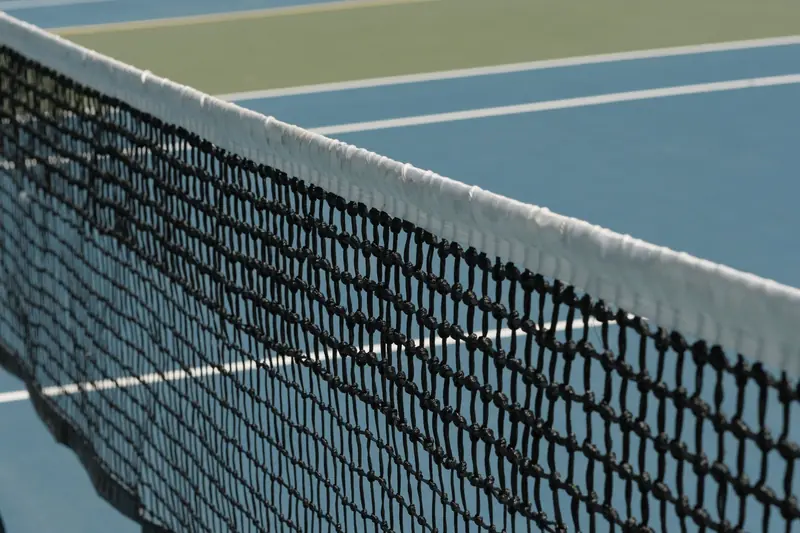
The foundation of good strategy is getting to the kitchen line and controlling it. The team positioned together at the non-volley zone dictates the point, forcing opponents to hit up while you look for chances to attack downward. After every serve and return, your goal should be to advance to the line as a unit. Standing back at the baseline leaves you vulnerable and reactive.
Master the third-shot drop, the shot that lets you transition from defense to offense. After the serve and return, the serving team is stuck at the baseline. A soft third shot that drops into the kitchen takes the pace off and gives you time to move forward. It is difficult at first, but it is arguably the most important strategic shot in doubles, so invest practice time in it.
Target the middle of the court more often than you think. Balls hit down the middle create confusion between doubles partners about who should take the shot, and they reduce the angles your opponents can use to counterattack. When in doubt, hitting through the middle is a high-percentage, low-risk choice that produces errors and hesitation. Save the sharp cross-court angles for when you have a clear opening.
Patience wins pickleball points. The soft dinking game near the kitchen is a waiting game, and the player who rushes to attack a ball that is too low usually pops it up or hits into the net. Resist the urge to speed up the ball unless you get one above net height. Keep dinks low, stay calm, and let your opponent make the first mistake. Discipline is a strategy in itself.
Communication and teamwork are decisive in doubles. Call out balls in the middle, decide who covers lobs, and move together so you never leave a gaping hole in the court. A well-coordinated pair that talks constantly will beat two stronger individuals who play as strangers. Establish simple signals and habits with your partner so decisions happen instantly during fast exchanges.
Finally, learn to read and exploit your opponents. Notice which player has the weaker backhand, who struggles with low balls, and who gets impatient. Aim at the weaker player, keep the ball away from the aggressor, and mix up your pace and spin to disrupt their rhythm. Adjusting your plan based on what you observe, rather than playing the same way every point, is the hallmark of a strategic player who consistently punches above their skill level.
Popular right now
- Pickleball Court Dimensions ChartArticle
- Indoor vs Outdoor Pickleball Balls ExplainedArticle
- Best Wooden Pickleball PaddlesBuying guide
- Two-bounce rule explainedGlossary
- Dink explainedGlossary
- How to Tell if Your Pickleball Paddle Is Dead or Worn OutArticle
Based on the last 28 days of search and visitor data.