How to Stop Your Pickleball Paddle Grip From Slipping
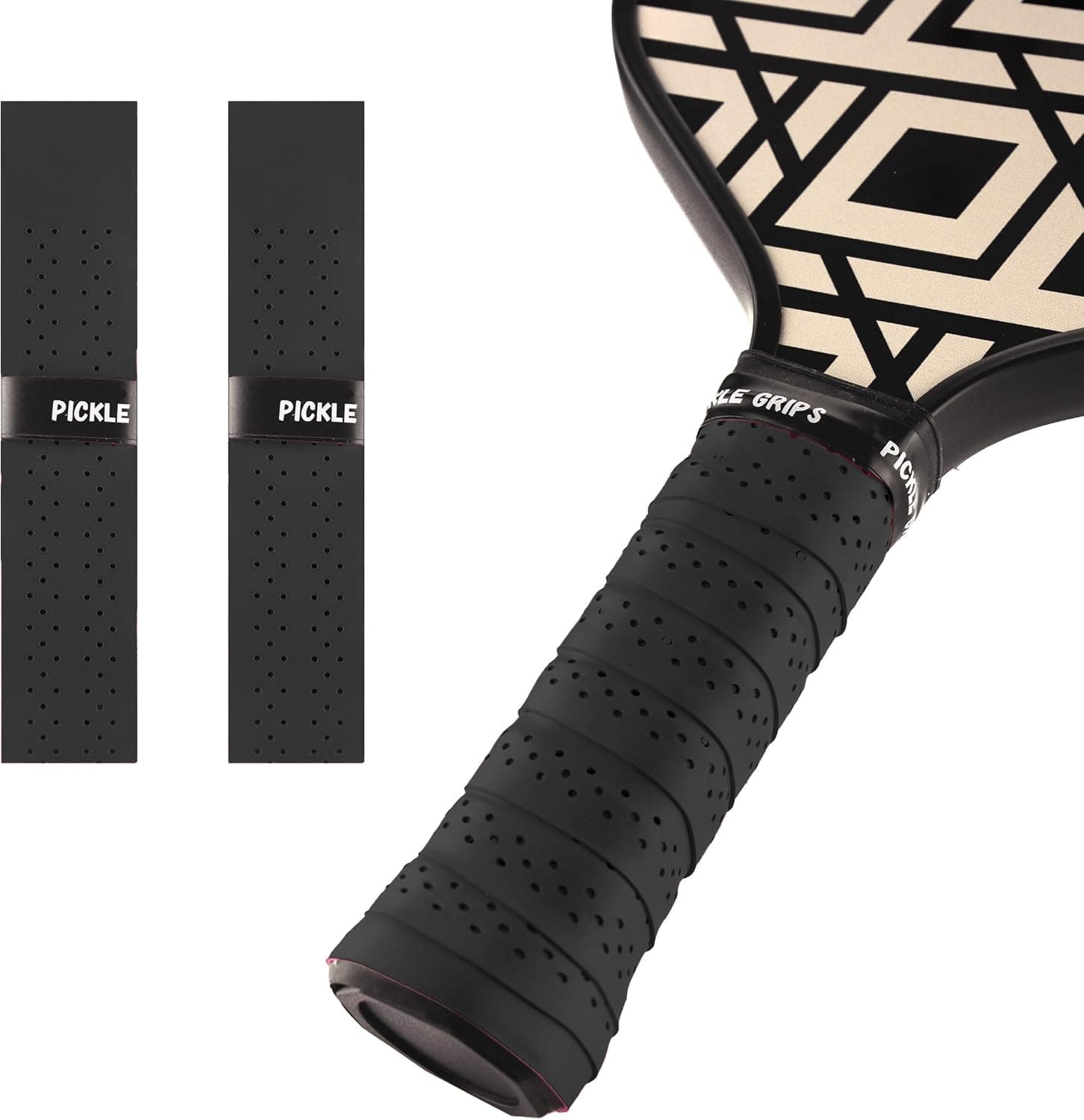
A paddle that twists or slides in your hand during a volley ruins control and often leads to squeezing too hard, which tires the forearm. Sweat, a worn grip and the wrong grip size are the usual causes. Fixing them is inexpensive and can make an immediate difference to consistency at the kitchen line.
Replace a worn grip
Factory grips get smooth, compressed and shiny after weeks of play, especially outdoors in heat. Once the texture is gone, even a slightly damp hand slips.
An overgrip wrapped over the original handle is the cheapest fix and takes a couple of minutes. Replace it as soon as it feels slick or starts tearing, which for frequent players can be every few weeks.
Choose the right overgrip
Tacky overgrips feel sticky and suit players with dry or moderately sweaty hands. Dry-feel overgrips absorb sweat and stay grippy as they get damp, which suits players in humid climates or with very sweaty hands.
Perforated and ridged grips also help channel sweat away. Try a couple of types to see what feels best, since grip feel is highly personal.
Check your grip size
A grip that is too small forces you to squeeze to keep it from rotating, and a grip that is too large makes it hard to control and can also slip. Many players measure from the crease of the palm to the tip of the ring finger to estimate size.
Adding an overgrip increases grip size slightly. If your handle already feels small, an overgrip may improve both comfort and security, while players with smaller hands may prefer to replace the base grip rather than layering.
Manage sweat
Wristbands stop sweat running down your forearm onto your hand, and a small towel in your bag lets you dry your palm between points. Grip-enhancing powders and liquid chalk can help in hot conditions.
Some players use a thin pickleball glove for a consistent hold in heat. Gloves also reduce blisters for players who hold the paddle firmly.
Relax your hold
Holding the paddle too tightly creates more sweat and fatigue, and ironically makes it easier for the paddle to twist on off-centre hits. On a scale of one to ten, many coaches recommend a grip pressure around three to five for most shots.
A secure, non-slip grip allows you to relax your hand while still controlling the paddle face. This also helps reduce strain that can contribute to elbow and wrist discomfort.