Dressing for Hot-Weather Pickleball
Published How we research
Pickleball is often played outdoors on hard courts that soak up sun and radiate heat back at you, which means summer sessions can push your body harder than the score suggests. Dressing correctly is not about looking sporty; it is about regulating temperature, protecting your skin, and staying on court long enough to enjoy the game. A few smart choices in fabric, fit, and accessories make the difference between a fun two hours and an early exit with a pounding headache.
Products from this article
The highest-scoring picks from the buying guides this article links to. Scores are our editorial assessment, not customer ratings.
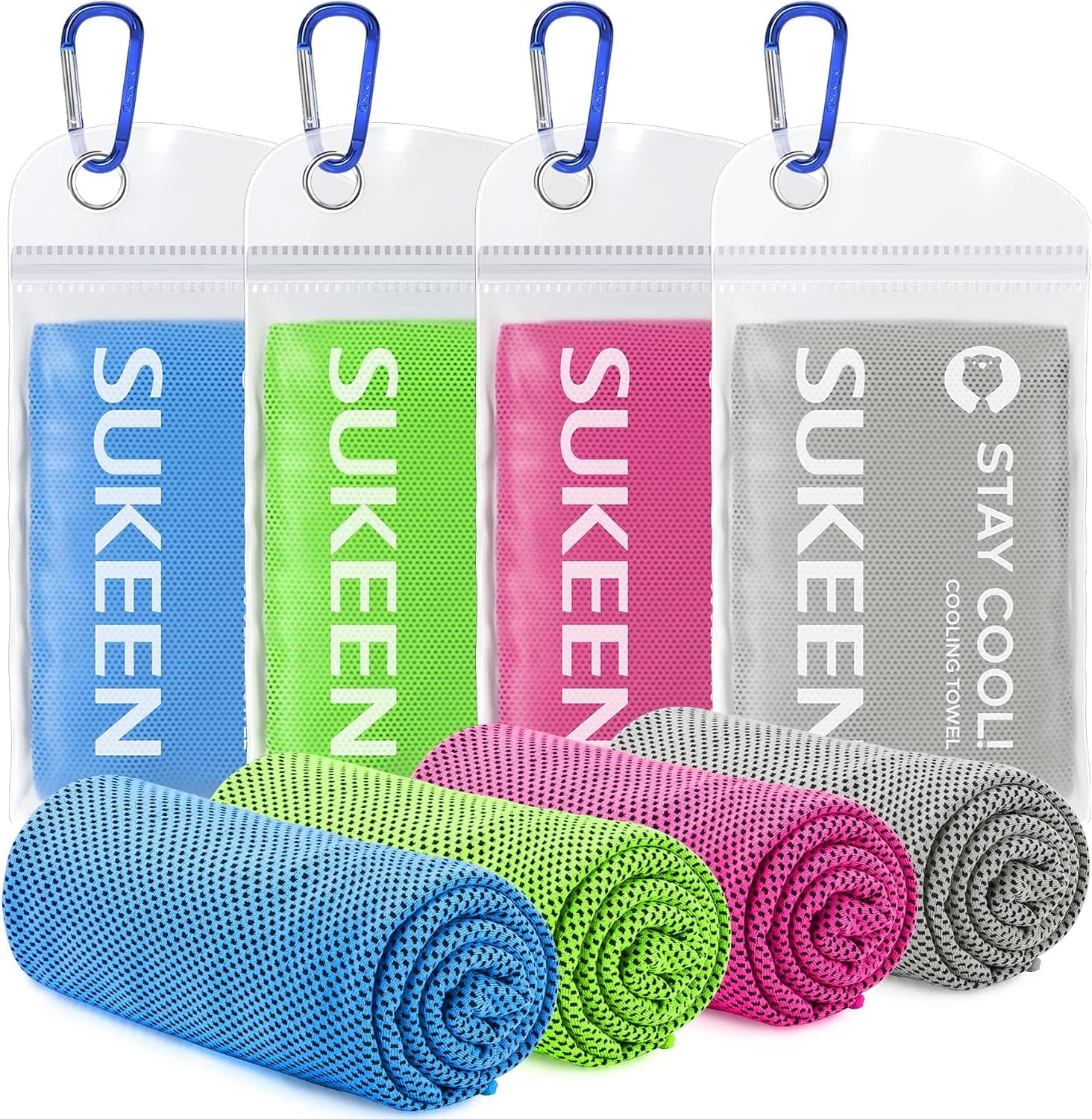
+ 4 pack is enough to share with your doubles partner and opponents
From our guide: Best Pickleball Cooling Towels
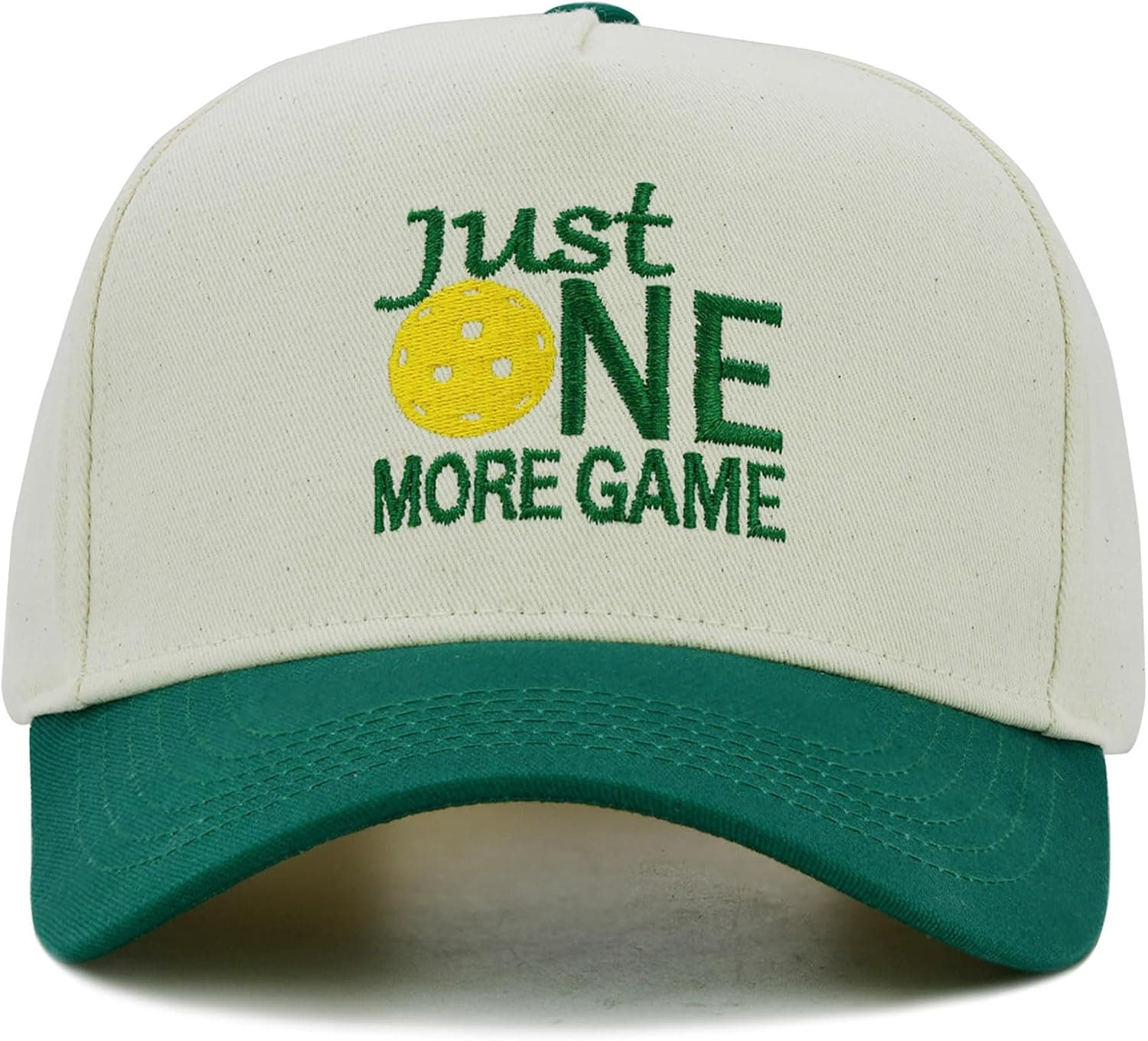
+ Mesh trucker back vents heat during hot outdoor games
From our guide: Best Pickleball Hats
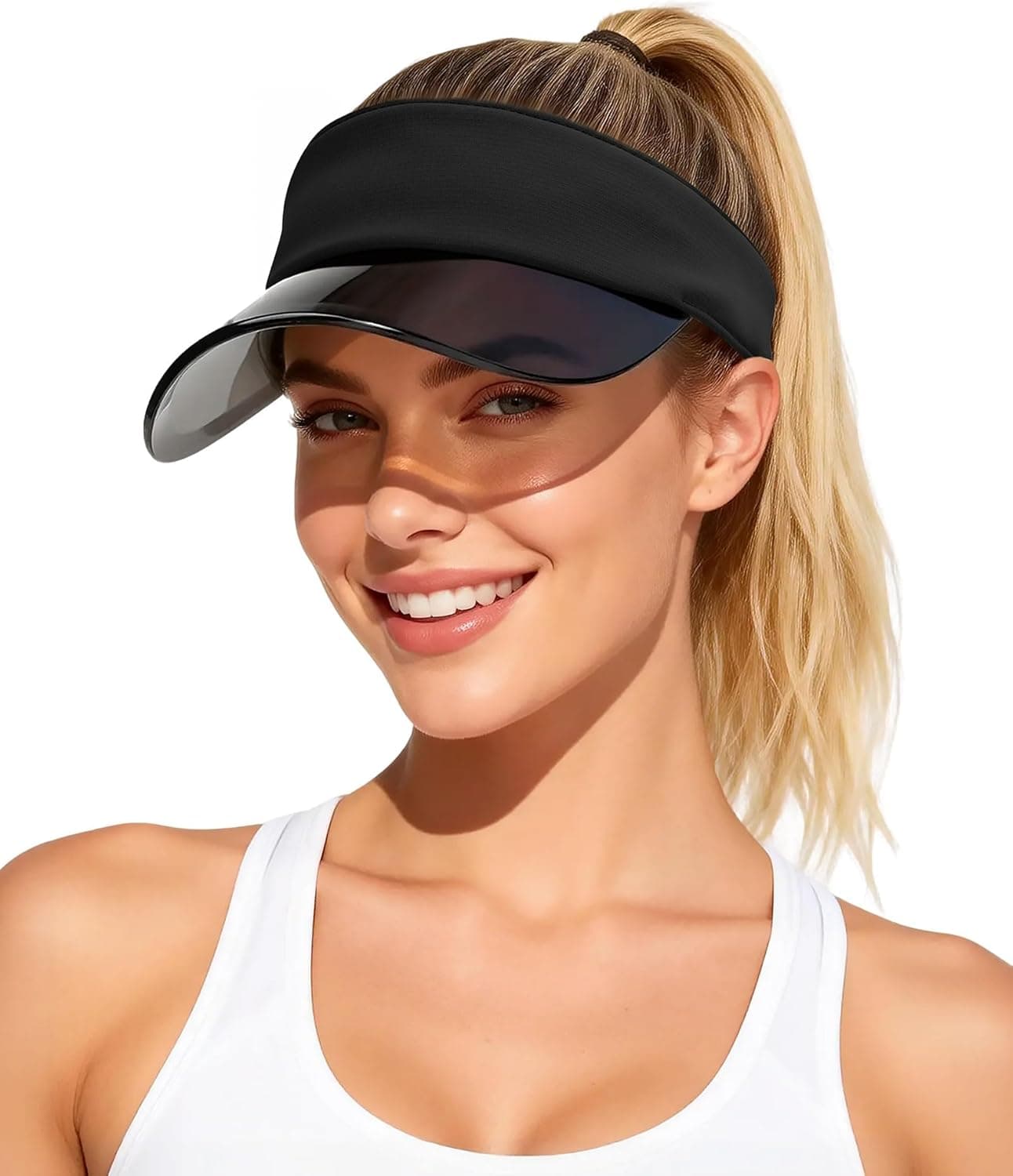
+ Clear brim lets you track high lobs without the brim hiding the ball
From our guide: Best Pickleball Visors
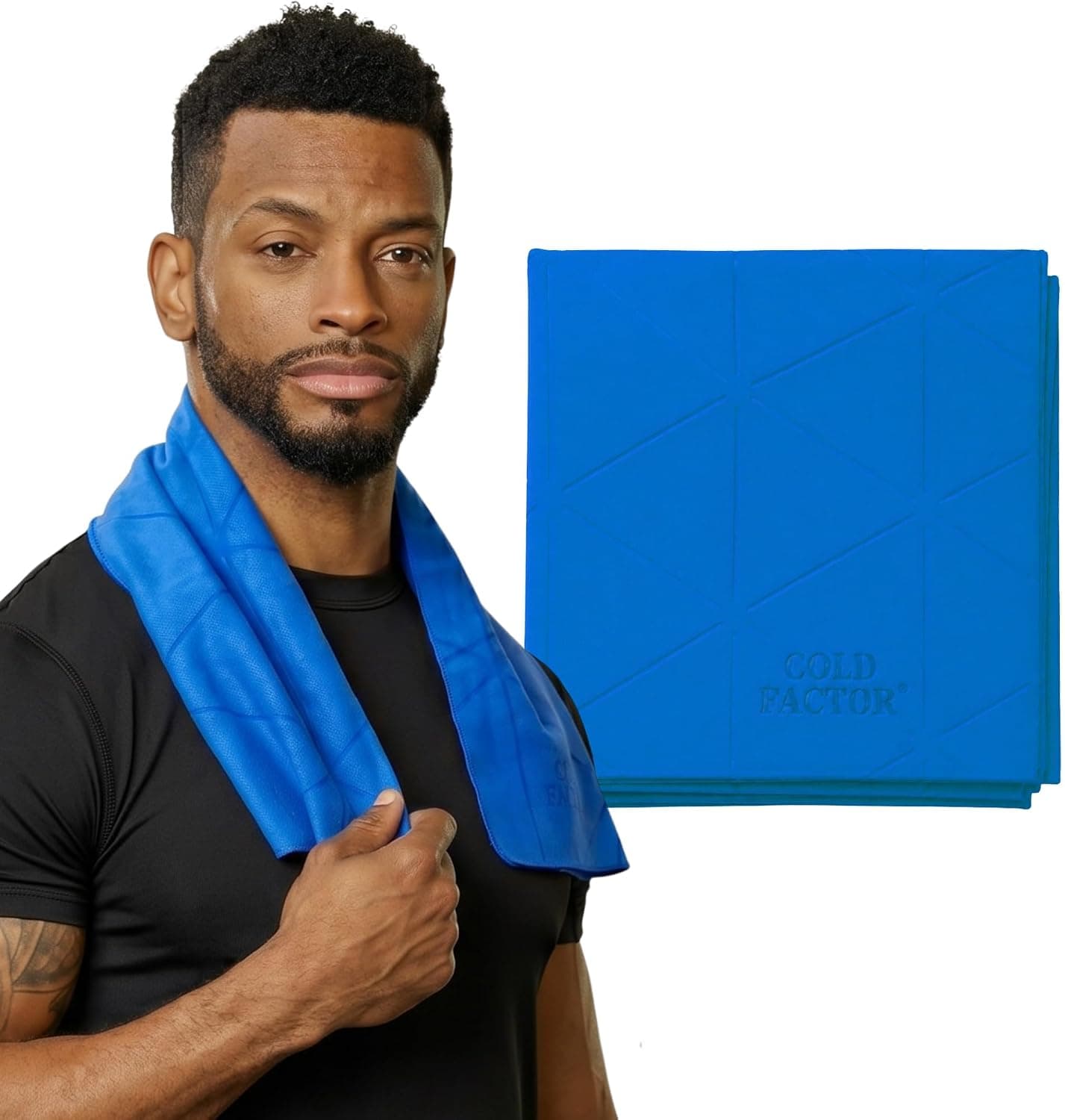
+ UPF 50+ rating shields the neck from sunburn as well as heat
From our guide: Best Pickleball Cooling Towels
Fabric is the foundation. Cotton feels soft but is the wrong choice for hot play because it absorbs sweat, holds it against your skin, and turns heavy and clingy. Instead, choose synthetic performance fabrics like polyester blends or moisture-wicking materials designed to pull sweat away from your body and let it evaporate. Evaporation is how your body actually cools itself, so clothing that speeds that process keeps your core temperature down. Look for shirts and shorts labeled moisture-wicking, quick-dry, or performance mesh.
Color and fit work together to manage heat. Light colors reflect sunlight while dark colors absorb it, so a white or pastel shirt will run noticeably cooler than a black one under direct sun. Fit should be relaxed rather than skin-tight; a slightly loose cut lets air circulate against your skin and helps sweat evaporate. This is one case where a looser, breathable shirt beats a compression top for comfort. Ventilated panels or mesh under the arms and across the back add airflow exactly where you sweat most.
Sun protection deserves real attention because you are exposed for the entire session. A wide-brim or billed hat shades your face and, importantly, keeps direct sun off the back of your neck. Polarized sunglasses cut glare off the court surface and help you track a fast ball. Look for clothing with a UPF rating, which measures how much ultraviolet radiation the fabric blocks, and apply a broad-spectrum, sweat-resistant sunscreen of at least SPF 30 to any exposed skin, reapplying every couple of hours. Sunburn does not just hurt; it also impairs your body's ability to cool itself.
Your feet and hands need heat-specific care too. Choose moisture-wicking athletic socks rather than cotton to reduce blisters, since damp skin blisters far more easily. Many players carry a spare shirt and an extra pair of socks to change into at the halfway point, which is a small luxury that resets your comfort completely. For your grip hand, sweat is the enemy of control, so a moisture-absorbing overgrip or a small towel clipped to your bag helps you keep hold of the paddle when your palms get slick.
Hydration is part of dressing for the heat even though it is not clothing. Start drinking water before you feel thirsty, because thirst is a late signal. For sessions over an hour in strong heat, add an electrolyte drink to replace the sodium and potassium you lose through sweat, since water alone can leave you feeling worse. Keep a bottle courtside and sip during every changeover rather than waiting for a big break. A frozen bottle or a small cooling towel around the neck during rests can bring your temperature down fast.
Finally, learn to read your body and adjust your schedule. The hottest part of the day is usually early to mid afternoon, so playing in the morning or evening dramatically lowers your heat load. Watch for warning signs in yourself and others: dizziness, nausea, stopping sweating, or confusion signal heat illness and mean it is time to stop, get to shade, and cool down immediately. Dressing well buys you comfort and time, but respecting the heat keeps you safe. Play smart, and hot-weather pickleball stays a pleasure rather than a risk.
Popular right now
- Pickleball Court Dimensions ChartArticle
- Indoor vs Outdoor Pickleball Balls ExplainedArticle
- Best Wooden Pickleball PaddlesBuying guide
- Two-bounce rule explainedGlossary
- Dink explainedGlossary
- How to Tell if Your Pickleball Paddle Is Dead or Worn OutArticle
Based on the last 28 days of search and visitor data.