How to Serve in Pickleball
Published How we research
The serve puts the ball in play and starts every point, and while it is not the weapon it is in tennis, a reliable, well-placed serve gives you a real edge. Because only the serving side can score in traditional play, keeping your serve consistent and legal is essential. Here is how to serve correctly and use it strategically.
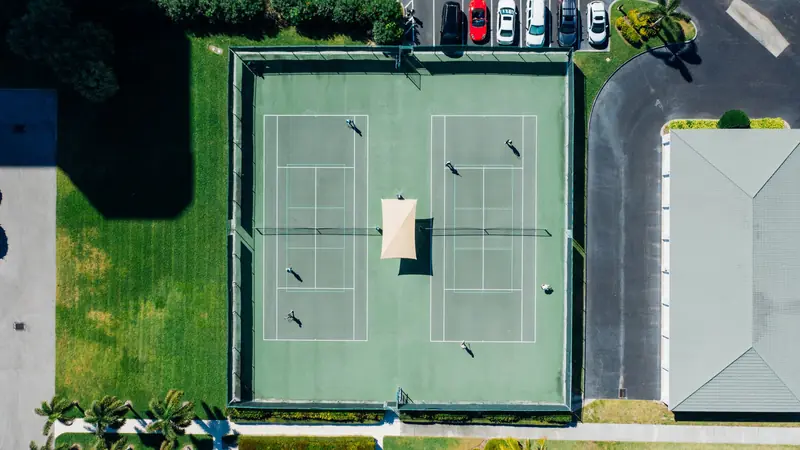
Start with the rules, because a legal serve is non-negotiable. The serve must be made underhand, with the paddle moving in an upward arc and contact with the ball below your waist. You serve from behind the baseline, and the ball must travel diagonally into the opposite service court, clearing the kitchen and its line. You get only one attempt, so consistency matters more than power.
The traditional volley serve is the most common technique. Hold the ball in your non-paddle hand, drop or toss it slightly, and swing the paddle up and forward to strike it out of the air below your waist. Keep your motion smooth and relaxed, use your legs and a small weight shift for power, and follow through toward your target. A compact, repeatable motion beats a big, wild swing every time.
The drop serve is a popular, legal alternative that many players find easier. You simply drop the ball from your hand, let it bounce once, and then hit it. Because the ball is falling naturally rather than being tossed, the drop serve removes some of the timing pressure and makes it easier to keep the motion legal. Beginners in particular often find the drop serve more forgiving.
Avoid the common faults that cost free points. Contacting the ball above the waist, using a sidearm or overhand motion, stepping on or over the baseline before contact, and serving into the net or the wrong box are all faults. The safest habit is to prioritize getting the serve in deep and legal, since an ace you cannot repeat is worth far less than a serve you can trust every time.
Once your serve is reliable, add strategy. Aim deep, toward the baseline, to push your opponent back and make their return more difficult. Vary your placement between their forehand and backhand, and target the weaker wing when you spot one. A deep serve buys your team time and keeps opponents from stepping in and attacking your return.
As you advance, you can experiment with pace, spin, and location to keep opponents guessing. A little added spin can make the ball curve or kick, and mixing up depth and angle prevents your opponent from settling into a rhythm. Just remember the golden rule of serving in pickleball: consistency comes first. A serve that lands in every single time, deep and to the right spot, does far more for your game than a flashy serve that misses under pressure.
Popular right now
- Pickleball Court Dimensions ChartArticle
- Indoor vs Outdoor Pickleball Balls ExplainedArticle
- Best Wooden Pickleball PaddlesBuying guide
- Two-bounce rule explainedGlossary
- Dink explainedGlossary
- How to Tell if Your Pickleball Paddle Is Dead or Worn OutArticle
Based on the last 28 days of search and visitor data.