How to Improve Your Pickleball Game
Published How we research
Improving at pickleball is less about hitting harder and more about playing smarter. Most players plateau not because they lack athleticism but because they neglect the small, high-leverage skills that decide points. Whether you are a fresh beginner or a solid intermediate, focusing on the right fundamentals will move your game forward faster than chasing flashy shots.
Products from this article
The highest-scoring picks from the buying guides this article links to. Scores are our editorial assessment, not customer ratings.
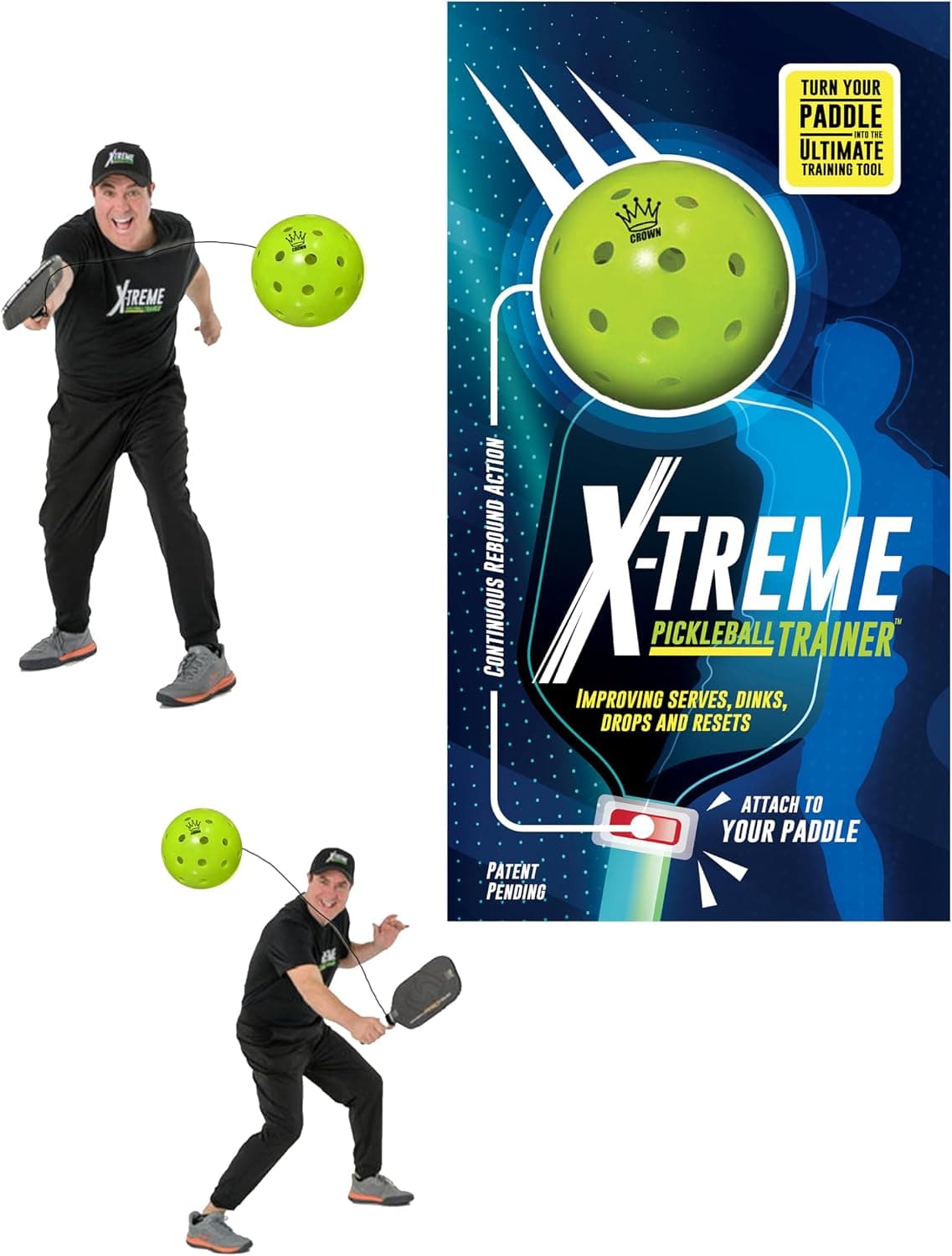
+ Portable rebounder lets you practice alone in a driveway or garage
From our guide: Best Pickleball Training Aids
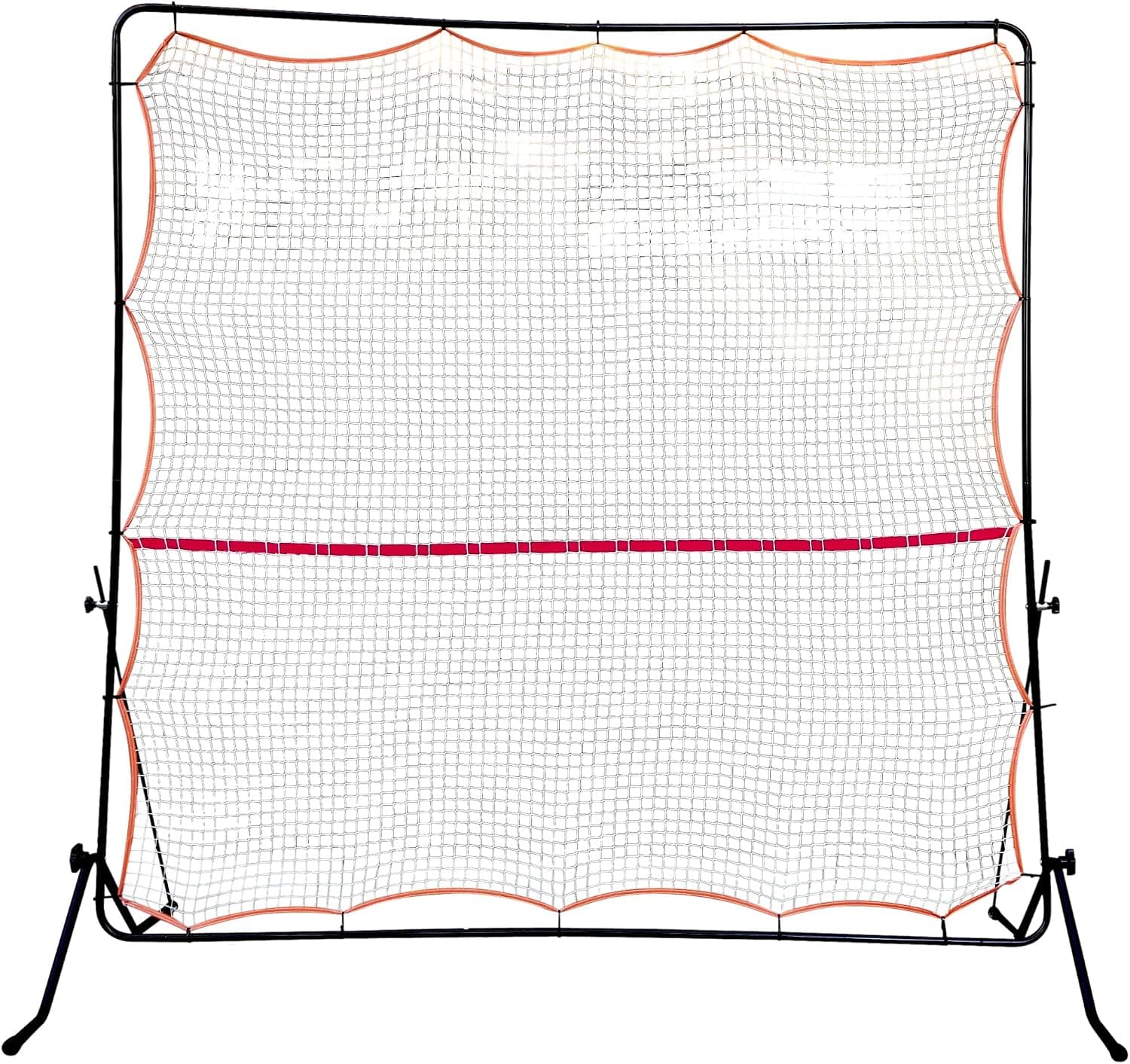
+ 7x7 ft frame gives a big target that returns most practice shots
From our guide: Best Pickleball Rebounders
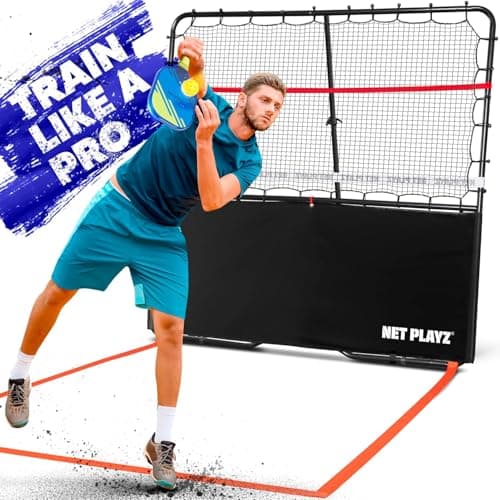
+ Fixed white webbing simulates a 3 ft net height, and an adjustable red webbing zone gives a target to aim at
From our guide: Best Pickleball Training Aids
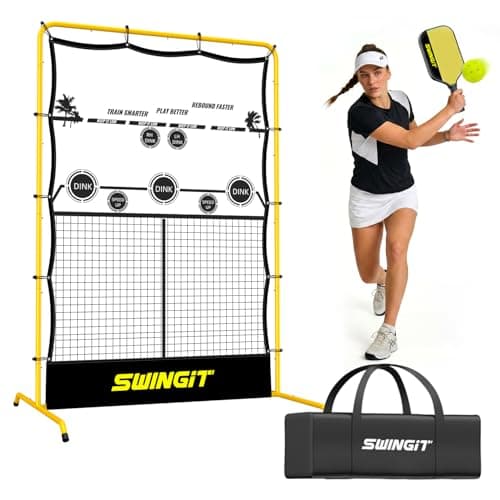
+ Full iron frame with a wide base is described as giving the rebounder strength and stability during solo drills
From our guide: Best Pickleball Training Aids
Start with footwork, because everything else depends on it. Good positioning means arriving at the ball early and balanced rather than lunging and reaching. Practice a ready position with your knees bent and weight forward, and use small shuffle steps to adjust rather than crossing your feet. Getting your body behind the ball turns rushed, error-prone swings into controlled, repeatable shots.
Next, fall in love with the dink. The soft game near the kitchen line is where most points are actually won at every level above pure beginner. A good dink drops just over the net and forces your opponent to hit up, giving you the chance to attack. Spend real practice time on controlled, low-arc dinks, and resist the urge to speed up the ball unless you have a clear opening.
Learn to reset under pressure instead of panicking. When opponents drive the ball at you, a soft reset that lands in the kitchen takes the pace off and buys you time to regain the net. This defensive skill separates intermediate players from advanced ones. Practice absorbing pace by relaxing your grip and letting the paddle give slightly at contact rather than swinging back hard.
Get to the kitchen line and stay there as a team. The pair that controls the non-volley zone controls the point. After returning a serve, move forward together as a unit so you do not leave gaps. Communicate with your partner constantly, call the middle balls, and avoid the classic mistake of standing back at the baseline where you are vulnerable to soft, angled shots.
Practice with intention rather than just playing endless games. Drilling specific shots, such as third-shot drops, dinks, and serves, builds muscle memory far faster than casual rallies. Even fifteen focused minutes of targeted drilling per session compounds quickly. If you can, find a practice partner or use a wall to groove your strokes between games.
Finally, sharpen the mental side of your game. Track the errors you make most often and address the biggest leak first, whether that is popping up dinks or serving into the net. Stay patient during rallies, since forcing low-percentage shots gives away free points. Watch better players, ask for feedback, and treat every session as a chance to improve one specific thing. Steady, deliberate work on fundamentals beats occasional bursts of effort every time, and the results will show up on the scoreboard.
Popular right now
- Pickleball Court Dimensions ChartArticle
- Indoor vs Outdoor Pickleball Balls ExplainedArticle
- Best Wooden Pickleball PaddlesBuying guide
- Two-bounce rule explainedGlossary
- Dink explainedGlossary
- How to Tell if Your Pickleball Paddle Is Dead or Worn OutArticle
Based on the last 28 days of search and visitor data.