How to Add Spin in Pickleball
Published How we research
Spin comes from brushing the paddle across the ball rather than hitting flatly through it, with technique mattering far more than equipment. Topspin, generated by swinging low to high, makes the ball dip into the court and kick forward after the bounce. Backspin, created by brushing down and forward with an open face, keeps shots low and slow, especially useful on returns and resets. Spin serves can curve or kick off the bounce to disrupt timing, and a touch of backspin on dinks helps them die quickly at the kitchen. Develop it through deliberate, patient practice. Adding spin to your pickleball shots opens up a whole new level of control and deception, letting you hit with more margin, sharper angles, and shots that dip or skid unexpectedly. Spin is not just for advanced players; even a little bit can make your groundstrokes more consistent and your serves harder to return. Here is how to develop it the right way.
Products from this article
The highest-scoring picks from the buying guides this article links to. Scores are our editorial assessment, not customer ratings.
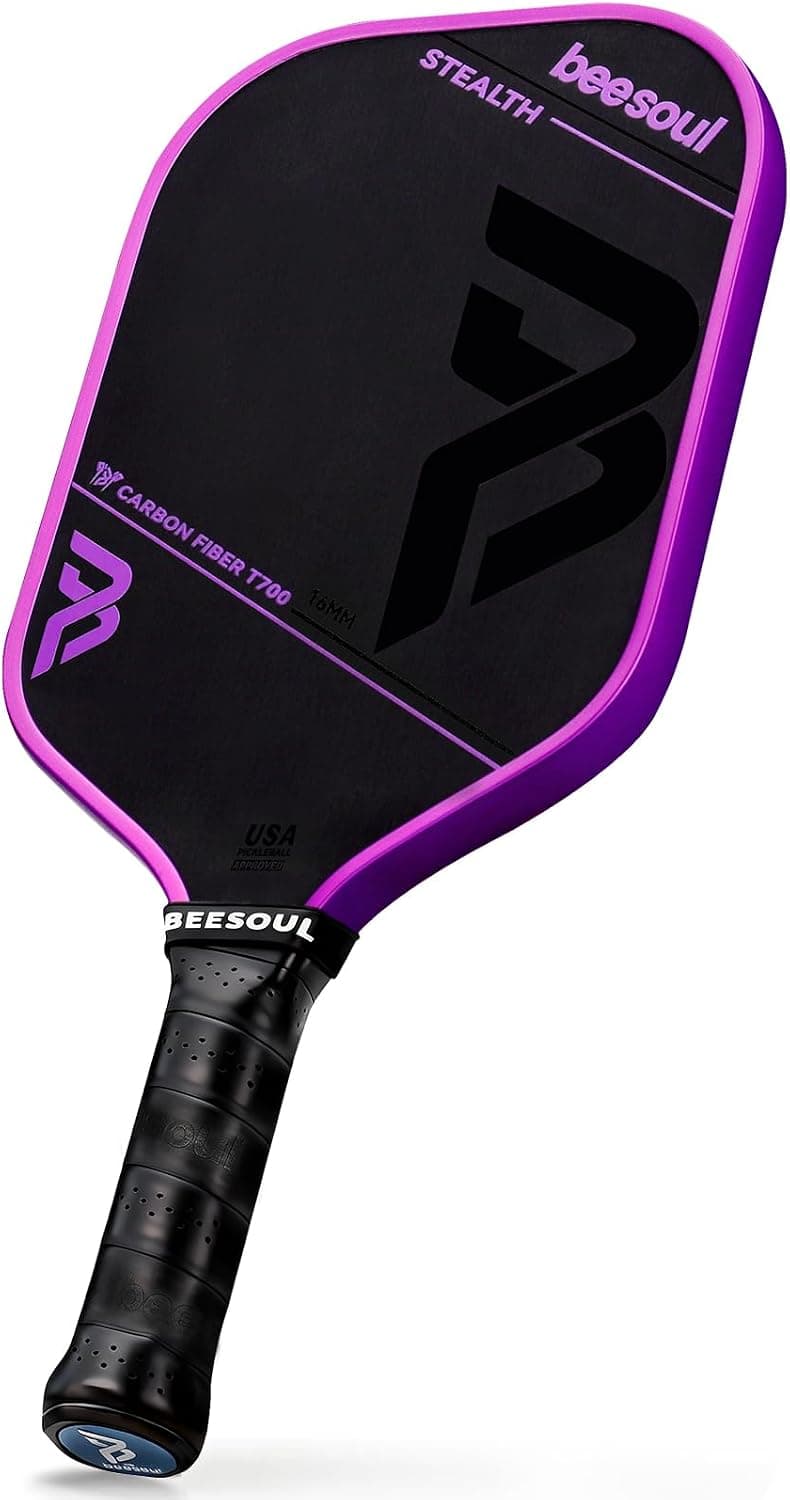
+ Raw T700 carbon offers high face friction for aggressive topspin
From our guide: Best Pickleball Paddles For Spin
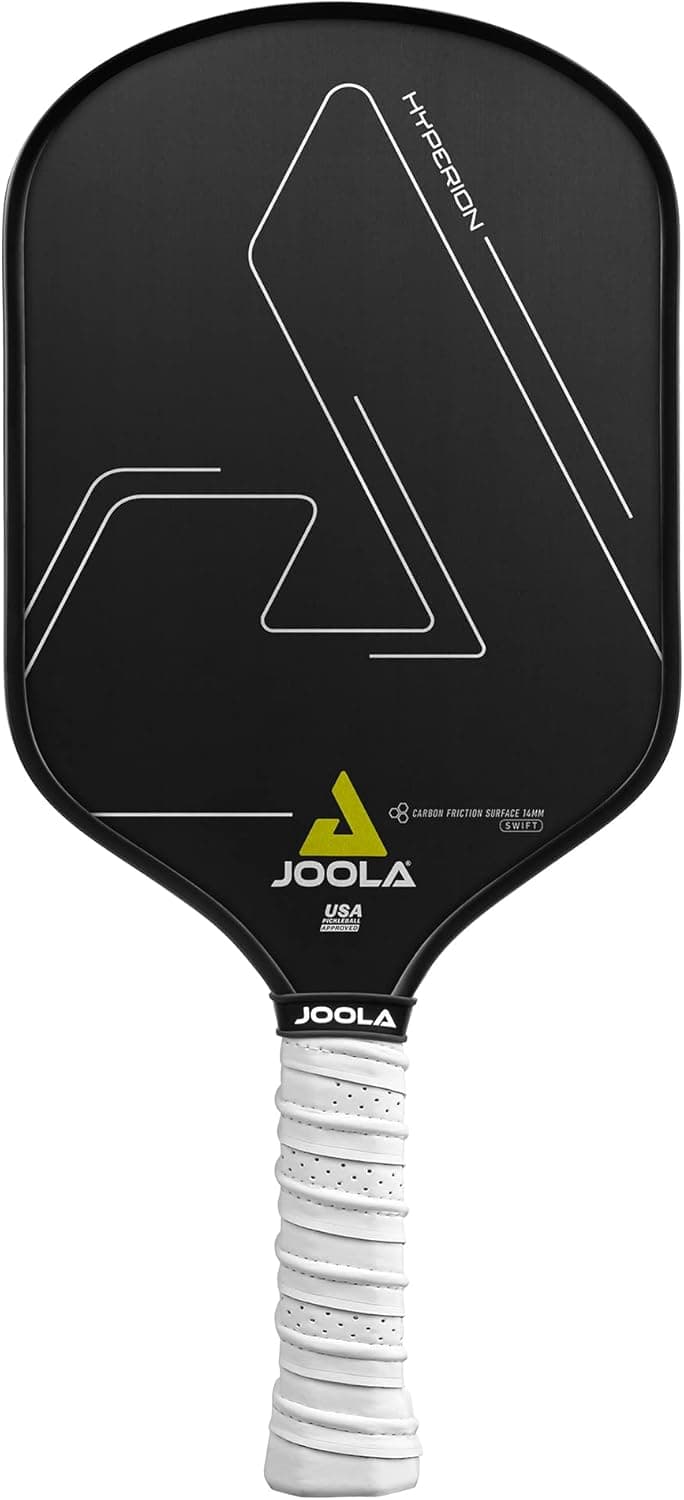
+ 14mm core gives a quicker, poppier response for drives and firefights at the net
From our guide: Best Pickleball Paddles
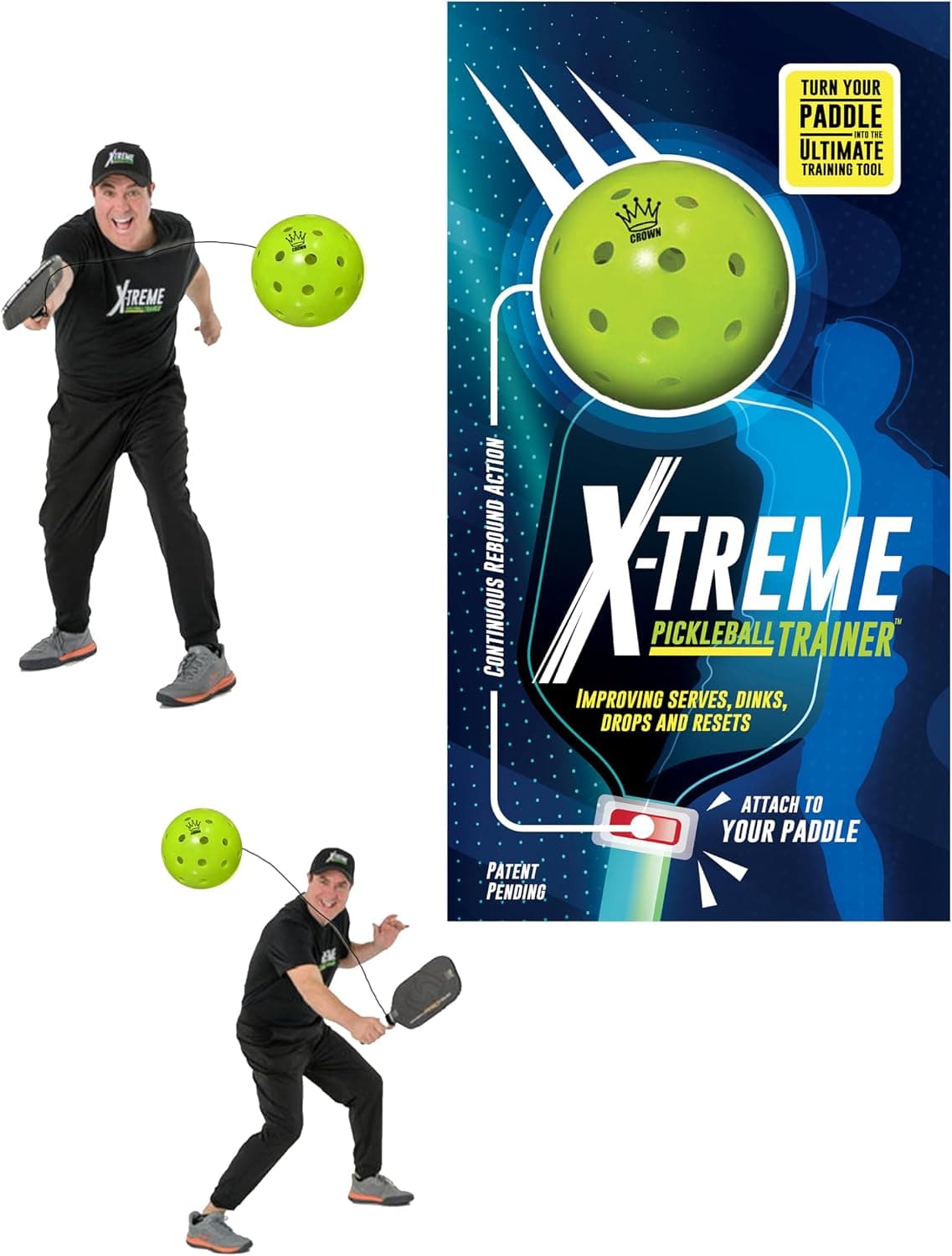
+ Portable rebounder lets you practice alone in a driveway or garage
From our guide: Best Pickleball Training Aids
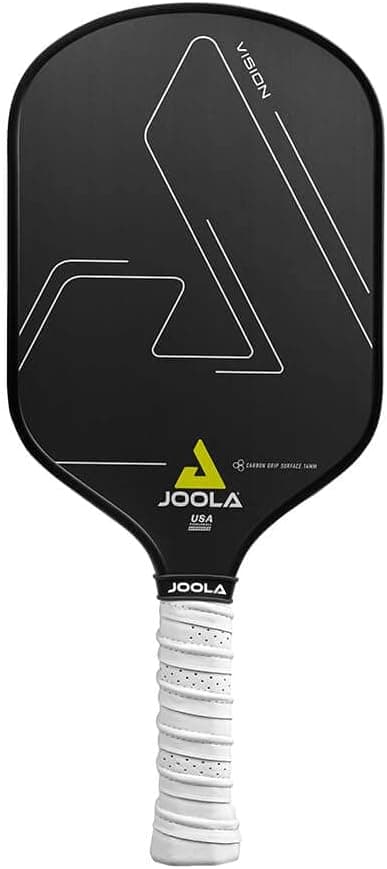
+ Textured carbon grip surface is designed to add rotation on serves and drops
From our guide: Best Pickleball Paddles For Spin
Spin comes from brushing, not hitting flat
Spin comes from brushing the paddle across the ball rather than hitting flatly through it. The angle and direction of that brushing motion determine the type of spin. A textured paddle surface, common on carbon and graphite faces, grips the ball and amplifies the effect, but technique matters far more than equipment. Focus on a relaxed grip and an accelerating swing that sweeps across the ball at contact.
Topspin: the shot for aggressive drives
Topspin is the most useful spin for aggressive baseline and drive shots. To generate it, swing from low to high, brushing up the back of the ball so it rotates forward. Topspin makes the ball dip down into the court, which means you can hit harder and still keep the shot in. It also causes the ball to kick forward after the bounce, rushing your opponent and forcing errors.
Backspin: keeping shots low and slow
Backspin, or slice, does the opposite by making the ball rotate backward. You create it by brushing down and forward under the ball with an open paddle face. Backspin keeps shots low and slow, and it makes the ball stay down or even check up after the bounce. This is especially valuable on returns and resets, where a low, floating slice is hard to attack.
Spin serves throw off your opponent's timing
Spin serves have become a powerful tool for players who master them. By brushing across or up the ball during a legal underhand serve, you can make it curve in the air or kick sharply off the bounce, throwing off your opponent's timing. Keep the motion legal, contacting the ball below the waist with an upward stroke, and practice consistency before chasing extreme spin, since an unpredictable serve helps no one if it lands out.
Spin transforms the soft game at the kitchen
Spin also transforms the soft game at the kitchen. Adding a touch of backspin to your dinks helps them stay low and die quickly, making them harder for opponents to attack out of the air. A gentle brushing motion on the ball, rather than a flat push, gives you more control over depth and bounce. Subtle spin on dinks is a hallmark of skilled players.
Developing spin takes deliberate practice
The key to developing spin is deliberate practice and patience. Start slowly, exaggerate the brushing motion so you can feel the ball grip the paddle, then gradually add pace while keeping the spin. Film yourself or drill with a partner to check your swing path. As your feel improves, spin will become a natural part of your game, giving you more margin for error and more ways to keep opponents guessing.
Frequently asked questions
How do you generate topspin in pickleball? Swing from low to high, brushing up the back of the ball so it rotates forward. This makes the ball dip into the court and kick forward after the bounce.
What is backspin used for in pickleball? Backspin, created by brushing down and forward under the ball with an open paddle face, keeps shots low and slow, which is especially valuable on returns and resets.
Does paddle surface affect spin? A textured surface, common on carbon and graphite faces, grips the ball and amplifies spin, but technique, especially a relaxed grip and accelerating brushing swing, matters far more than equipment.
How do I add spin to my serve legally? Brush across or up the ball during a legal underhand serve, contacting the ball below the waist with an upward stroke, and prioritize consistency before chasing extreme spin.
Popular right now
- Pickleball Court Dimensions ChartArticle
- Indoor vs Outdoor Pickleball Balls ExplainedArticle
- Best Wooden Pickleball PaddlesBuying guide
- Two-bounce rule explainedGlossary
- Dink explainedGlossary
- How to Tell if Your Pickleball Paddle Is Dead or Worn OutArticle
Based on the last 28 days of search and visitor data.