Caring for Your Pickleball Paddle So It Lasts
Published How we research
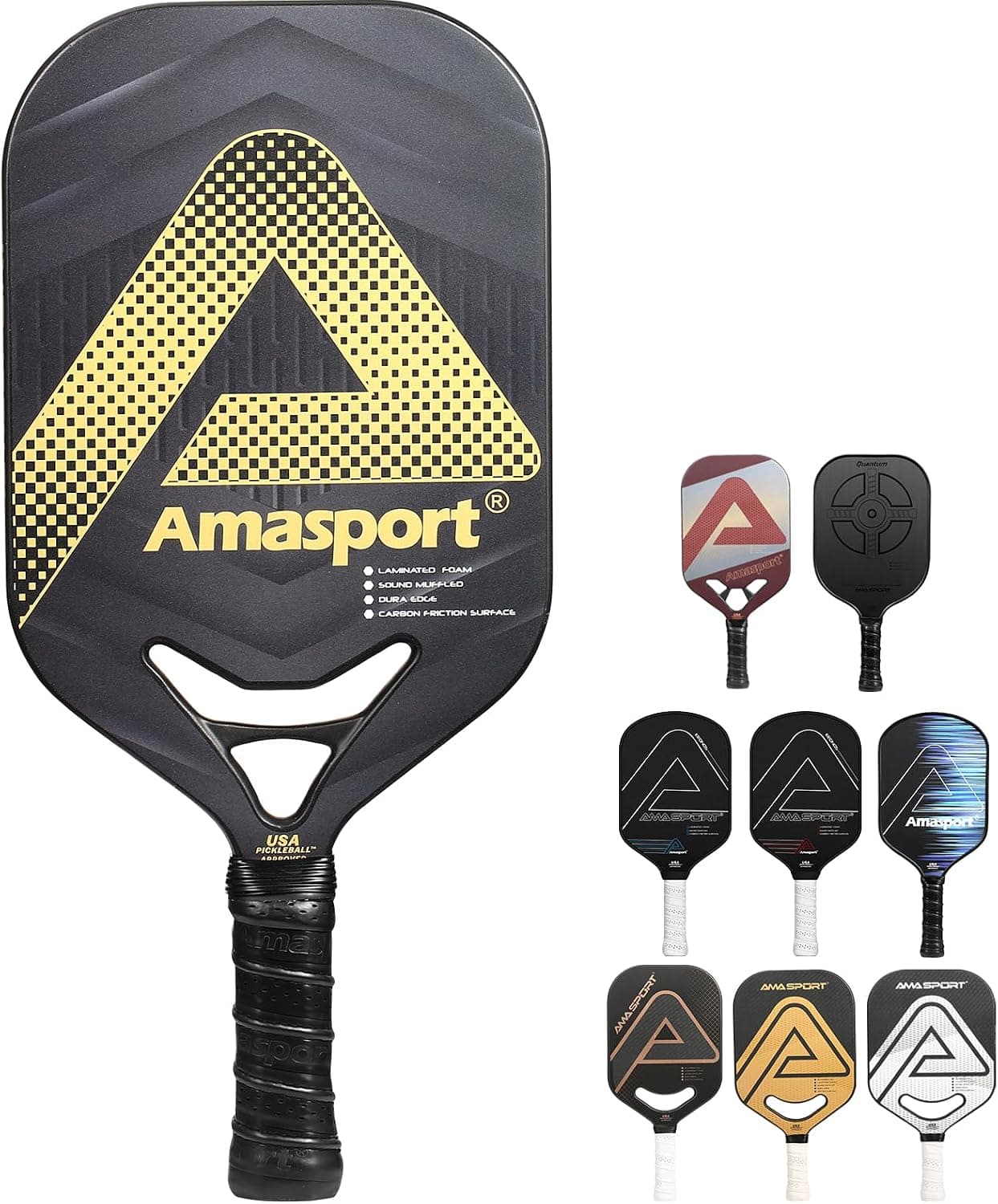
A good paddle is an investment, and how you treat it between games determines whether it plays like new for two years or fades in a few months. Paddles are surprisingly sensitive to heat, moisture, and impact, yet most players toss them in a hot car and never wipe them down. A little routine care preserves the surface texture that gives you spin, protects the core that gives you power, and keeps the grip comfortable, all of which directly affect how well you play.
Products from this article
The highest-scoring picks from the buying guides this article links to. Scores are our editorial assessment, not customer ratings.
+ 14mm core gives a quicker, poppier response for drives and firefights at the net
From our guide: Best Pickleball Paddles
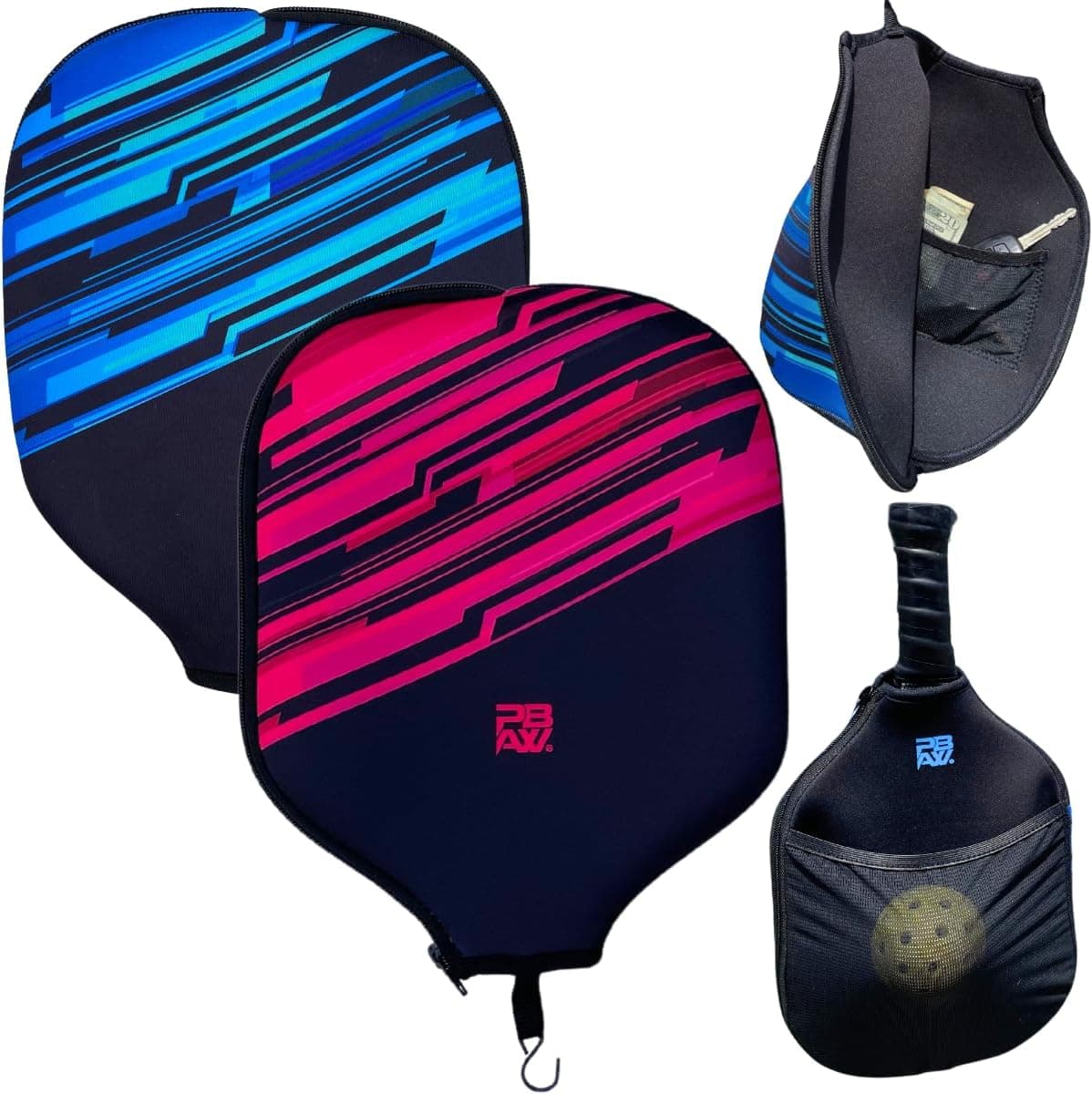
+ 2-pack protects a main paddle and a backup or a partner's paddle
From our guide: Best Pickleball Paddle Covers
+ Raw T700 carbon offers high face friction for aggressive topspin
From our guide: Best Pickleball Paddles For Spin
+ 16mm core soaks up pace, which helps with blocks and drop shots from the transition zone
From our guide: Best Pickleball Paddles
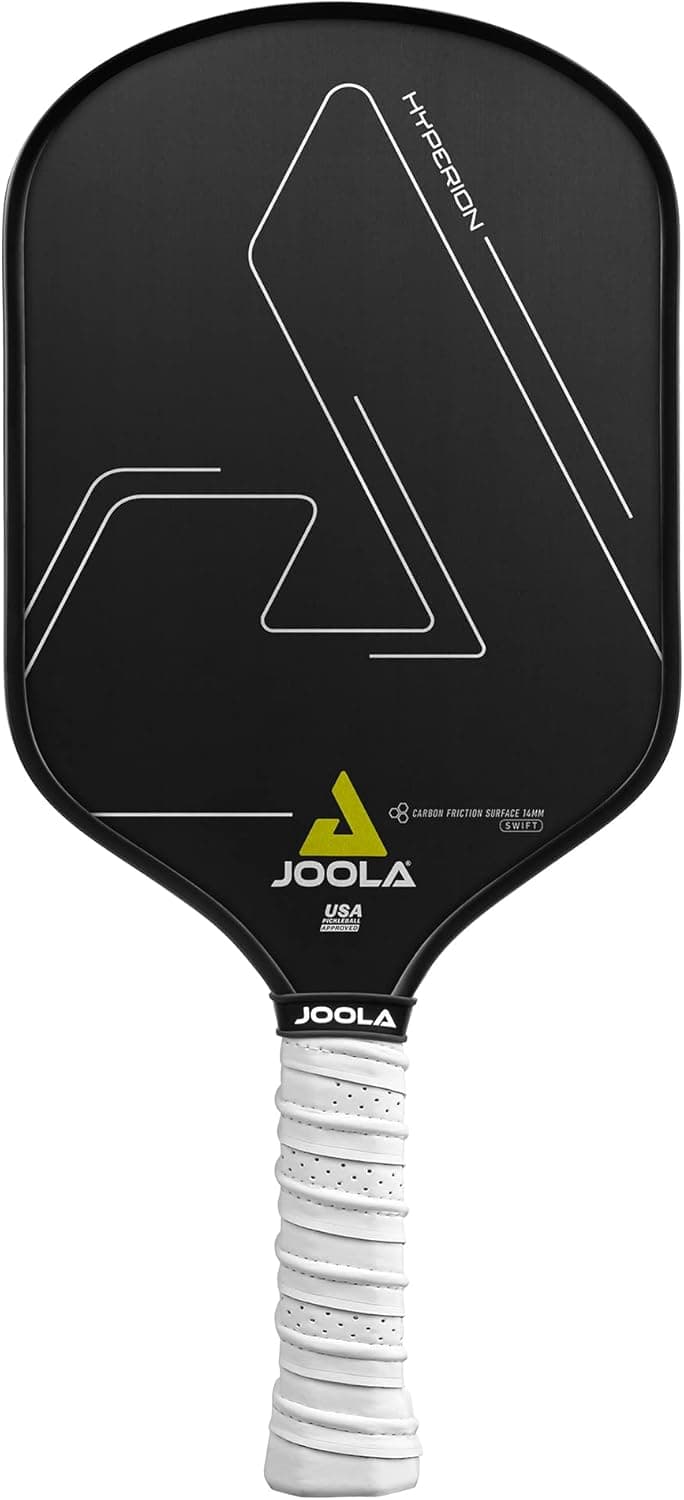
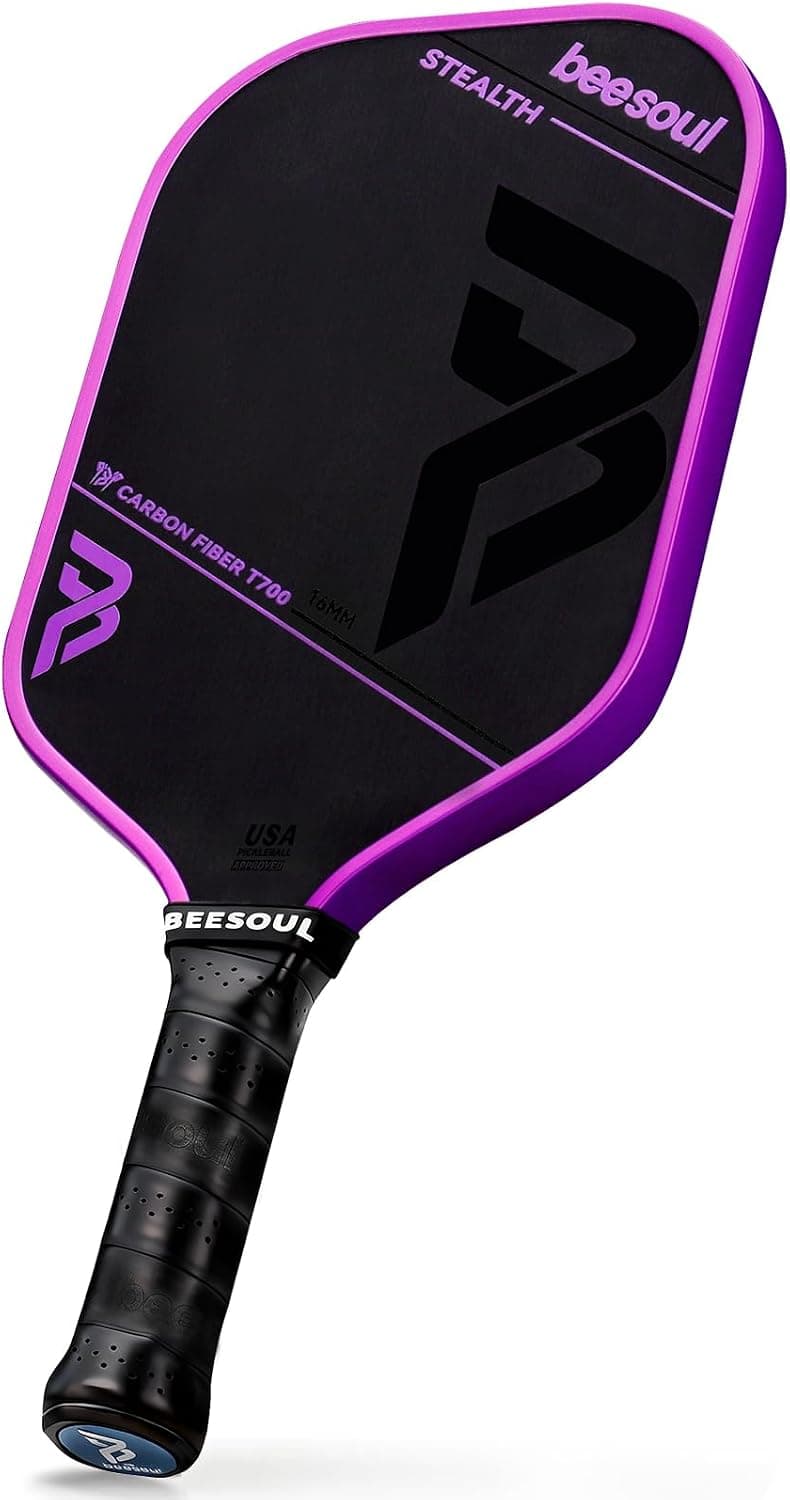
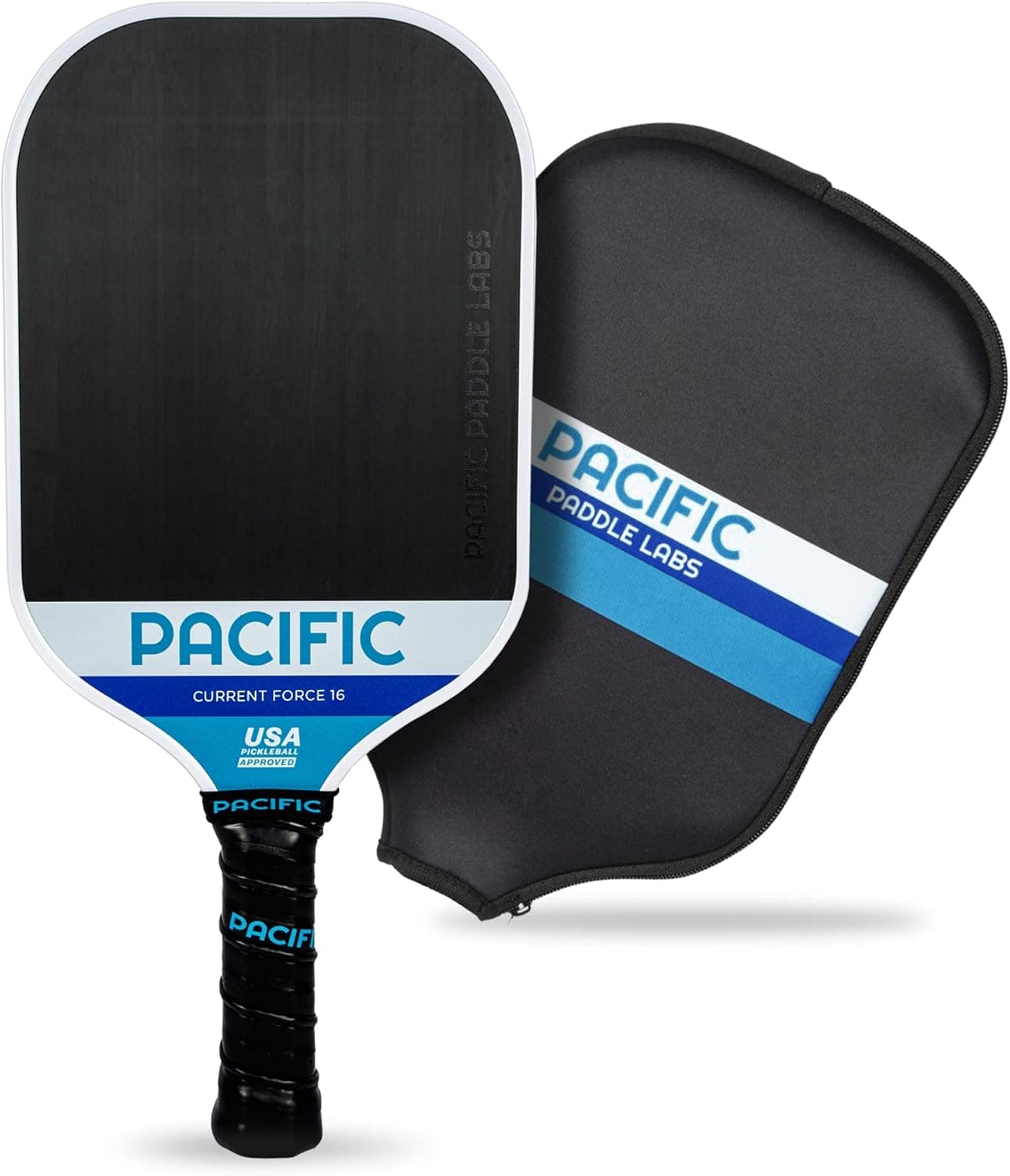
Start with the playing surface, because it does the most work and shows wear first. During and after play, the face picks up dirt, ball residue, and skin oils that reduce the texture's grip on the ball, which matters especially for spin-oriented raw carbon faces. Wipe the face regularly with a damp microfiber cloth, and for stubborn grime use a little water or a dedicated paddle cleaning solution rather than harsh chemicals. Some players use a slightly damp eraser sponge on raw carbon to lift residue, but avoid anything abrasive that could grind down the texture you are trying to preserve.
Heat is the enemy that ruins more paddles than play ever does. Polymer cores and the adhesives holding a paddle together soften and warp when exposed to high temperatures, and the inside of a car on a warm day easily reaches levels that permanently damage a paddle. A warped or delaminated paddle develops dead spots and an inconsistent bounce that no cleaning can fix. Never leave your paddle in a hot car, a sunny windowsill, or a closed trunk, and when playing in strong sun, keep it in a bag or shaded spot between games.
Moisture and cold require care too. A wet paddle should be dried before it goes into a bag, because trapped moisture can seep into the edge guard and core over time and degrade the adhesives. In cold weather the core and face become more brittle, so let a cold paddle warm up gradually rather than smacking hard shots with it straight out of a freezing car, which can lead to cracks. Treating the paddle gently through temperature extremes keeps its structure sound.
The edge guard and grip need attention as well. The edge guard absorbs the impact of accidental scrapes on the court and clashes with a partner's paddle, and while it is designed to take abuse, a lifting or damaged edge guard should be resecured or repaired before moisture gets underneath. The grip wears out faster than any other part, becoming slick and hard as it absorbs sweat. Replacing a worn overgrip is cheap and restores comfort and control instantly, so keep a spare and swap it when it feels slippery or thin.
Storage between sessions is simple but important. Keep your paddle in a protective case or the padded sleeve of your bag rather than loose where it can get knocked, scratched, or crushed. Store it flat or standing in a cool, dry place at room temperature, away from radiators, sunny windows, and damp basements. If you own several paddles, rotating them spreads out the wear so no single one breaks down prematurely, though most players have a clear favorite anyway.
Finally, learn to recognize when a paddle is done. Even with perfect care, cores eventually break down from thousands of impacts, and the signs are a paddle that suddenly feels dead, sounds different, buzzes or rattles, or has visibly delaminated. Raw carbon faces also lose spin as their texture smooths with use, which is normal aging rather than damage. Good care will not make a paddle last forever, but it easily doubles the useful life of a well-made one, protects the performance you paid for, and saves you money over time. A clean, cool, well-stored paddle simply plays better for longer.
Popular right now
- Pickleball Court Dimensions ChartArticle
- Indoor vs Outdoor Pickleball Balls ExplainedArticle
- Best Wooden Pickleball PaddlesBuying guide
- Two-bounce rule explainedGlossary
- Dink explainedGlossary
- How to Tell if Your Pickleball Paddle Is Dead or Worn OutArticle
Based on the last 28 days of search and visitor data.