Building a Home Pickleball Court
Published How we research
A regulation court is 20 by 44 feet, but plan for a total footprint of at least 30 by 60 feet to allow safe run-off space. Concrete is the gold standard playing surface for durability and true bounce, though asphalt or modular sport tiles over an existing slab are lower-cost alternatives. Add a net at regulation height (36 inches at the sidelines, 34 in the center) and painted or pre-marked lines. Perimeter fencing, lighting, and good drainage improve day-to-day usability. Budget honestly, get multiple quotes, and check local zoning and HOA rules before starting. Building a pickleball court at home is a dream for many enthusiasts, and with the right planning it is an achievable project that pays off in years of convenient play. Before you break ground, it helps to understand the space, dimensions, surface options, and budget considerations involved. This guide walks through the key decisions so you can plan realistically.
Products from this article
The highest-scoring picks from the buying guides this article links to. Scores are our editorial assessment, not customer ratings.
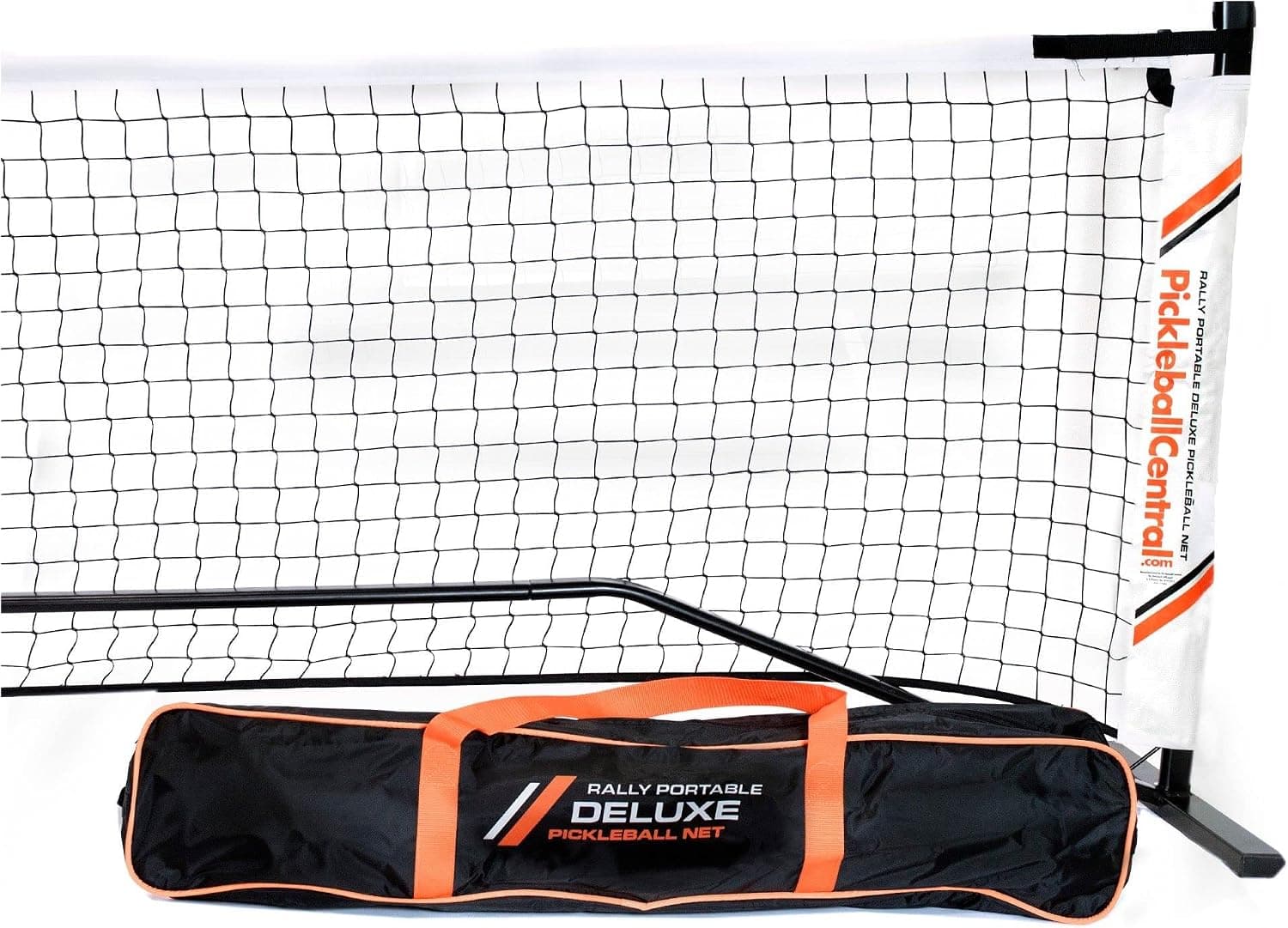
+ 2-in-1 design switches between full games and solo practice
From our guide: Best Pickleball Practice Nets
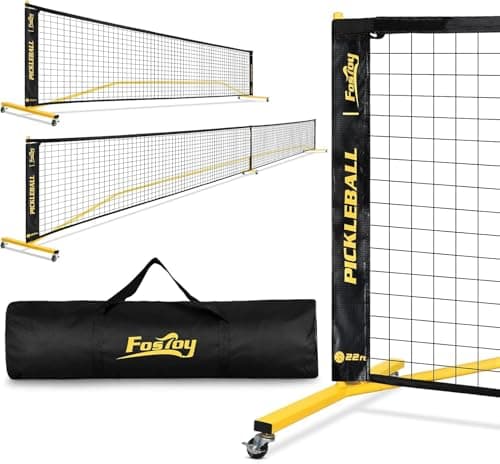
+ The 11 ft half-court setup suits driveways and garages where a full 22 ft net will not fit
From our guide: Best Pickleball Practice Nets
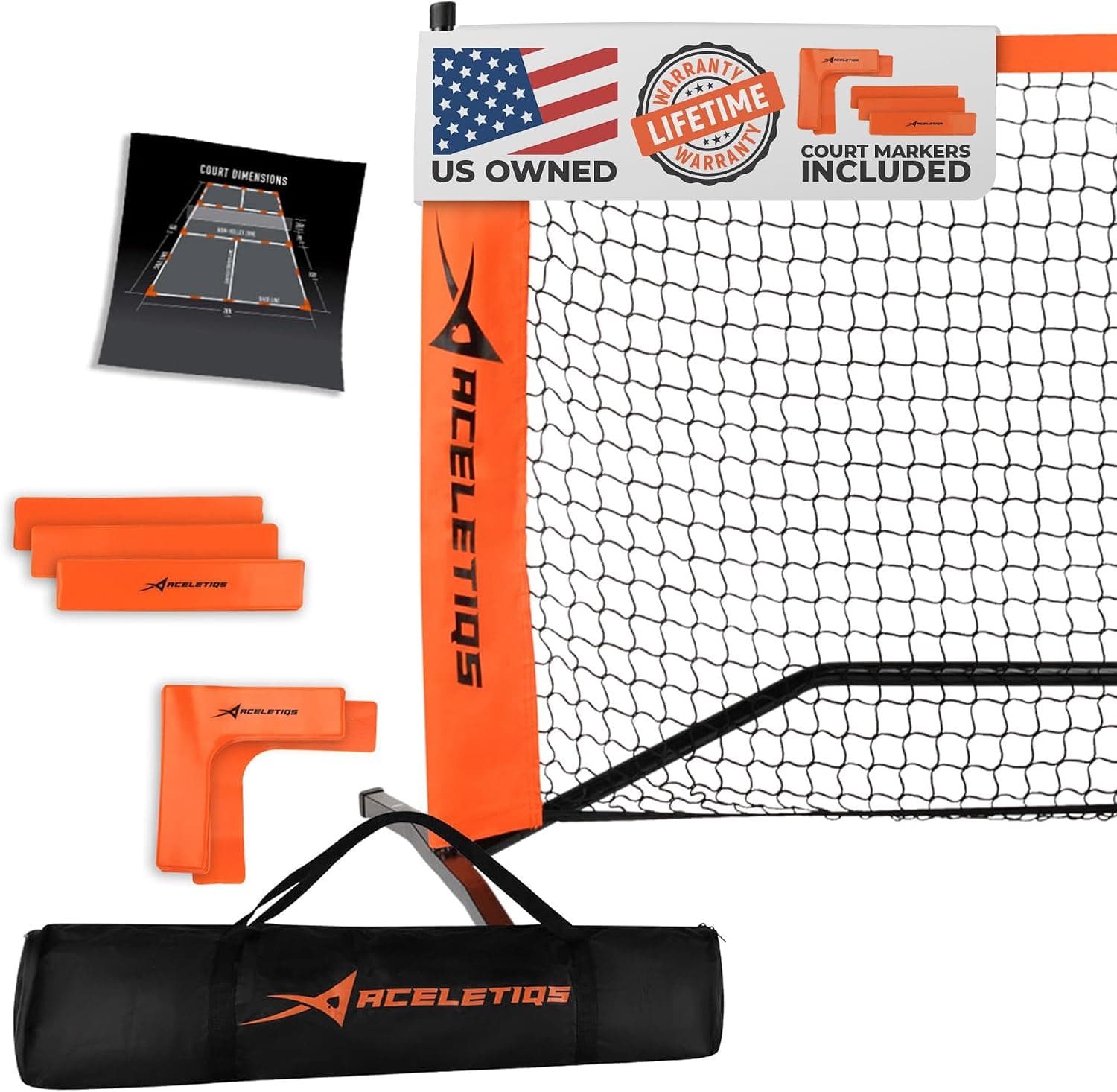
+ Floor markers help outline a court on surfaces without lines
From our guide: Best Pickleball Practice Nets
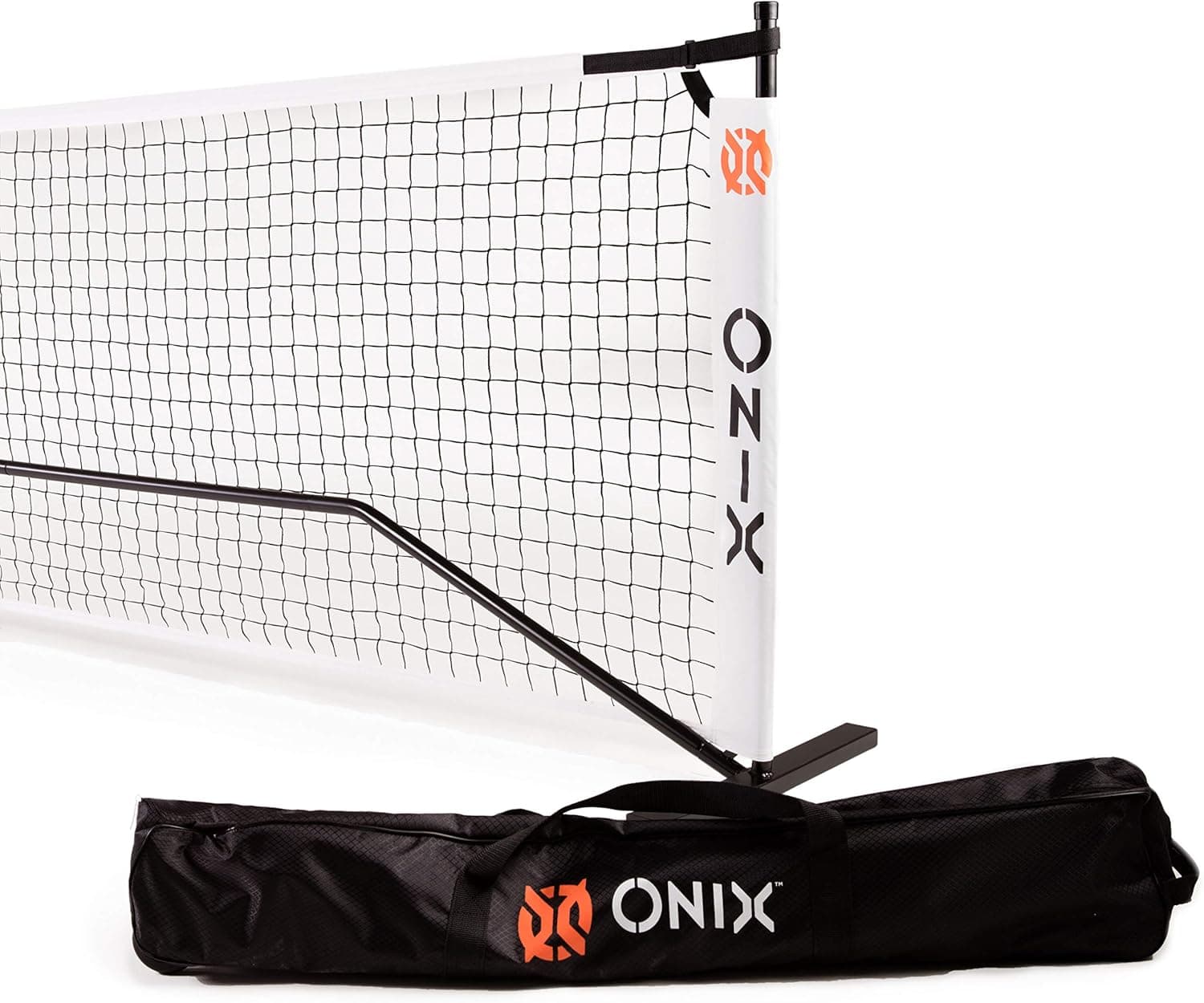
+ Regulation 22 ft length, stated to follow official USA Pickleball net standards for competitive play
From our guide: Best Pickleball Practice Nets
Start with space and dimensions
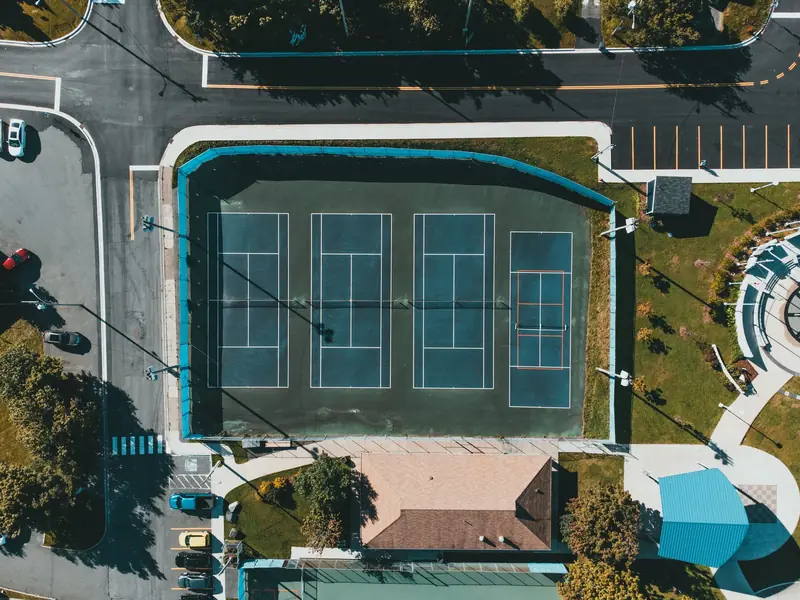
Start with space and dimensions. The court itself measures twenty feet wide by forty-four feet long, but you need considerably more room around it for safe movement. A commonly recommended total footprint is at least thirty feet by sixty feet, which provides run-off space behind the baselines and beside the sidelines. Measure your yard carefully and account for slope, drainage, and any obstacles like trees or fences before committing.
The playing surface drives cost and quality
The playing surface is the heart of the project and the biggest driver of both cost and quality. Concrete is the gold standard because it is durable, stable, and provides a true bounce, though it requires professional installation and proper drainage. Asphalt is a lower-cost alternative but can crack and soften over time. On top of the base, an acrylic sport coating adds grip, color, and weather resistance while defining the surface players actually feel.
Surface options for smaller budgets
Surface options for smaller budgets exist too. Modular sport tiles that snap together over an existing concrete slab or patio are popular for home use because they install without heavy construction, drain well, and are easy on the joints. If you already have a flat, solid surface such as a driveway or an old tennis or sport court, you may be able to convert it with tiles or coating rather than pouring new concrete.
The net and lines complete the court
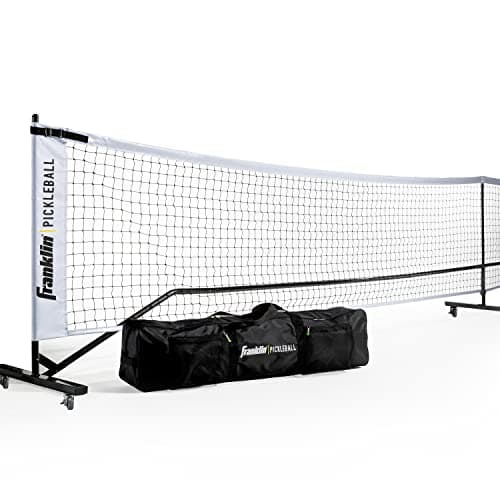
The net and lines complete the playing area. You can choose a permanent net system anchored into the ground for a finished look, or a portable net that lets you reclaim the space for other uses. Regulation net height is thirty-six inches at the sidelines and thirty-four inches in the center. Lines can be painted directly onto a coated surface or come pre-marked with tile systems; precise, straight lines make the court feel professional.
Extras that make a court more usable
Consider the extras that make a home court more usable and enjoyable. Perimeter fencing keeps balls contained and is a worthwhile investment, especially near neighbors or slopes. Lighting extends play into the evening, landscaping and windscreens improve comfort, and good drainage prevents standing water that shortens the life of your surface. These additions raise the cost but greatly improve the day-to-day experience.
Budget honestly and check local rules
Finally, budget honestly and plan for the long term. Costs vary widely depending on whether you are coating an existing slab or building from scratch, the surface you choose, and regional labor prices, so gather multiple quotes and factor in permits and site preparation. Check local zoning rules and any homeowners association guidelines before starting. A well-planned home court is a significant project, but for a dedicated player it turns everyday convenience and endless games into a lasting investment.
Frequently asked questions
How much space do I need for a home pickleball court? The court itself is 20 by 44 feet, but a total footprint of at least 30 by 60 feet is recommended to provide safe run-off space behind the baselines and beside the sidelines.
What is the best surface for a home pickleball court? Concrete is the gold standard for durability and a true bounce, topped with an acrylic sport coating for grip, color, and weather resistance. Modular sport tiles are a lower-cost option over an existing slab.
What height should a pickleball net be? Regulation height is 36 inches at the sidelines and 34 inches in the center.
What should I check before building a home pickleball court? Measure your yard for slope, drainage, and obstacles, get multiple quotes since costs vary widely, and check local zoning rules and any homeowners association guidelines first.
Popular right now
- Pickleball Court Dimensions ChartArticle
- Indoor vs Outdoor Pickleball Balls ExplainedArticle
- Best Wooden Pickleball PaddlesBuying guide
- Two-bounce rule explainedGlossary
- Dink explainedGlossary
- How to Tell if Your Pickleball Paddle Is Dead or Worn OutArticle
Based on the last 28 days of search and visitor data.